

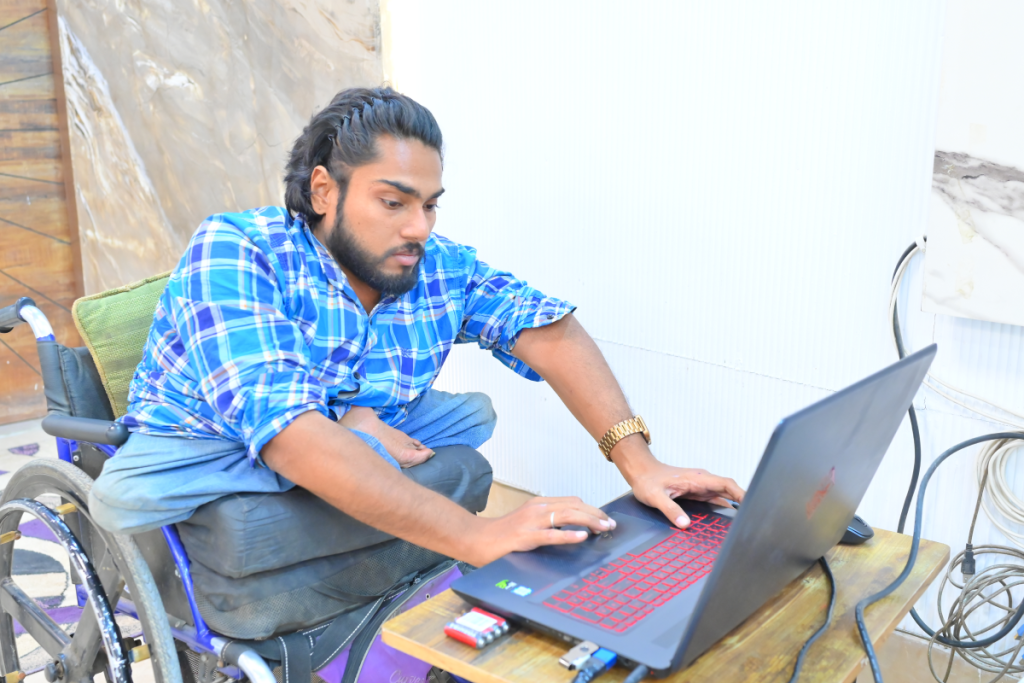
In today’s digital era, access to technology is a gateway to education, employment, and social participation. Leading top NGOs in Pakistan are championing initiatives that promote inclusive IT disabled programs, ensuring that persons with disabilities can thrive in the digital economy. By providing training, accessible tools, and remote work opportunities, these organizations empower individuals to bridge the digital divide and achieve meaningful professional growth.
Inclusive IT initiatives are not merely about skill acquisition; they are about creating equitable access to opportunity and fostering independence.
The Importance of Digital Inclusion
Digital inclusion ensures that persons with disabilities can access, use, and benefit from technology on equal footing. Without inclusive programs, PWDs risk being marginalized in an increasingly digital world.
Key elements of Inclusive IT Disabled initiatives include:
- Access to assistive technologies such as screen readers, speech-to-text software, and adaptive keyboards
- Online education platforms tailored for different abilities
- Awareness campaigns highlighting the importance of digital participation
- Support for connectivity in remote and underserved regions
Through digital inclusion, top NGOs in Pakistan are helping participants gain the confidence, knowledge, and tools necessary to participate fully in modern society.
IT Training Programs
Structured training is essential for meaningful engagement in the IT sector. Programs designed by top NGOs in Pakistan focus on practical skills that enhance employability.
Training areas often cover:
- Basic computer literacy
- Data entry and database management
- Web design and development
- Coding and software programming
- Digital communication tools
These programs integrate inclusive IT disabled practices, ensuring that the curriculum and teaching methods are accessible to all participants. Adaptive technologies, visual aids, and personalized support help learners overcome challenges and achieve competency.
Remote Employment Pathways
One of the most powerful outcomes of IT training is access to remote and freelance work. Digital careers provide flexibility and accessibility that traditional employment may not.
Opportunities include:
- Online customer support
- Freelance graphic design and content writing
- Software development and web programming
- Virtual tutoring or consultancy
- Remote administrative support
By connecting participants to employers and digital platforms, top NGOs in Pakistan ensure that inclusive IT disabled programs translate into tangible employment outcomes. Remote work also allows individuals to overcome mobility barriers and work from home environments.
Technology Accessibility Tools
Inclusive IT programs rely on adaptive technology to level the playing field. Tools provided or recommended by top NGOs in Pakistan include:
- Screen readers and magnification software
- Voice recognition and speech-to-text systems
- Ergonomic keyboards and adaptive input devices
- Accessible project management and collaboration platforms
- Customized learning management systems
These tools allow participants to engage fully with digital content and perform work tasks independently. Inclusive IT Disabled initiatives often provide ongoing technical support to ensure that participants remain confident and productive.
Building Confidence and Professional Networks
Beyond technical skills, inclusive IT programs emphasize social and professional development. Peer mentoring, group projects, and networking sessions help participants expand their professional circles.
Benefits include:
- Greater self-confidence and independence
- Opportunities to showcase talent
- Mentorship and guidance from experienced professionals
- Development of problem-solving and collaboration skills
- Integration into professional communities
When combined with practical training and technology access, these programs enable Inclusive IT Disabled participants to transition into sustainable careers successfully.
Monitoring Progress and Outcomes
To ensure effectiveness, top NGOs in Pakistan track participant progress through structured monitoring and evaluation. Key metrics include:
- Skill proficiency assessments
- Employment placement rates
- Retention in remote work programs
- Participant feedback and satisfaction
- Long-term career growth tracking
Continuous monitoring ensures that training remains relevant, accessible, and aligned with the needs of the participants.
Partnerships and Collaborative Efforts
Inclusive IT initiatives are strengthened through collaboration with multiple stakeholders:
- Technology companies providing adaptive software
- Educational institutions offering digital curricula
- Employers supporting remote work opportunities
- Government agencies promoting digital accessibility policies
These partnerships help scale Inclusive IT Disabled programs and maximize their impact, ensuring that resources reach individuals who need them most.
Long-Term Impact on Individuals and Communities
Inclusive IT programs contribute to personal growth and broader societal benefits:
- Enhanced independence and financial empowerment
- Improved employability and career prospects
- Greater social participation and visibility
- Reduced digital inequality
- Promotion of inclusive digital policies
By equipping individuals with technology skills, top NGOs in Pakistan foster both personal development and community-wide digital inclusion.
Conclusion
Inclusive IT Disabled programs demonstrate how access to technology can transform lives. By combining training, adaptive tools, and remote work opportunities, top NGOs in Pakistan enable persons with disabilities to achieve independence, economic empowerment, and social participation.
The impact extends beyond individuals, fostering inclusive communities where disability is seen as diversity, not limitation. Investing in technology-based inclusion ensures that no one is left behind in the digital age.




Leave a Reply