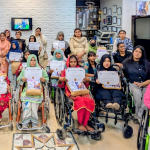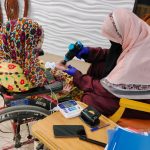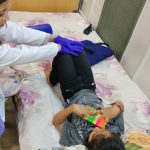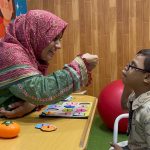


Across Pakistan, humanitarian efforts have long focused on addressing urgent needs: healthcare, education, and social support. Over time, this work has expanded to include a deeper, more lasting goal, ensuring that every individual is treated with fairness and has access to equal opportunities. A humanitarian NGO in Pakistan today is not only providing services but also raising its voice for those who are often unheard.
One of the most important areas of this work is disability advocacy. It focuses on protecting rights, promoting inclusion, and ensuring that persons with disabilities (PWDs) are able to participate fully in society.
Organizations like the Pakistan Independent Living Centre (PILC) are actively contributing to this movement, combining community programs with advocacy efforts to build awareness, influence systems, and support individuals in meaningful ways.
Role of Humanitarian NGOs in Pakistan
A humanitarian NGO in Pakistan operates with a clear purpose: to support individuals and communities in ways that improve quality of life and promote dignity. For persons with disabilities, this role becomes even more significant.
These organizations work across multiple areas:
- Access to Services: Education, healthcare, and rehabilitation support
- Community Engagement: Creating inclusive environments through awareness programs
- Emergency Support: Providing assistance during crises, ensuring no one is left behind
- Advocacy Efforts: Raising awareness about rights and pushing for systemic improvements
Through these combined efforts, a humanitarian NGO in Pakistan helps shift the focus from charity to empowerment, ensuring that individuals are not just supported but included.
What is Disability Advocacy?
Disability advocacy is the process of promoting and protecting the rights of persons with disabilities. It ensures that individuals are treated fairly, have equal access to opportunities, and are able to make decisions about their own lives.
Advocacy can take many forms:
- Raising Awareness: Educating communities about disability inclusion
- Policy Engagement: Working with institutions to improve laws and regulations
- Individual Support: Helping individuals understand and claim their rights
- Public Campaigns: Encouraging societal change through media and outreach
The goal of disability advocacy is not only to remove barriers but also to change how society views disability, moving from limitation to potential.
Rights Awareness & Legal Support
A key part of disability advocacy is ensuring that individuals are aware of their rights and have access to support when those rights are not respected.
This includes:
1. Awareness Programs
Workshops and sessions that explain rights related to education, employment, accessibility, and social participation.
2. Legal Guidance
Helping individuals understand legal processes and access support when facing discrimination or exclusion.
3. Documentation Support
Assisting individuals in obtaining disability certificates and other necessary documents that enable access to services.
4. Policy Awareness
Informing communities about national and local policies that support inclusion and equal opportunity.
Organizations like PILC ensure that rights are not just theoretical; they are understood and applied in real-life situations.
Challenges Faced by Persons with Disabilities
Despite growing awareness, many challenges still affect the lives of PWDs in Pakistan. Addressing these challenges is central to effective disability advocacy.
1. Social Barriers
Misunderstandings and negative attitudes often lead to exclusion in education, employment, and community life.
2. Limited Accessibility
Public spaces, transportation, and workplaces are not always designed to accommodate diverse needs.
3. Employment Gaps
Access to job opportunities remains limited, even for skilled individuals.
4. Lack of Awareness
Many individuals and families are not fully aware of available rights and support systems.
5. Emotional Impact
Facing ongoing barriers can affect confidence and participation, making support systems essential.
These challenges highlight why disability advocacy is not optional; it is necessary for creating meaningful change.
NGO Initiatives & Campaigns
A humanitarian NGO in Pakistan plays a key role in driving advocacy through structured initiatives and campaigns.
Pakistan Independent Living Centre (PILC) leads various efforts that focus on awareness, inclusion, and empowerment.
Key Initiatives Include:
- Awareness Campaigns: Promoting understanding of disability rights through community events and media outreach
- Workshops and Training: Educating individuals, families, and organizations about inclusion and accessibility
- Peer Support Programs: Encouraging individuals to share experiences and support one another
- Community Engagement Activities: Creating spaces where persons with disabilities can participate actively
- Advocacy Events: Bringing attention to policy issues and encouraging dialogue with stakeholders
These initiatives ensure that disability advocacy reaches both individuals and the wider community, creating a broader impact.
Government Collaboration
For advocacy to lead to lasting change, collaboration between NGOs and government institutions is essential.
A humanitarian NGO in Pakistan often works alongside government bodies to:
- Improve Policies: Contribute insights based on community needs
- Expand Services: Support the implementation of inclusive programs
- Promote Accessibility Standards: Encourage the development of inclusive infrastructure
- Strengthen Awareness Campaigns: Reach larger audiences through joint efforts
Organizations like PILC act as a bridge connecting real experiences from the community with decision-makers who can influence policy and systems.
This collaboration ensures that disability advocacy is not limited to awareness but leads to practical improvements in everyday life.
Building a More Inclusive Future
The journey toward inclusion requires consistent effort, awareness, and collaboration. A humanitarian NGO in Pakistan plays a central role in guiding this journey, ensuring that persons with disabilities are not left behind.
Through disability advocacy, individuals gain:
- Awareness of their rights
- Confidence to participate in society
- Access to opportunities in education and employment
- Support systems that encourage independence
At the same time, society benefits by becoming more inclusive, understanding, and supportive of diversity.
Support Advocacy Programs
If you believe in equal rights and inclusive opportunities, supporting advocacy efforts can make a meaningful difference.
Pakistan Independent Living Centre (PILC) offers programs focused on disability advocacy, awareness, and community engagement.
Get involved today. Support initiatives that raise awareness, protect rights, and create a future where every individual is respected, included, and heard.