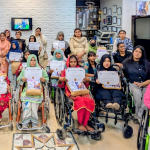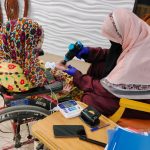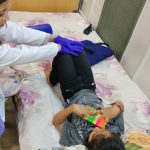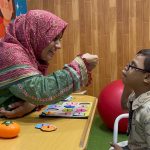


Creating a society where every individual feels valued, respected, and empowered requires more than policy changes; it demands collective effort. A dedicated social welfare NGO in Pakistan plays a central role in shaping environments where persons with disabilities actively participate in daily life. Through structured programs and advocacy, these organizations promote inclusive community disability models that prioritize equal opportunity, accessibility, and dignity.
Inclusive communities are not built overnight. They are developed through awareness campaigns, accessibility improvements, and long-term engagement strategies that foster unity and mutual respect.
Understanding the Meaning of an Inclusive Community
An inclusive community is one where individuals of all abilities can live, work, learn, and socialize without facing discrimination or barriers. It ensures equal access to public spaces, services, education, and employment opportunities.
Within the framework of Inclusive Community Disability, inclusion goes beyond ramps and accessible buildings. It also involves:
- Respectful attitudes and reduced stigma
- Equal participation in civic and social activities
- Access to healthcare and rehabilitation services
- Representation in leadership and decision-making
- Opportunities for economic contribution
A proactive social welfare NGO in Pakistan works to transform communities from exclusionary systems into supportive environments that recognize diversity as strength rather than limitation.
Raising Awareness to Break Barriers
Awareness is the foundation of inclusion. Misconceptions about disability often create invisible barriers that restrict participation. Educational initiatives help shift mindsets and encourage acceptance.
Key awareness efforts include:
- School-based disability education sessions
- Public seminars and workshops
- Media campaigns promoting positive representation
- Community dialogues on inclusion
- Sensitivity training for institutions and businesses
Through these initiatives, inclusive community disability becomes a shared responsibility rather than an isolated cause. When citizens understand the challenges faced by persons with disabilities, empathy increases and discrimination decreases.
A committed social welfare NGO in Pakistan ensures that awareness programs are continuous and culturally sensitive, reaching both urban and rural communities.
Accessibility Programs for Equal Participation
Accessibility is a practical requirement for inclusive living. Without it, individuals remain excluded from everyday activities. NGOs collaborate with local authorities, architects, and community leaders to improve infrastructure.
Accessibility initiatives often focus on:
- Installing ramps and handrails in public buildings
- Promoting accessible transportation options
- Encouraging inclusive school facilities
- Supporting assistive technology distribution
- Advocating for barrier-free workplaces
Strengthening Inclusive Community Disability frameworks require attention to both physical and digital accessibility. Online services, communication platforms, and public information must also be usable by everyone.
A results-driven social welfare NGO in Pakistan not only advocates for change but also provides technical guidance to implement inclusive infrastructure standards.
Community Engagement Strategies
True inclusion requires active engagement rather than passive acceptance. Community engagement strategies create opportunities for interaction and collaboration between persons with and without disabilities.
Effective engagement methods include:
- Inclusive sports and recreational events
- Volunteer-driven outreach programs
- Community service projects involving diverse participants
- Cultural festivals celebrating diversity
- Skill-sharing workshops
By encouraging shared experiences, Inclusive Community Disability initiatives help break stereotypes and foster meaningful relationships.
A leading social welfare NGO in Pakistan often forms local committees or support groups to ensure that community voices guide program development. This participatory approach increases ownership and sustainability.
Education and Youth Participation
Young people play a crucial role in shaping inclusive societies. Schools and universities are ideal platforms for promoting long-term cultural change.
Programs targeting youth may involve:
- Inclusive classroom policies
- Peer support systems
- Student-led advocacy clubs
- Disability awareness campaigns
- Leadership development opportunities
Embedding inclusive community disability values at an early age cultivates empathy and respect. When youth grow up in inclusive environments, they naturally carry those values into adulthood.
A forward-thinking social welfare NGO in Pakistan partners with educational institutions to integrate inclusion into curricula and extracurricular activities.
Economic Inclusion and Livelihood Support
Economic participation strengthens both individuals and communities. Inclusive economic programs ensure that persons with disabilities have equal access to employment and entrepreneurship opportunities.
Strategies include:
- Vocational training programs
- Job placement assistance
- Employer sensitization workshops
- Microfinance initiatives
- Small business mentorship
Through these efforts, Inclusive Community Disability becomes linked to financial independence and self-reliance.
A dedicated social welfare NGO in Pakistan bridges the gap between skilled individuals and inclusive employers, creating pathways toward sustainable livelihoods.
Building Partnerships for Sustainable Impact
No single organization can build inclusive communities alone. Collaboration with government agencies, private sector partners, healthcare providers, and community leaders is essential.
Partnership-driven initiatives may include:
- Joint accessibility audits
- Inclusive policy advocacy campaigns
- Public-private rehabilitation programs
- Community-based monitoring systems
- Shared funding initiatives
By strengthening networks, Inclusive Community Disability initiatives achieve broader reach and long-term stability.
A strategic social welfare NGO in Pakistan focuses on collective action to address systemic barriers while maintaining transparency and accountability.
Social Harmony and Collective Growth
The long-term outcome of inclusive initiatives is social harmony. When diversity is embraced, communities experience stronger cohesion and mutual trust.
Positive social outcomes include:
- Reduced discrimination and stigma
- Increased civic participation
- Enhanced mutual respect
- Stronger neighborhood relationships
- Greater community resilience
Through sustained efforts, Inclusive Community Disability models contribute to peaceful coexistence and shared prosperity.
A responsible social welfare NGO in Pakistan measures success not only by program numbers but also by visible cultural change where inclusion becomes a societal norm.
Monitoring Progress and Measuring Outcomes
Impact evaluation ensures that inclusion efforts remain effective and adaptable. NGOs monitor progress through:
- Community feedback surveys
- Accessibility improvement reports
- Participation rate analysis
- Employment and education tracking
- Periodic stakeholder consultations
These evaluations help refine strategies and address emerging challenges. Transparent reporting also strengthens donor confidence and community trust.
By maintaining structured oversight, Inclusive Community Disability initiatives remain responsive and sustainable.
Conclusion
Inclusive communities are built through awareness, accessibility, engagement, and partnership. A committed social welfare NGO in Pakistan plays a transformative role in guiding this process, ensuring that individuals of all abilities can participate fully in social, economic, and civic life.
Through comprehensive programs that advance Inclusive Community Disability, communities evolve into spaces of acceptance, opportunity, and shared growth. The result is not only improved quality of life for persons with disabilities but also stronger, more harmonious societies where diversity is recognized as a collective strength.