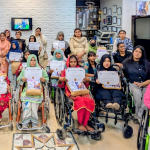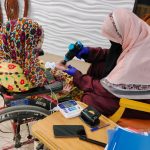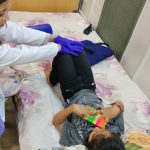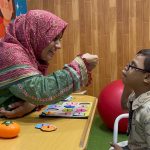


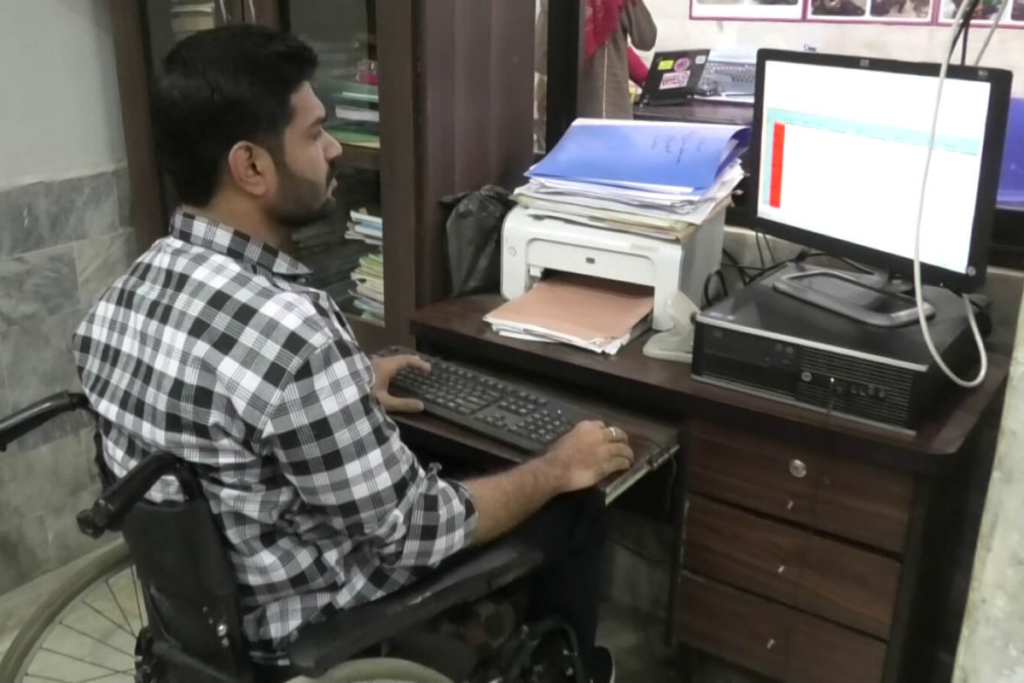
Independent living is a fundamental goal for persons with disabilities, enabling them to manage daily tasks, make informed choices, and participate fully in society. A leading NGO in Pakistan is at the forefront of providing independent living life skills programs, equipping individuals with the knowledge and tools to live with confidence, autonomy, and dignity. These initiatives focus on practical abilities, self-reliance, and social participation, transforming lives and fostering community integration.
Through structured training, participants gain more than just skills they gain independence and the confidence to navigate daily challenges.
Understanding Independent Living
Independent living refers to the ability of individuals with disabilities to lead self-directed lives while accessing necessary support and resources. It emphasizes:
- Decision-making in personal and financial matters
- Managing health and wellness routines
- Performing daily tasks without undue reliance on caregivers
- Participating in social, educational, and professional activities
A focus on independent living life skills ensures that PWDs can contribute meaningfully to their families and communities while maintaining autonomy. The program nurtures self-esteem and a sense of purpose.
Essential Life Skills Training
Life skills are the cornerstone of independence. A leading NGO in Pakistan structures training to cover practical skills that individuals use daily. Key areas include:
- Cooking and Nutrition: Preparing meals safely and healthily
- Hygiene and Personal Care: Maintaining cleanliness and wellness routines
- Household Management: Organizing chores and domestic tasks efficiently
- Budgeting and Financial Management: Planning expenses, savings, and basic money handling
- Time Management: Scheduling activities and managing responsibilities
These modules are tailored to each participant’s abilities, providing hands-on experience and guided practice. By mastering these skills, individuals enhance their autonomy and reduce dependency on caregivers.
Building Confidence and Self-Reliance
Practical skills training directly contributes to emotional and psychological empowerment. Through Independent Living Life Skills programs, participants develop:
- Confidence in performing daily tasks independently
- Problem-solving and decision-making capabilities
- Motivation to pursue education, employment, or entrepreneurship
- Self-advocacy skills for personal and professional settings
- Reduced anxiety and enhanced self-esteem
A leading NGO in Pakistan provides mentorship and encouragement, allowing participants to overcome challenges and gain assurance in their abilities.
Structured Training Methods
Effective life skills training combines theoretical guidance with experiential learning. Programs often include:
- Interactive workshops and simulations
- Role-playing real-life scenarios
- One-on-one coaching for individualized support
- Peer learning and collaborative exercises
- Progress tracking and feedback sessions
This structured approach ensures that each participant gains mastery over essential independent living life skills, applying them confidently in everyday contexts.
Community Integration and Social Participation
Independent living is not limited to private spaces; it extends into the broader community. Participants are encouraged to:
- Engage in local events, recreational activities, and social gatherings
- Volunteer or contribute to community projects
- Collaborate with peers in skill-sharing and mentorship
- Advocate for inclusion and accessibility in public spaces
By fostering independent living life skills, the leading NGO in Pakistan bridges the gap between personal independence and societal engagement, creating individuals who are empowered and socially connected.
Overcoming Barriers to Independence
Many persons with disabilities face structural, social, and psychological barriers. Life skills training helps mitigate these obstacles by:
- Providing adaptive techniques for physical limitations
- Offering assistive technologies to support daily routines
- Enhancing problem-solving strategies for common challenges
- Developing coping mechanisms to handle social or professional interactions
Through these interventions, participants experience greater self-sufficiency and a stronger sense of control over their lives.
Long-Term Outcomes
The long-term impact of Independent Living Life Skills training includes:
- Sustained personal independence
- Higher employability and economic participation
- Improved quality of life and self-esteem
- Strengthened family dynamics due to reduced dependency
- Greater contribution to inclusive community development
These programs create a ripple effect, transforming both the individual and the environment in which they live.
Family and Caregiver Support
While the focus is on individual empowerment, families play a crucial role. The NGO provides guidance to caregivers, helping them:
- Encourage autonomy without over-reliance
- Support skill practice and reinforcement at home
- Understand adaptive techniques and tools
- Promote confidence-building activities
- Maintain communication and emotional support
Family involvement strengthens the practical application of independent living life skills and enhances program effectiveness.
Monitoring and Progress Evaluation
To ensure meaningful outcomes, the NGO implements structured progress tracking:
- Periodic assessments of skill proficiency
- Personalized goal-setting and follow-up
- Feedback sessions with participants and families
- Adaptation of training modules as needed
- Documentation of community integration milestones
Continuous evaluation ensures that independent living life skills are effectively internalized and applied in daily life.
Conclusion
Independent Living Life Skills training equips persons with disabilities to manage daily life confidently, reduce dependency, and engage fully with society. Through the guidance of a leading NGO in Pakistan, individuals gain practical abilities, emotional resilience, and social competence that foster independence and community integration.
By investing in these programs, the NGO not only transforms individual lives but also contributes to more inclusive, empowered, and socially cohesive communities where disability is embraced as part of human diversity.