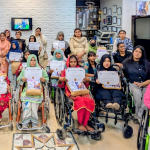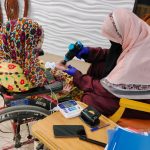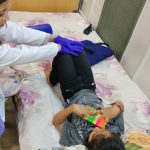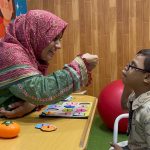


Technology has become a cornerstone of empowerment for persons with disabilities. Leading trusted NGOs in Pakistan are integrating independent living technology into rehabilitation and support programs, enabling individuals to live more autonomously, safely, and confidently. By combining assistive devices, smart tools, and accessible applications, these organizations are transforming the way people with disabilities navigate daily life.
Independent living technology is not merely a convenience; it is a bridge to independence, social participation, and improved quality of life.
Understanding Assistive Technology
Assistive technology encompasses devices, tools, and software designed to support individuals with disabilities in performing tasks independently. These technologies reduce reliance on caregivers and enable participation in work, education, and social activities.
Key aspects include:
- Customizable devices for specific mobility needs
- Software solutions for communication or learning
- Smart home adaptations for safety and convenience
A trusted NGO in Pakistan ensures that Independent Living Technology programs are tailored to each individual, combining training, support, and follow-up to maximize benefits.
Smart Mobility Tools
Mobility is often a significant challenge for persons with disabilities. Smart devices and adaptive tools help bridge the gap:
- Wheelchairs with adjustable features and ergonomic designs
- Walkers and mobility aids integrated with sensors for stability
- Stair and ramp innovations for safe home and community navigation
- Wearable devices that monitor movement and provide feedback
These interventions not only improve physical movement but also foster confidence and reduce dependence on others. By providing independent living technology solutions, the NGO enables participants to move freely and safely in their environments.
Communication Tools for Greater Inclusion
Effective communication is essential for autonomy and social participation. Technology offers solutions for various communication challenges:
- Speech-generating devices for individuals with speech impairments
- Text-to-speech and speech-to-text applications
- Video-based communication platforms for virtual engagement
- Accessible smartphones and tablets with assistive software
A trusted NGO in Pakistan trains users to leverage these tools, enhancing both personal expression and professional opportunities. Independent living technology ensures that communication barriers no longer limit interaction or growth.
Accessibility Apps and Devices
Beyond mobility and communication, accessible technology enhances daily living in multiple areas:
- Smart calendars and reminder apps for managing routines
- Banking and financial management applications
- Home automation for controlling lights, temperature, and security
- Navigation apps designed for accessibility
These devices enable participants to perform daily tasks independently and participate fully in their communities. Integrating independent living technology into daily life promotes efficiency, confidence, and personal control.
Training and User Support
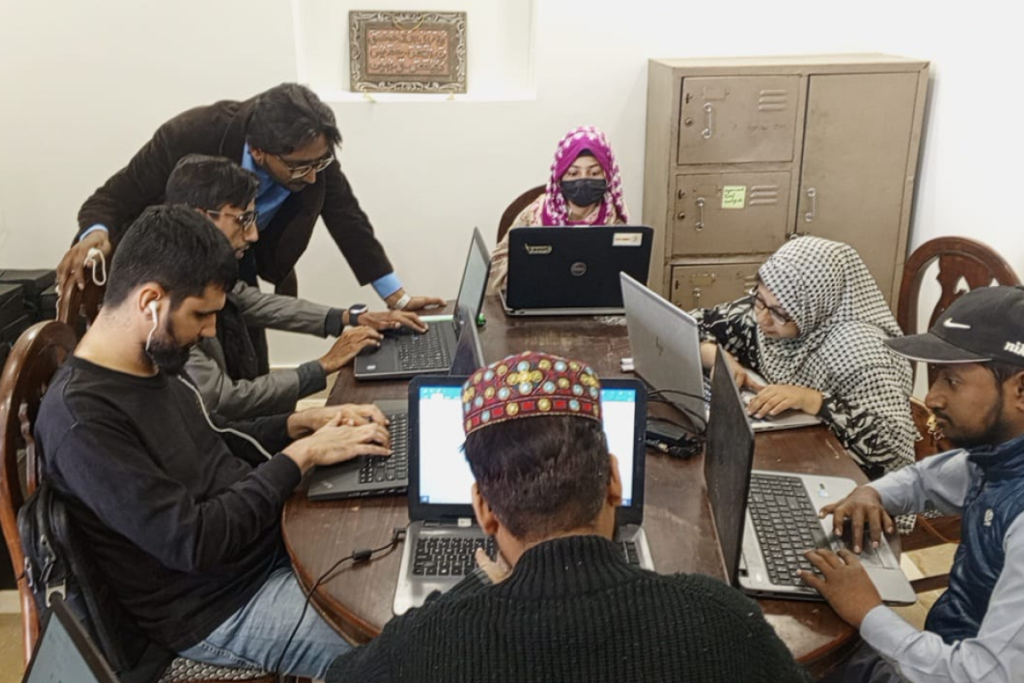
Technology is most effective when users receive structured training. NGOs implement programs that include:
- Hands-on workshops for device and app usage
- Personalized coaching for specific needs
- Peer mentoring to share best practices
- Continuous support for troubleshooting and updates
By combining technical training with guidance, trusted NGOs in Pakistan ensure that independent living technology is effectively adopted and consistently used.
Enhancing Autonomy and Safety
A key advantage of assistive and adaptive technologies is improved autonomy and safety. Participants experience:
- Reduced reliance on caregivers for routine tasks
- Increased confidence in navigating public and private spaces
- Enhanced ability to manage emergencies independently
- Greater self-esteem and sense of control
Through independent living technology, individuals gain not only functional independence but also emotional resilience and dignity.
Community Integration and Empowerment
Technology facilitates inclusion in education, employment, and social activities. Participants can:
- Attend online classes and professional training
- Engage in remote work or freelancing
- Participate in virtual social groups and community events
- Access information and resources without physical limitations
By supporting community participation, trusted NGOs in Pakistan extend the benefits of independent living technology beyond individual users to families and society at large.
Long-Term Benefits and Sustainability
Sustainable implementation ensures that technology programs continue to serve participants effectively over time. NGOs focus on:
- Regular device maintenance and updates
- Continuous training and refresher sessions
- Expanding access to underserved communities
- Collaborating with tech companies for affordable solutions
These measures guarantee that Independent Living Technology delivers consistent, long-term empowerment and independence.
Conclusion
Independent living technology is a transformative tool for persons with disabilities. By combining smart mobility aids, communication devices, accessibility apps, and structured training, trusted NGOs in Pakistan enable individuals to live independently, participate socially, and pursue opportunities confidently.
Investing in technology-driven programs not only improves daily living but also fosters empowerment, safety, and inclusion. Through these initiatives, the NGO ensures that disability does not define capability and that every person can lead a life of autonomy, dignity, and meaningful engagement.