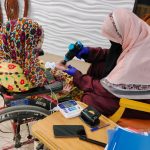



Access to meaningful employment remains one of the greatest challenges for persons with disabilities. A humanitarian NGO in Pakistan plays a pivotal role in addressing these barriers by promoting IT jobs for disabled programs that provide training, mentorship, and real-world employment opportunities. By integrating digital skills development with remote work pathways, these initiatives empower individuals to achieve financial independence and contribute actively to society.
Digital inclusion is not just a technical goal; it is a social and economic equalizer that transforms lives.
Understanding Employment Challenges for Persons with Disabilities
Persons with disabilities often face structural, social, and attitudinal barriers in the job market. Limited accessibility, misconceptions about abilities, and a lack of supportive policies reduce opportunities for meaningful employment.
Key challenges include:
- Physical and technological accessibility constraints
- Limited exposure to skill-building programs
- Employer bias or reluctance to hire PWDs
- Reduced opportunities for remote or flexible work
- Financial dependency due to unemployment
A humanitarian NGO in Pakistan recognizes that overcoming these challenges requires targeted interventions, structured training, and collaboration with employers.
Role of Humanitarian NGOs in Digital Inclusion
Digital inclusion initiatives are central to enabling persons with disabilities to participate in the modern workforce. IT jobs for disabled programs led by humanitarian NGOs aim to:
- Provide accessible IT training and education
- Bridge the skills gap for PWDs
- Advocate for inclusive hiring policies among businesses
- Create mentorship networks for guidance and support
- Promote awareness about the value of PWD contributions
Through these efforts, NGOs not only teach technical skills but also help reshape social perceptions of disability in the workplace.
IT Training Programs
Training is the foundation of IT jobs for disabled initiatives. Programs are designed to meet diverse needs and build employable skills. Training often includes:
- Basic IT Skills: Computer literacy, office applications, and internet navigation
- Freelancing Skills: Platforms, project management, and client communication
- Coding & Software Development: Programming languages, web development, and app creation
These programs are structured to be inclusive, flexible, and accessible, ensuring that participants gain practical skills that can lead to real-world employment. Regular workshops, hands-on exercises, and mentorship are central to the training model.
Remote Job Opportunities
The digital economy offers flexible employment options ideal for persons with disabilities. IT jobs for disabled programs focus on connecting participants with remote work opportunities, including:
- Data entry and virtual assistance
- Freelance content creation and graphic design
- Software and website development
- Online tutoring and consultancy
- Remote IT support roles
By promoting remote employment, humanitarian NGOs allow participants to overcome physical barriers while earning a sustainable income.
Financial Independence Impact
Securing IT employment has a transformative effect on the lives of persons with disabilities. Benefits include:
- Economic self-reliance and reduced dependency
- Increased confidence and self-esteem
- Opportunities for further education and professional growth
- Ability to support family and community needs
- Greater participation in social and civic activities
Through structured IT jobs for disabled programs, a humanitarian NGO in Pakistan ensures that individuals not only gain skills but also achieve long-term financial empowerment.
Enroll in IT Training Programs
If you are a person with a disability seeking to enter the digital workforce, now is the time to take action. A humanitarian NGO in Pakistan offers comprehensive IT jobs for disabled training programs designed to develop technical skills, build confidence, and connect you with remote work opportunities.
Start today: join training sessions, enhance your IT abilities, and take the first step toward financial independence and meaningful professional engagement.