

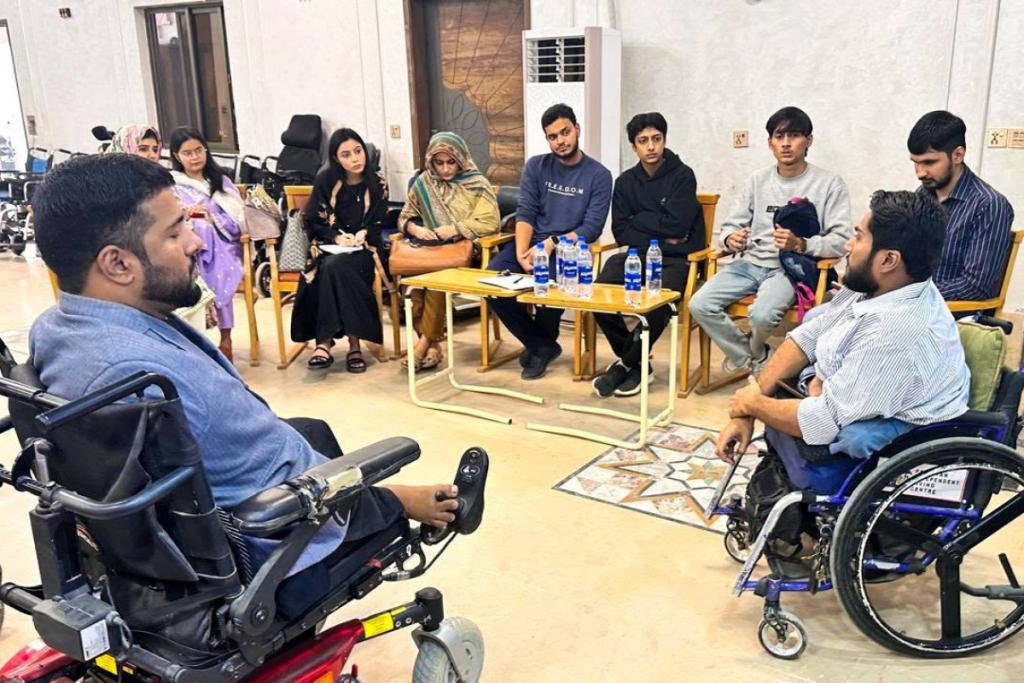
Employment is a cornerstone of independence for people with disabilities, yet access to meaningful work remains limited in many regions. Fortunately, several top NGOs in Pakistan are bridging this gap by providing structured support, skill development, and connections to professional opportunities. Their work demonstrates that disability is not a limitation but a dimension of talent and potential waiting to be recognized.
By focusing on both practical support and long-term empowerment, these organizations ensure that individuals with disabilities can access Jobs for Disabled Persons in Pakistan, gain professional skills, and participate fully in society.
Top NGOs Supporting Disability in Pakistan
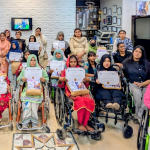
The landscape of disability support in Pakistan is strengthened by NGOs committed to independence, advocacy, and empowerment. Among the top NGOs in Pakistan, organizations like Pakistan Independent Living Centre (PILC) stand out for their holistic approach.
Key initiatives offered by leading NGOs include:
- Vocational and skills training programs
- Community engagement and awareness initiatives
- Counseling and emotional support services
- Advocacy for accessibility and inclusive policies
These NGOs do more than provide services; they create ecosystems that empower individuals with disabilities to take charge of their lives. Families and communities are also engaged in these efforts, ensuring support is consistent, informed, and impactful.
By combining training, guidance, and advocacy, top NGOs ensure that individuals can access education, employment, and community participation without facing unnecessary barriers.
Jobs for Disabled Persons in Pakistan
Access to jobs for disabled persons in Pakistan is crucial for fostering independence and self-confidence. Employment provides financial stability, a sense of purpose, and social engagement.
Despite the potential, many individuals face challenges such as:
- Limited job listings designed to accommodate accessibility needs
- Lack of awareness among employers
- Misconceptions about productivity and capability
- Work environments that are physically or socially restrictive
Leading NGOs work to address these challenges by connecting trained candidates with companies and facilitating employment opportunities. They also advocate for inclusive hiring practices that focus on skills rather than assumptions.
The focus is not just on entry-level roles. People with disabilities have diverse talents and interests, and jobs for disabled persons in Pakistan now include opportunities in IT, customer service, creative industries, and remote work arrangements.
By making employment visible and accessible, NGOs contribute to changing societal attitudes, demonstrating that individuals with disabilities are valuable contributors to the workforce.
Employment Programs for PWD
Employment programs designed for PWD (persons with disabilities) provide structured pathways toward meaningful work. These programs combine skill development, mentorship, and practical job placement support.
Components of effective employment programs for PWD include:
- Job-readiness training and workshops
- Internship and apprenticeship opportunities
- Assistance with resume writing, interviews, and workplace adaptation
- Ongoing mentorship and performance feedback
Through these programs, individuals gain confidence, experience, and marketable skills, ensuring they can perform effectively in professional environments. NGOs also facilitate partnerships with private companies to create accessible roles tailored to different abilities.
Such programs are critical because training alone does not guarantee employment. By linking skills development directly to real-world opportunities, NGOs ensure that individuals can transition smoothly into independent work.
Skills Training for Disabled People
Skill development is at the heart of employment initiatives. Skills training for disabled people equips individuals with both technical and soft skills necessary to thrive in modern workplaces.
Training programs often cover areas such as:
- Digital literacy, software skills, and IT applications
- Communication, teamwork, and problem-solving
- Creative and vocational skills like arts, crafts, or design
- Time management and professional etiquette
Tailored programs take into account individual abilities and aspirations. For example, some participants may excel in digital work suitable for remote employment, while others may thrive in hands-on vocational tasks.
By combining skills training with mentorship and guidance, NGOs help participants bridge the gap between potential and opportunity. This ensures that jobs for disabled persons in Pakistan are not just accessible but also attainable and sustainable.
Benefits of Inclusive Employment
Inclusive employment offers wide-ranging benefits for individuals, families, organizations, and society.
For individuals with disabilities:
- Financial independence and security
- Increased self-confidence and motivation
- Opportunities for professional growth and social engagement
- A sense of purpose and belonging
For families, it reduces long-term dependency and provides reassurance that their loved ones are supported in meaningful ways.
For organizations, inclusive hiring brings:
- Diverse perspectives and innovative problem-solving
- Increased employee engagement and loyalty
- Enhanced reputation as socially responsible employers
At the societal level, creating jobs for disabled persons in Pakistan contributes to economic growth and social cohesion. Communities benefit from increased awareness, reduced stigma, and the participation of all members in productive roles.
Inclusive employment also transforms perceptions of disability. When workplaces showcase the skills, dedication, and contributions of people with disabilities, society begins to value ability over limitation, fostering a culture of respect and equality.
By supporting and collaborating with top NGOs in Pakistan, families, businesses, and communities collectively expand opportunities for people with disabilities. Through skill development, employment programs, and holistic support, these organizations create pathways for independence, empowerment, and meaningful participation.
The combination of structured guidance, mentorship, and access to professional roles ensures that jobs for disabled persons in Pakistan are not just aspirational but achievable. Ultimately, inclusive employment strengthens individuals, enhances workplaces, and moves society toward greater equity and understanding.