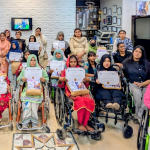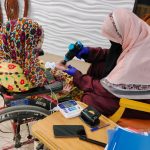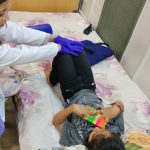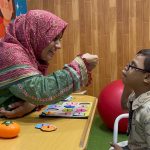


Independent living is more than a concept; it is a commitment to ensuring that people with disabilities have the freedom to make decisions about their own lives. In Pakistan, organizations working in this field have been instrumental in turning this philosophy into practice, providing opportunities for autonomy, skill development, and meaningful work.
By integrating the principles of independent living philosophy with access to job opportunities for disabled individuals, they are empowered to take control of their education, careers, and social participation. This approach emphasizes choice, dignity, and active engagement in everyday life.
What is Independent Living Philosophy?
The independent living philosophy is rooted in the belief that individuals with disabilities should have the same rights to make decisions and live autonomously as anyone else. It emphasizes:
- Personal choice and control over daily life
- Access to education, employment, and community participation
- Equal rights in social, professional, and civic spheres
This philosophy challenges traditional perceptions that disability equates to dependence. It stresses that people with disabilities are capable of making informed decisions when provided with proper support and resources.
Organizations in Pakistan, especially the Pakistan Independent Living Centre (PILC), are pioneers in promoting this philosophy. They provide not only advocacy but also practical services that enable individuals to implement independent living in their personal, academic, and professional lives.
Importance for People with Disabilities
For individuals, embracing the independent living philosophy has tangible benefits. It ensures that they are not passive recipients of assistance but active participants in shaping their own lives.
Key advantages include:
- Greater control over personal routines and decisions
- Enhanced confidence and self-esteem
- Opportunities for skill development and employment
- Stronger social connections and community participation
Families also benefit, as they gain assurance that their loved ones can navigate life with autonomy while still having access to guidance and support.
In Pakistan, the emphasis on independent living is growing, yet challenges remain. Physical accessibility, social attitudes, and lack of information can limit implementation. NGOs like the Pakistan Independent Living Centre (PILC) play a key role in bridging these gaps, offering programs that provide practical guidance and advocacy.
Job Opportunities for Disabled Persons
Employment is one of the most important outcomes of independent living. Access to job opportunities for disabled individuals allows them to earn, contribute, and participate actively in society.
Despite potential, many individuals face barriers, including:
- Limited availability of accessible roles
- Workplace environments that are not accommodating
- Lack of awareness about abilities and potential
- Societal misconceptions and biases
Leading NGOs, including PILC and DWA, facilitate employment by:
- Connecting individuals to inclusive job opportunities
- Offering vocational training and skill-building programs
- Advocating with employers to adopt accessible practices
- Providing mentorship and guidance for workplace adaptation
Opportunities span multiple sectors, including IT, administrative services, creative industries, and remote work arrangements. By aligning employment with individual strengths, NGOs ensure that work is both fulfilling and sustainable.
Role of NGOs in Disability Employment
NGOs are at the forefront of translating the independent living philosophy into actionable outcomes, particularly in employment. Their role encompasses training, advocacy, and support services designed to create inclusive workplaces.
Key contributions include:
- Skill development programs tailored to the labor market
- Internship and apprenticeship opportunities
- Guidance for interview preparation, resumes, and workplace adjustment
- Ongoing support for employees and employers
By facilitating job opportunities for the disabled, NGOs ensure that independence is not theoretical but practical. They also raise awareness among companies, promoting inclusive policies and accessible environments.
Top NGOs in Pakistan, including Pakistan Independent Living Centre (PILC) and Disabled Welfare Association (DWA), have demonstrated that with proper training and support, individuals with disabilities can excel in diverse professional settings.
Benefits of Independent Living
The benefits of embracing the independent living philosophy extend across personal, familial, and societal levels.
For individuals:
- Enhanced autonomy and decision-making
- Increased confidence and self-worth
- Improved access to education and employment
- Stronger social and community connections
For families:
- Reduced caregiver burden
- Greater peace of mind knowing their loved one has guidance and support
- Opportunities to plan for long-term growth and independence
For society:
- More inclusive communities
- Increased economic participation and productivity
- Reduction in social stigma and bias
By combining independent living with access to job opportunities for disabled individuals, they are not merely receiving support; they are actively shaping their futures. Programs offered by top NGOs, including PILC and DWA, ensure that independence is paired with practical skills, meaningful employment, and social engagement.
The integration of independent living philosophy and employment initiatives represents a powerful pathway toward empowerment. When people with disabilities are equipped to make their own choices, participate in professional life, and engage with communities, they move beyond limitations to live fully autonomous and meaningful lives.
Pioneering organizations like Pakistan Independent Living Centre (PILC) continue to demonstrate that independence, skill development, and employment are not separate goals; they are interconnected steps toward a life of dignity and self-determination.