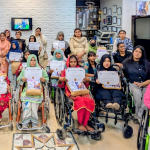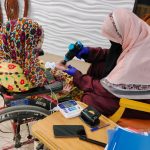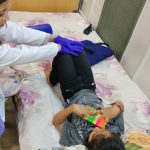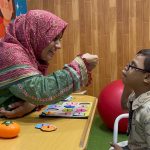


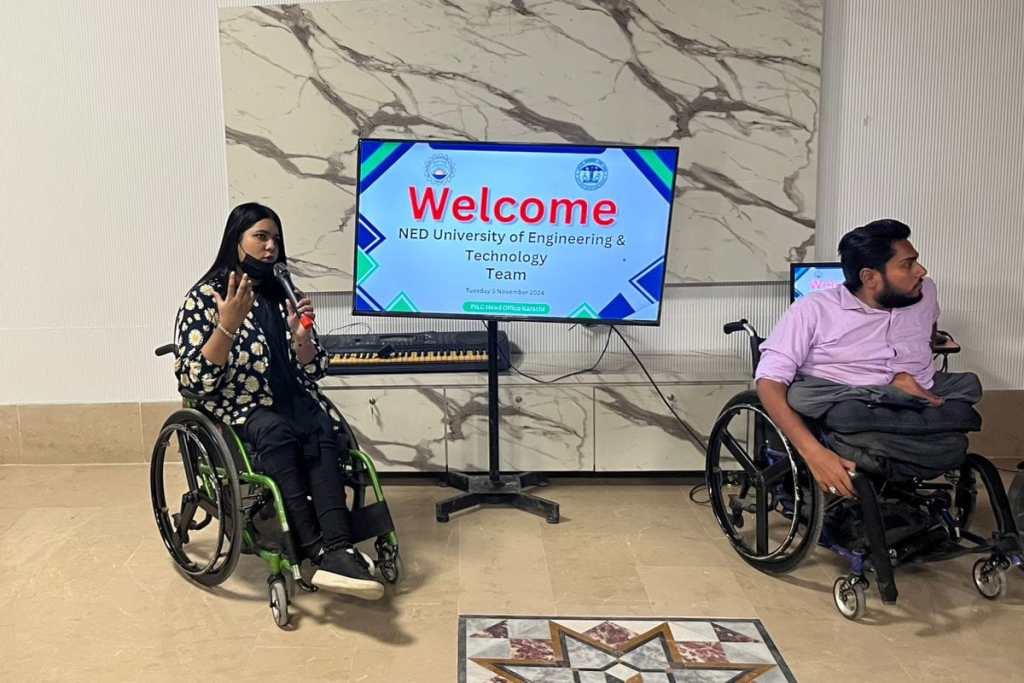
In Pakistan, the efforts of a non-profit organization in Pakistan can make a transformative difference in the lives of people with disabilities. While government programs provide essential services, non-profits bring a human-centered approach, focusing on empowerment, independence, and holistic support.
These organizations act as bridges connecting individuals with resources, skills, and networks that allow them to participate fully in education, work, and community life. Their work goes beyond charity; it is about creating systems that nurture confidence, choice, and active participation.
Role of Non-Profit Organizations
Non-profits play a critical role in shaping the landscape of disability support. Unlike traditional service providers, they prioritize inclusion, advocacy, and sustainable development.
A non-profit organization in Pakistan focused on disability support often provides:
- Counseling and guidance for individuals and families
- Vocational and skill-building programs
- Community engagement and awareness campaigns
- Advocacy for accessibility and rights
Such organizations ensure that individuals with disabilities are not treated as passive recipients of aid. Instead, they are seen as capable contributors, with the right to make decisions about their education, work, and social participation.
Families also benefit from the guidance provided by non-profits. Navigating education systems, employment opportunities, and healthcare options can be challenging. These organizations offer tools, advice, and advocacy to ensure long-term support.
Additionally, non-profits play an essential role in raising public awareness. Through campaigns, workshops, and media engagement, they challenge stereotypes, reduce stigma, and promote the inclusion of people with disabilities in society.
Peer Support for Disability
One of the most powerful approaches in disability support is peer support disability. Peer support involves connecting individuals who share similar experiences, allowing them to exchange guidance, encouragement, and practical solutions.
Peer networks are valuable for several reasons:
- They provide emotional support from someone who truly understands the challenges
- They foster confidence by sharing success stories and coping strategies
- They create spaces for collaboration, skill-sharing, and mutual learning
- They reduce feelings of isolation and build a sense of belonging
Programs designed around peer support disability often include mentorship, group discussions, and collaborative workshops. These initiatives empower participants to develop problem-solving skills, self-advocacy, and leadership capabilities.
For families, peer support programs also offer relief. Parents and caregivers gain insights from others in similar situations, helping them navigate challenges and plan for the future with more confidence.
Community Programs for PWD
Community engagement is central to disability inclusion. Structured community programs for PWD create environments where individuals can actively participate in social, educational, and recreational activities.
These programs often include:
- Local workshops and training sessions
- Recreational events and cultural activities
- Awareness campaigns to sensitize the broader community
- Skill development initiatives linked to employment opportunities
By fostering interaction between people with disabilities and their communities, these programs encourage understanding, reduce stigma, and create opportunities for active participation.
Additionally, community programs help identify talents and interests that may otherwise remain untapped. For example, workshops in digital skills, crafts, or performing arts can reveal potential pathways for professional or creative development.
Through sustained engagement, these programs help integrate PWD into daily community life, creating a sense of belonging and empowerment.
Support Networks for Disabled People
Support networks play a crucial role in sustaining independence. These networks connect individuals with resources, services, mentors, and peers who provide guidance and encouragement.
A robust support network for disabled people includes:
- Access to skill-building programs and vocational training
- Counseling and mentorship services
- Peer support groups and collaborative platforms
- Connections to NGOs, educational institutions, and employers
Such networks ensure that individuals do not navigate challenges in isolation. They create spaces where advice is available, skills can be developed, and participation in daily life is actively encouraged.
Support networks also allow for collective advocacy. By connecting multiple voices, they can push for accessible public spaces, inclusive policies, and equitable opportunities in education and employment.
For families, support networks reduce the burden of responsibility. They provide reassurance that guidance, resources, and community are available, helping families focus on long-term growth rather than short-term challenges.
Benefits of Peer Support Programs
The benefits of peer support disability programs extend beyond emotional comfort. They provide practical advantages that enhance independence, confidence, and participation.
For individuals, peer support programs:
- Increase self-confidence and decision-making abilities
- Foster emotional resilience and coping strategies
- Provide real-world insights into education, employment, and social participation
- Build leadership and advocacy skills
For families, these programs provide:
- Guidance on navigating systems and services
- Emotional support and shared experiences
- Tools to foster independence in their loved ones
For the community, peer support programs:
- Promote awareness and understanding of disability
- Encourage collaboration and inclusion
- Reduce social stigma and discrimination
Non-profit organizations integrate peer support disability initiatives alongside skill-building, counseling, and community programs to create a comprehensive ecosystem. This combination ensures that individuals with disabilities are supported in multiple dimensions: practical, emotional, and social.
When implemented effectively, the work of a non-profit organization in Pakistan creates environments where people with disabilities are not merely recipients of aid but active participants in society. Through peer support disability, community engagement, skill development, and advocacy, these organizations transform lives.
They demonstrate that inclusion is most effective when it is holistic, human-centered, and sustainable. Participants gain independence, confidence, and the ability to contribute meaningfully, building a future where disability is not a limitation but a dimension of diversity and capability.