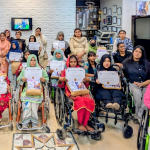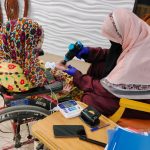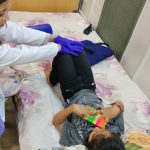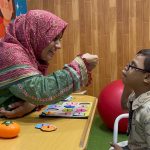


When families and individuals look for support, one question comes first: can this organization be trusted? In the context of disability services, trust is not just about reputation; it is about consistency, care, and real outcomes. A trusted NGO in Pakistan is one that stands by individuals through every stage of their journey, offering support that is reliable, respectful, and meaningful.
At the same time, support today goes beyond basic services. Emotional well-being, confidence, and self-expression are just as important as education and employment. This is where music therapy disability programs are making a real difference. Through sound, rhythm, and creative engagement, individuals find new ways to connect with themselves and the world around them.
Organizations like Pakistan Independent Living Centre (PILC) are building programs that combine trust with innovation ensuring that therapy, support, and personal growth go hand in hand.
Importance of Trust in NGOs
Choosing a trusted NGO in Pakistan is a deeply personal decision for individuals and families. Trust develops over time and is shaped by how an organization delivers its services and engages with the community.
1. Consistency in Support
A reliable NGO ensures that services are not one-time efforts. Individuals receive ongoing guidance, whether it is training, counseling, or therapy.
2. Respect and Dignity
Trust grows when individuals feel heard and valued. A strong organization treats every person with a disability as an individual with goals, preferences, and the right to make decisions.
3. Clear Communication
Transparency in programs, processes, and outcomes helps families feel confident in their choices.
4. Real Impact
Trust is strengthened when individuals see tangible changes improved confidence, better communication, and active participation in daily life.
PILC has earned recognition as a trusted NGO in Pakistan by focusing on long-term engagement rather than short-term solutions, ensuring that individuals feel supported at every step.
What is Music Therapy?
Music therapy disability is a structured approach that uses music as a tool for emotional, cognitive, and social development. It is guided by trained facilitators who use sound and rhythm to support expression and connection.
This form of therapy may include:
- Listening to music for relaxation and focus
- Singing and vocal exercises
- Playing simple instruments
- Rhythm-based activities
- Movement and coordination exercises
The aim is not performance it is expression. Music creates a space where individuals can communicate without pressure, especially when words are difficult to find.
For many, music therapy disability becomes a bridge between inner emotions and outward expression, helping individuals feel understood and connected.
Benefits for Persons with Disabilities
The impact of music therapy disability extends across multiple areas of life, supporting both emotional and cognitive development.
1. Emotional Expression
Music allows individuals to express feelings that may be difficult to communicate verbally. This helps reduce stress and emotional pressure.
2. Improved Communication Skills
Through rhythm and sound, individuals develop alternative ways to connect with others, improving both verbal and non-verbal communication.
3. Confidence Building
Participating in music-based activities creates a sense of achievement, encouraging individuals to engage more actively.
4. Cognitive Development
Music stimulates memory, focus, and coordination, supporting overall mental development.
5. Social Interaction
Group sessions encourage collaboration, helping individuals build relationships and feel part of a community.
6. Relaxation and Stress Relief
Music has a calming effect, helping individuals manage anxiety and develop a sense of balance.
For a person with a disability, these benefits contribute to a more confident, expressive, and connected life.
NGO Therapy Programs
A trusted NGO in Pakistan ensures that therapy programs are structured, inclusive, and aligned with individual needs.
Pakistan Independent Living Centre (PILC) offers music therapy disability programs as part of its broader support system. These sessions are designed to be engaging, flexible, and accessible.
Key Features of NGO Therapy Programs
- Guided Sessions: Facilitators create a supportive environment where individuals feel comfortable participating
- Group Activities: Encouraging interaction and shared experiences
- Individual Focus: Adapting activities based on each participant’s abilities and preferences
- Integration with Other Services: Combining therapy with skill development, peer support, and community engagement
- Safe and Inclusive Spaces: Ensuring that every participant feels respected and valued
These programs reflect a deeper understanding that emotional well-being is essential for overall growth and independence.
Real-Life Impact
The true value of music therapy disability is best understood through real experiences.
Case Example 1: Finding a Voice Through Music
A young participant who struggled with verbal communication began attending music sessions at PILC. Over time, they started engaging through rhythm and sound, gradually building the confidence to communicate more openly.
Case Example 2: Building Confidence in Group Settings
Another individual, initially hesitant to join group activities, found comfort in music sessions. The shared experience of rhythm and melody helped them connect with others, leading to greater participation in community programs.
Case Example 3: Emotional Balance and Focus
For individuals dealing with stress and anxiety, music therapy sessions provided a calming routine, helping them manage emotions and improve focus in daily activities.
These stories reflect a simple truth when individuals are given the right environment and tools, growth follows naturally.
A Supportive Path Forward
Support is most effective when it addresses both practical needs and emotional well-being. A trusted NGO in Pakistan understands this balance and builds programs that reflect it.
Through music therapy, disabled individuals gain:
- A space to express themselves
- Confidence to engage with others
- Skills that support communication and focus
- A sense of belonging within a community
This approach ensures that therapy is not isolated; it becomes part of a broader journey toward independence and participation.
Join Therapy
If you or someone you know could benefit from creative and supportive therapy sessions, taking the first step can make a meaningful difference.
The Pakistan Independent Living Centre (PILC) offers structured music therapy disability programs designed to support emotional well-being, communication, and confidence.