

Disability rights are rooted in the belief that every individual deserves equal opportunities, dignity, and full participation in society. Inclusion is not merely about accessibility; it is about active engagement in education, employment, recreation, and community life. Among the many strategies supporting this vision, sports therapy has emerged as a powerful and practical pathway toward realizing disability rights.
Sports therapy for persons with disabilities goes beyond physical exercise. It represents empowerment, social visibility, and the right to participate in community life without discrimination. When structured within a rights-based framework, sports programs become tools for advocacy, confidence building, and long-term inclusion.
Understanding the Rights-Based Approach
A rights-based approach to disability focuses on equality rather than charity. It recognizes persons with disabilities as rights holders, not beneficiaries of sympathy. This framework aligns with global disability rights movements and emphasizes:
- Equal access to recreational opportunities
- Freedom from discrimination
- Participation in cultural and sports activities
- Respect for dignity and autonomy
- Removal of physical and social barriers
Sports therapy fits naturally within this framework. Access to physical activity and recreation is not a privilege; it is a fundamental right. When inclusive sports programs are provided, they uphold the principle that everyone deserves opportunities for growth and participation.
What Is Sports Therapy for Disabled Persons?
Sports Therapy for Disabled is a structured therapeutic intervention that uses physical activity, adaptive exercises, and organized sports to improve physical function and emotional well-being. For persons with disabilities, it includes personalized programs designed according to mobility levels, strength, and medical considerations.
Unlike traditional physiotherapy, sports therapy often integrates teamwork, skill-building, and competitive elements. It combines rehabilitation with recreation, making therapy more engaging and socially interactive.
Sports therapy programs may be delivered in rehabilitation centers, community grounds, schools, or inclusive sports clubs. The focus remains on ability development and participation.
Physical Activity Benefits
Regular physical activity provides significant physical and psychological advantages for persons with disabilities.
Physical Benefits:
- Improved muscle strength and flexibility
- Better cardiovascular health
- Enhanced coordination and balance
- Reduced risk of secondary complications
- Increased endurance for daily activities
Mental and Emotional Benefits:
- Stress reduction
- Improved mood
- Better concentration
- Greater motivation
- Strengthened resilience
Engaging in sports helps individuals experience their bodies as capable rather than limited. This shift in perspective supports long-term empowerment.
Adaptive Sports: Examples of Inclusive Participation
Adaptive sports are modified versions of traditional sports designed to accommodate different abilities. These programs ensure that physical limitations do not prevent participation.
Common Adaptive Sports Examples:
- Wheelchair Basketball
Promotes teamwork, upper-body strength, and strategic thinking. - Sitting Volleyball
Encourages coordination and inclusive group participation. - Para Swimming
Enhances muscle strength and cardiovascular endurance. - Boccia
A precision sport suitable for individuals with limited mobility. - Blind Cricket
Uses auditory cues to enable participation for visually impaired athletes. - Adaptive Cycling
Customized bicycles provide mobility and independence.
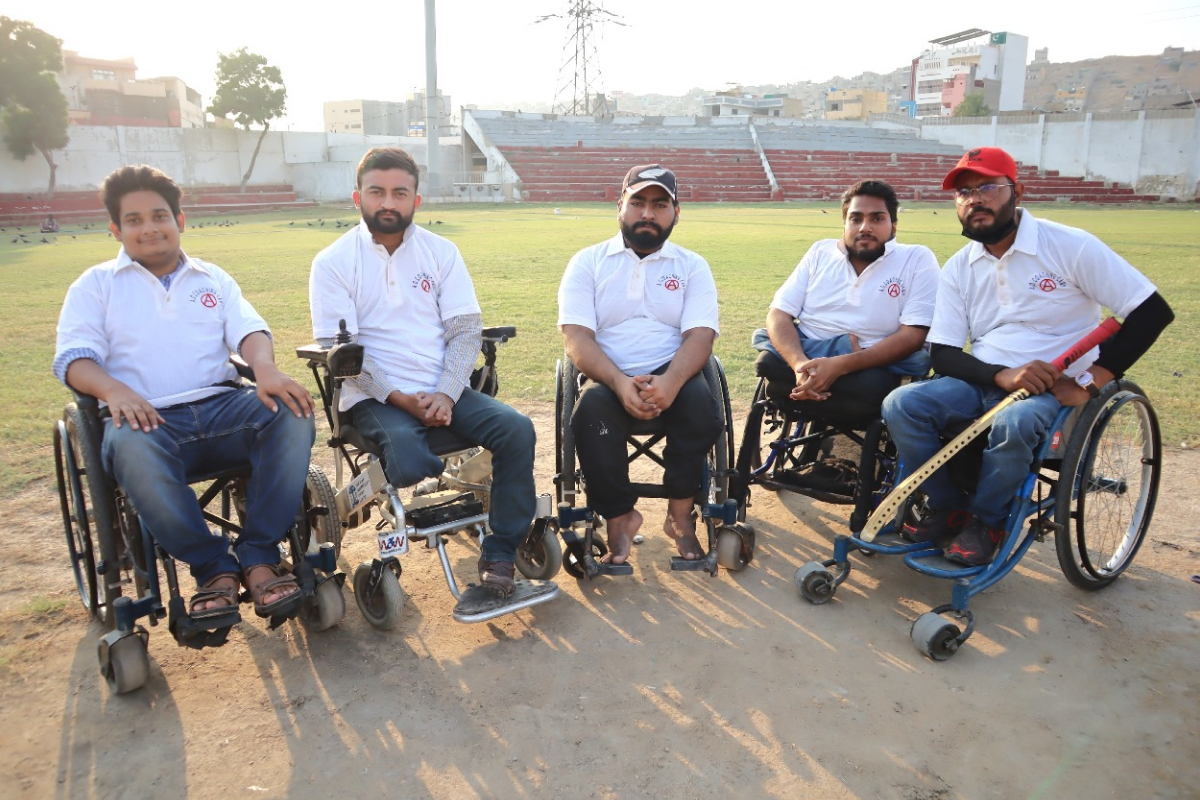
These sports create opportunities for individuals to compete, collaborate, and socialize within inclusive environments.
Building Confidence Through Participation
Confidence is often one of the most transformative outcomes of sports therapy. When persons with disabilities participate in organized sports, they experience achievement, recognition, and personal growth.
Success in sports reinforces the idea that disability does not define potential. Each skill mastered, whether dribbling a basketball or completing a lap in the pool, becomes a milestone of progress.
Participation also helps individuals overcome internalized stigma. Public recognition, team victories, and shared celebrations enhance self-esteem and foster a sense of belonging.
Confidence gained on the field frequently translates into other areas of life, including education, employment, and community engagement.
Promoting Social Inclusion and Community Engagement
Sports naturally bring people together. Inclusive sports programs create environments where individuals with and without disabilities interact equally.
Group activities promote:
- Team collaboration
- Mutual respect
- Shared goals
- Peer support
- Social bonding
By breaking social barriers, sports therapy challenges stereotypes and reshapes community perceptions. When communities witness the talent and determination of athletes with disabilities, attitudes shift from pity to respect.
This social transformation is a core objective of disability rights advocacy.
Preventing Secondary Health Complications
Persons with disabilities may face increased risks of secondary conditions such as obesity, muscle stiffness, or reduced cardiovascular fitness due to limited physical activity.
Sports therapy helps prevent these complications by encouraging regular movement and structured exercise. Improved physical health reduces long-term medical costs and enhances independence.
Preventative care through sports reinforces the right to health and well-being, central components of disability rights frameworks.
Empowerment Through Competitive Opportunities
Competitive sports, whether at local, national, or international levels, further strengthen advocacy and visibility.
Events such as the Paralympic Games demonstrate that athletes with disabilities can perform at elite levels. Such platforms highlight ability, resilience, and determination.
Participation in competitions:
- Elevates public awareness
- Encourages policy improvements
- Inspires younger generations
- Strengthens leadership skills
When athletes with disabilities stand on podiums, they represent not only personal achievement but also the broader disability rights movement.
Integrating Sports Therapy into Rights-Based Policy
For sports therapy to effectively support disability rights, it must be integrated into broader social policies. Governments, NGOs, and private institutions can collaborate to:
- Develop accessible sports infrastructure
- Train coaches in adaptive techniques
- Ensure inclusive school sports programs
- Provide affordable equipment
- Promote anti-discrimination policies
Institutional commitment ensures sustainability. Rights-based inclusion is strengthened when sports opportunities are systemic rather than occasional.
Long-Term Impact on Inclusion
The long-term outcomes of sports therapy extend far beyond physical fitness.
Individuals often experience:
- Greater independence
- Stronger leadership qualities
- Improved communication skills
- Enhanced career motivation
- Broader social networks
Sports therapy transforms recreation into empowerment. It helps individuals assert their rights, demonstrate their capabilities, and actively shape their communities.
Conclusion
Sports therapy is more than structured exercise; it is a pathway to disability rights and meaningful inclusion. Through adaptive sports, physical rehabilitation, and community participation, persons with disabilities gain confidence, strength, and visibility.
A rights-based approach ensures that access to sports is recognized as an essential component of equality. When inclusive sports programs are supported and sustained, they challenge discrimination, build resilience, and promote social transformation.
By empowering individuals physically and emotionally, sports therapy reinforces the fundamental principle of disability rights: equal participation, equal respect, and equal opportunity for all.