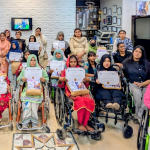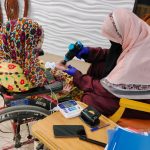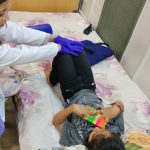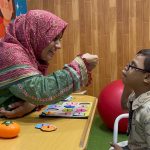


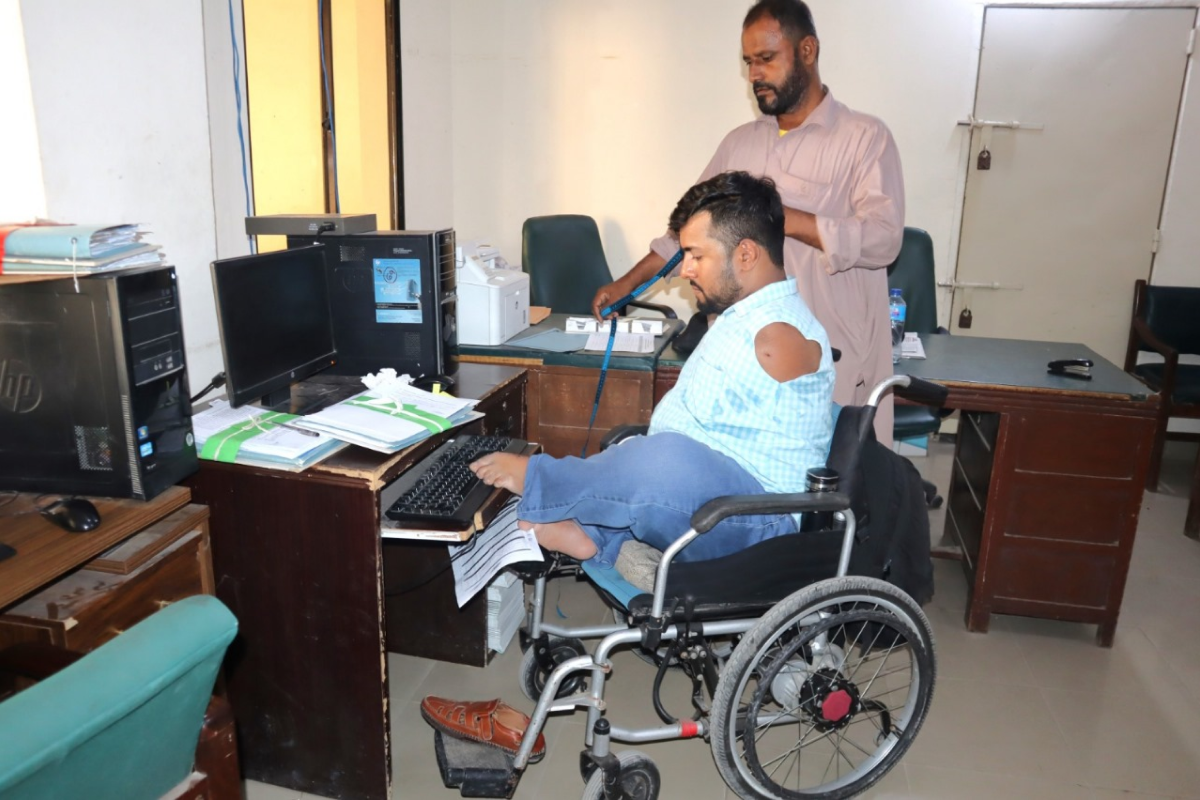
Community inclusion disability is not simply about physical presence in society; it is about meaningful participation, acceptance, and equal opportunity. For persons with disabilities (PWD), inclusion means being able to learn, work, socialize, and contribute without facing barriers or discrimination. Among the most effective pathways toward genuine inclusion are structured skills training programs.
Skills training does more than prepare individuals for employment. It strengthens confidence, enhances independence, and shifts community perceptions. When persons with disabilities develop practical abilities and actively contribute to economic and social life, inclusion becomes visible and sustainable.
Understanding Community Inclusion in Disability
Community inclusion refers to the full and active participation of persons with disabilities in everyday community life. This includes access to:
- Education and training
- Employment opportunities
- Social and cultural activities
- Public spaces and services
- Decision-making processes
True inclusion goes beyond accessibility ramps or policy statements. It involves social acceptance, respect, and equal recognition of potential.
For many persons with disabilities, exclusion often stems from limited opportunities to demonstrate their abilities. Skills training bridges this gap by equipping individuals with competencies that enable active participation.
The Role of Skills Training in Promoting Inclusion
Skills training programs are structured initiatives designed to enhance employability, independence, and social engagement. These programs focus on identifying strengths, building competencies, and preparing participants for real-world challenges.
When individuals gain practical skills, they are better positioned to:
- Secure employment
- Start small businesses
- Contribute to household income
- Participate confidently in community events
- Advocate for their own rights
Inclusion becomes achievable when persons with disabilities are seen as contributors rather than dependents.
Types of Skills Training Programs
Effective programs are diverse and adaptable to individual interests, abilities, and market demand. Below are common types of training that support community inclusion.
A. Vocational Skills Training
Vocational programs focus on practical, job-oriented skills. These may include:
- Tailoring and garment stitching
- Electrical or mobile repair work
- Beauty and salon services
- Culinary and baking skills
- Carpentry and handicrafts
Such skills provide direct pathways to income generation, either through employment or self-employment.
B. Information Technology (IT) Training
Digital skills have become increasingly important in modern economies. IT training opens doors to flexible and inclusive employment opportunities.
Programs may include:
- Basic computer literacy
- Graphic design
- Digital marketing
- Data entry and office software skills
- Freelancing platform training
Online work environments can reduce physical barriers, making IT skills particularly valuable for persons with mobility challenges.
Craft and Creative Skills Development
Creative skills training allows individuals to explore artistic talents while generating income.
Examples include:
- Handmade crafts
- Embroidery and textile art
- Jewelry making
- Candle and soap production
- Painting and decorative arts
Community exhibitions and local markets provide platforms to showcase and sell these products, enhancing both income and visibility.
Building Social Acceptance Through Skills
One of the most significant impacts of skills training is its influence on community attitudes. When persons with disabilities demonstrate competence and professionalism, stereotypes begin to fade.
Communities often shift from viewing disability through a lens of limitation to recognizing talent and contribution. This transformation fosters:
- Greater respect
- Reduced stigma
- Increased collaboration
- Stronger peer relationships
Social acceptance grows when individuals actively participate and contribute to shared goals.
Enhancing Confidence and Self-Identity
Skills mastery strengthens personal identity. Completing a training program, producing a product, or delivering a service reinforces a sense of achievement.
Confidence built through training often leads to:
- Improved communication skills
- Willingness to participate in public events
- Leadership development
- Advocacy engagement
When individuals perceive themselves as capable and skilled, they engage more confidently in community life.
Employment Pathways and Economic Participation
Skills training is closely linked to employment opportunities. Structured programs often collaborate with local businesses, organizations, and industries to create placement opportunities.
Employment outcomes may include:
- Formal job placements
- Internship opportunities
- Apprenticeships
- Self-employment ventures
- Cooperative business models
Economic participation strengthens independence and reduces financial dependency. Income generation empowers individuals to make personal decisions, support families, and invest in future growth.
Strengthening Independence Through Income Generation
Financial independence plays a crucial role in community inclusion. When persons with disabilities earn income, they gain decision-making power and autonomy.
Independence includes:
- Managing personal expenses
- Contributing to household finances
- Accessing transportation independently
- Investing in further education or equipment
Economic stability reinforces social inclusion, as individuals participate more confidently in communal activities and events.
Community Engagement and Networking
Skills training programs often encourage networking and group collaboration. Participants may engage in team-based projects, exhibitions, or joint enterprises.
These interactions build:
- Peer support systems
- Professional networks
- Collaborative business opportunities
- Community recognition
Networking strengthens long-term inclusion by creating sustainable relationships beyond the training period.
Reducing Dependency and Promoting Dignity
Dependency often leads to social marginalization. Skills training reduces reliance on constant assistance by equipping individuals with practical tools for self-reliance.
Dignity is restored when persons with disabilities:
- Make independent choices
- Demonstrate expertise
- Contribute economically
- Participate equally in discussions
Inclusion is not only structural but also psychological. Empowerment fosters dignity and pride.
Long-Term Impact on Community Development
Inclusive communities benefit collectively when persons with disabilities are actively engaged. Economic participation expands workforce diversity and stimulates innovation.
Long-term benefits include:
- Reduced poverty levels
- Greater workforce inclusion
- Enhanced social harmony
- Increased awareness of accessibility needs
- Stronger community resilience
Skills training programs create ripple effects that extend beyond individual participants. They reshape community perceptions and encourage inclusive development.
Conclusion
Skills Training for PWD programs are powerful tools for promoting community inclusion for persons with disabilities. By equipping individuals with vocational, IT, and creative skills, these programs open pathways to employment, financial independence, and social participation.
Inclusion becomes meaningful when persons with disabilities are empowered to contribute, collaborate, and lead. Skills training transforms potential into productivity and barriers into opportunities.
Through structured learning, community support, and sustained engagement, inclusion evolves from an ideal into a lived reality, one skill, one opportunity, and one empowered individual at a time.