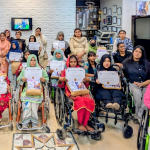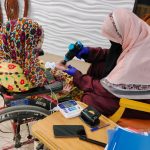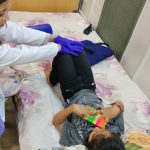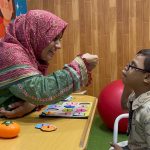


Inclusive living is a vision where persons with disabilities participate fully and equally in society. It is not only about physical accessibility but also about skill, confidence, and recognition. For individuals with disabilities, mastering essential daily living skills is a cornerstone of independence, dignity, and active engagement within family and community life.
Daily living skills training equips individuals to manage routine tasks, reduces dependency, and fosters a sense of self-reliance. When combined with supportive family and community environments, this training becomes a powerful pathway toward inclusive living.
Understanding Inclusive Society
An inclusive society is one where all individuals, regardless of ability, have equitable access to education, employment, social participation, and public life. Inclusion involves:
- Acceptance of diversity
- Equal opportunities for contribution
- Removal of physical and social barriers
- Recognition of abilities rather than limitations
- Empowerment through skill-building and support
For persons with disabilities, inclusion begins with the ability to manage daily life independently. Without these skills, participation in broader society remains limited.
Essential Daily Living Skills
Daily living skills encompass the routines that allow individuals to manage personal and household responsibilities. Mastery of these skills enhances self-sufficiency and confidence.
Core Skills Include:
- Personal Hygiene
Bathing, grooming, and oral care independently. - Dressing and Clothing Management
Choosing appropriate attire and handling fasteners or adaptive clothing. - Feeding and Nutrition
Safe food preparation, utensil use, and dietary management. - Mobility and Transfers
Safe movement within the home, workplace, or community using assistive devices if needed. - Household Management
Cleaning, organizing, and maintaining personal spaces. - Communication and Technology Use
Using phones, computers, or other tools to manage schedules, finances, and social connections.
Developing these skills forms the foundation of self-reliance and prepares individuals to engage confidently with society.
Structured Training Programs
Daily living skills training is most effective when delivered through structured programs designed for persons with disabilities. Leading NGOs and rehabilitation centers offer programs that combine practical instruction, individualized support, and real-world practice.
Key Components:
- Step-by-step skill instruction
- Repetitive guided practice
- Use of adaptive devices for accessibility
- Simulation of real-life scenarios
- Periodic progress assessment
These structured methods ensure that participants gain measurable improvement and confidence in managing daily tasks independently.
Independence and Dignity
Independence is closely tied to personal dignity. When individuals manage their own routines, they experience self-respect and empowerment. Independence reduces reliance on caregivers and allows persons with disabilities to make personal choices about daily life.
Benefits Include:
- Increased self-confidence
- Reduced social anxiety
- Enhanced emotional well-being
- Greater sense of control over personal life
- Ability to participate actively in community and family decisions
Mastery of daily living skills reinforces the notion that disability does not define ability.
Family Engagement and Support
Families play a central role in reinforcing skills and promoting independence. Daily living skills training programs often include guidance for caregivers to:
- Encourage practice without over-assisting
- Create supportive home environments
- Recognize and celebrate achievements
- Provide adaptive tools and resources
When families participate actively, individuals gain both confidence and emotional support. This partnership strengthens the impact of training and ensures long-term sustainability.
Community Participation and Social Recognition
Inclusive living extends beyond the household. Community engagement is vital for building social networks, professional opportunities, and recognition. When persons with disabilities demonstrate competence in daily living tasks, they are better positioned to participate in:
- Educational programs
- Vocational activities
- Recreational and cultural events
- Community service initiatives
Public recognition and community involvement help shift perceptions from dependency to capability, fostering broader societal inclusion.
Monitoring Progress and Adapting Training
To maximize outcomes, training programs incorporate continuous monitoring and adjustment. Personalized assessments track skill development and identify areas for improvement.
Monitoring Approaches:
- Observation of daily task performance
- Feedback from participants and caregivers
- Periodic skill reassessment
- Adjustments to training methods or adaptive tools
This iterative process ensures that training remains relevant, effective, and aligned with individual goals.
Integrating Assistive Tools and Adaptive Techniques
Assistive devices and adaptive strategies are often essential for enabling independence. Tools may include:
- Mobility aids like wheelchairs or walkers
- Dressing aids and modified utensils
- Communication boards or speech devices
- Environmental modifications such as grab bars or ramps
By combining practical skills with supportive technology, daily living training ensures functional independence is achievable for all participants.
Long-Term Impact on Quality of Life
The long-term effects of daily living skills training are profound. Individuals gain not only functional ability but also confidence, self-worth, and active participation in society.
Outcomes Include:
- Enhanced personal autonomy
- Improved health and safety
- Strengthened family dynamics
- Greater social and economic engagement
- A sense of belonging and dignity
Through consistent training and supportive environments, inclusive living becomes a reality rather than a distant ideal.
Conclusion
Daily Living Skills for Disabled training is fundamental to inclusive living for persons with disabilities. By equipping individuals with essential routines, fostering independence, and promoting family and community engagement, these programs create a foundation for dignity, autonomy, and participation.
Inclusive living is achieved when persons with disabilities are empowered to manage daily life confidently and contribute meaningfully to society. Skills training transforms potential into capability, barriers into opportunity, and dependence into independence, ensuring that every individual has the chance to live fully and equally.