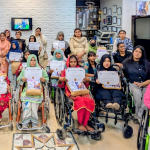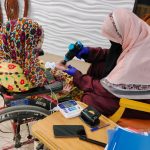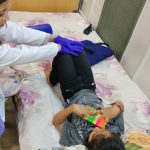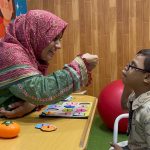


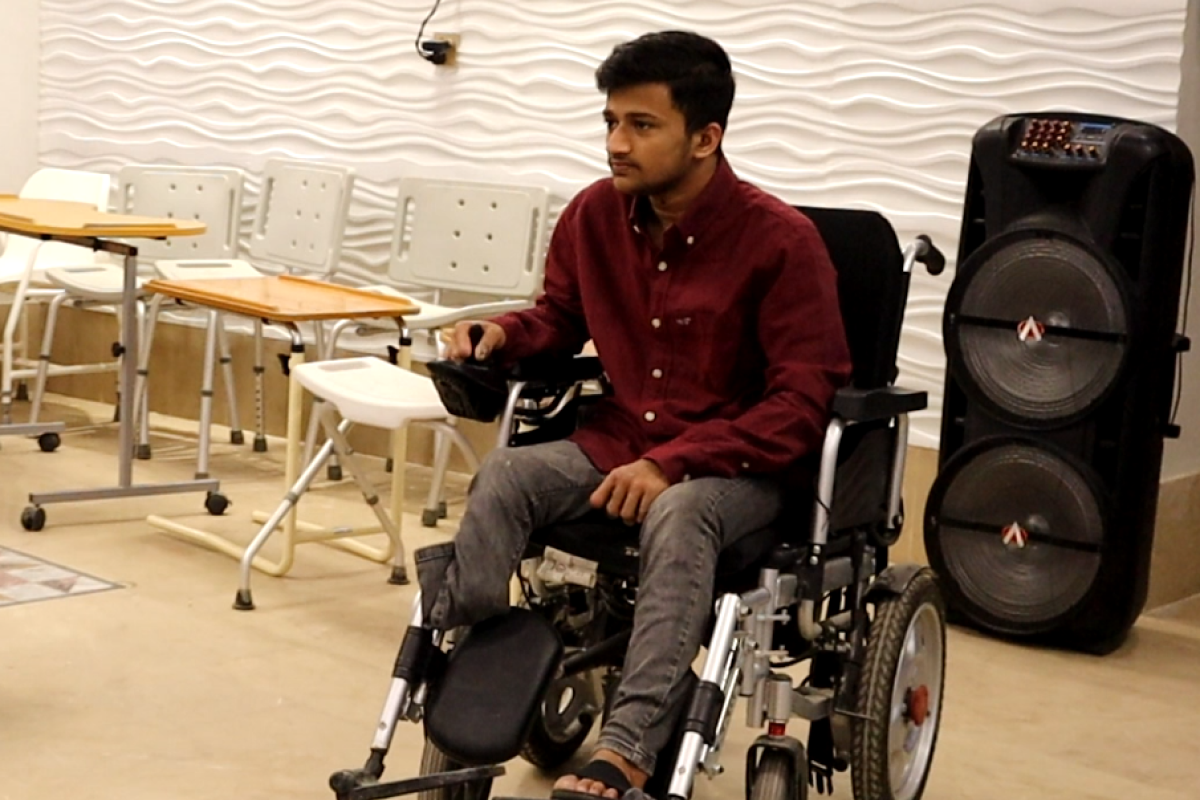
Rehabilitation for persons with disabilities extends far beyond physical recovery. Emotional well-being, cognitive development, and social inclusion are equally essential. Among innovative therapeutic approaches, music therapy has proven to be a powerful tool that combines creativity, rhythm, and structured intervention to support holistic rehabilitation.
Leading non-profit organizations in Pakistan have integrated music therapy into their rehabilitation programs, recognizing its capacity to enhance emotional expression, improve cognitive function, and foster social participation for individuals with disabilities.
Understanding Music Therapy
Music therapy is a clinical and evidence-based intervention where trained therapists use musical activities to address physical, emotional, cognitive, and social needs. It is not about producing perfect music or performance but about using music as a medium for healing, communication, and personal growth.
For persons with disabilities, music therapy provides:
- A non-verbal channel for expressing emotions
- A structured method to practice attention, memory, and coordination
- Opportunities for social engagement and teamwork
- A calming or motivating influence on emotional states
By tailoring activities to individual abilities, music therapy creates a supportive environment where progress is gradual but meaningful.
Cognitive Benefits of Music Therapy
Music therapy stimulates multiple areas of the brain simultaneously, which has significant cognitive advantages:
- Memory Enhancement
Learning rhythms, lyrics, or melodies strengthens memory recall. - Attention and Focus
Structured musical exercises require concentration and improve cognitive control. - Problem-Solving and Planning
Composing or improvising music promotes analytical thinking and creativity. - Language and Communication Skills
Singing or vocal exercises support speech development and verbal expression.
By engaging the mind actively, music therapy complements other rehabilitation programs such as physiotherapy and occupational therapy, creating a more holistic approach.
Emotional and Psychological Benefits
Music has a profound effect on mood and emotional regulation. For persons with disabilities, it provides a safe outlet for emotions that might otherwise be difficult to express.
Emotional Advantages Include:
- Reduced anxiety and stress
- Improved mood and motivation
- Enhanced self-esteem through accomplishment
- Greater resilience in facing daily challenges
- Opportunities for personal reflection and self-expression
Regular engagement with music therapy can lead to measurable improvements in emotional stability and overall mental health.
Group Participation Activities
Group-based music therapy fosters social interaction and teamwork. By participating in ensembles, choirs, or collaborative rhythm exercises, individuals learn cooperation, empathy, and communication.
Common Group Activities:
- Percussion Circles
Encourage synchronized rhythm and collaborative performance. - Choir Sessions
Enhance vocal skills while promoting social engagement. - Songwriting and Composition
Stimulates creativity and group decision-making. - Movement to Music
Integrates physical activity and coordination in a fun and motivating way.
These group activities build peer relationships, reduce social isolation, and provide opportunities for shared achievement.
Individualized Music Therapy Sessions
While group activities are valuable, personalized sessions address specific needs and goals of each participant. Trained music therapists design activities based on assessments of:
- Cognitive abilities
- Emotional needs
- Physical capacities
- Communication challenges
Individualized programs ensure that therapy remains effective, engaging, and aligned with rehabilitation objectives.
Integration with Other Rehabilitation Programs
Music therapy is most effective when integrated with other forms of rehabilitation. For example:
- Physiotherapy: Using rhythmic exercises to enhance movement coordination
- Occupational Therapy: Incorporating music to improve fine motor skills
- Speech Therapy: Using singing and vocalization to support articulation
- Psychological Counseling: Employing music to address anxiety, depression, or trauma
This holistic integration allows participants to experience multi-dimensional benefits, accelerating recovery and empowerment.
Measuring Rehabilitation Outcomes
Non-profit organizations often use structured monitoring and evaluation methods to measure the effectiveness of music therapy. Outcomes may include:
- Increased engagement in therapy sessions
- Improved cognitive and motor skill benchmarks
- Enhanced emotional resilience and mood stabilization
- Greater participation in social and community activities
- Positive feedback from families and caregivers
Documenting progress ensures therapy remains adaptive and responsive to each individual’s growth.
Accessibility and Inclusion in Music Therapy
Ensuring accessibility is a key focus in inclusive music therapy programs. Activities are adapted to meet a range of abilities:
- Specialized instruments for limited mobility
- Visual or tactile cues for participants with hearing or vision impairments
- Flexible session pacing and individualized support
- Use of technology, such as music apps and adaptive devices
These adaptations create equitable opportunities for participation and help maximize the therapeutic impact.
Long-Term Benefits of Music Therapy
Consistent engagement in music therapy yields enduring advantages:
- Strengthened cognitive abilities and learning skills
- Improved emotional well-being and coping strategies
- Increased social participation and communication
- Enhanced self-confidence and motivation
- Greater overall quality of life
Music therapy empowers individuals not only to rehabilitate but also to engage confidently in family, education, and community life.
Conclusion
Music therapy offered by non-profit organizations in Pakistan represents a holistic and human-centered approach to disability rehabilitation. By combining cognitive stimulation, emotional support, and social interaction, it addresses multiple dimensions of well-being.
For persons with disabilities, music therapy is more than an intervention; it is a pathway to self-expression, resilience, and inclusion. By integrating creative activity into rehabilitation, NGOs provide participants with opportunities to thrive, demonstrate their abilities, and participate meaningfully in society.
Music, in this context, becomes a language of empowerment, healing, and connection, strengthening minds, hearts, and communities alike.