

The digital economy is reshaping the global workforce, opening doors to flexible, skill-based, and remote employment. For every person with a disability, this transformation presents both opportunity and responsibility. While barriers to traditional employment still exist, Corporate Social Responsibility (CSR) initiatives are playing a pivotal role in expanding CSR Disability Employment IT opportunities for persons with disabilities (PWDs).
By aligning corporate resources with inclusive hiring goals and partnering with NGOs, companies are creating sustainable pathways toward economic empowerment and social inclusion.
Employment Challenges for Persons with Disabilities
Despite growing awareness, person with a disability continue to face significant employment barriers:
- Physical Accessibility Barriers
Many workplaces lack ramps, adaptive workstations, accessible restrooms, or transportation support. - Attitudinal Bias and Misconceptions
Employers may underestimate the capabilities of PWDs, assuming lower productivity or higher accommodation costs. - Limited Skill Development Opportunities
Access to quality IT education, certifications, and digital training remains uneven. - Communication Barriers
For individuals with hearing or speech impairments, limited workplace adaptation can restrict engagement. - Social Isolation and Confidence Gaps
Long-term exclusion from mainstream employment can affect confidence and professional readiness.
These challenges are not rooted in inability but in systemic gaps. CSR-driven initiatives are helping close these gaps by creating inclusive pathways within the CSR Disability Employment IT sector.
The Role of CSR in Disability Hiring
Corporate social responsibility is no longer limited to philanthropy. Today, CSR integrates sustainable business practices with social impact goals. CSR Disability Employment IT has become a strategic CSR priority for forward-thinking companies.
CSR initiatives support disability hiring by:
- Funding IT training programs for PWDs
- Establishing inclusive hiring policies
- Creating accessible digital work environments
- Providing mentorship and workplace support
- Partnering with NGOs for candidate sourcing and training
Companies recognize that inclusive hiring strengthens brand reputation, enhances workforce diversity, and contributes to long-term sustainability. When CSR is aligned with employment, it transforms lives while delivering measurable business value.
IT-Based Job Roles for Persons with Disabilities
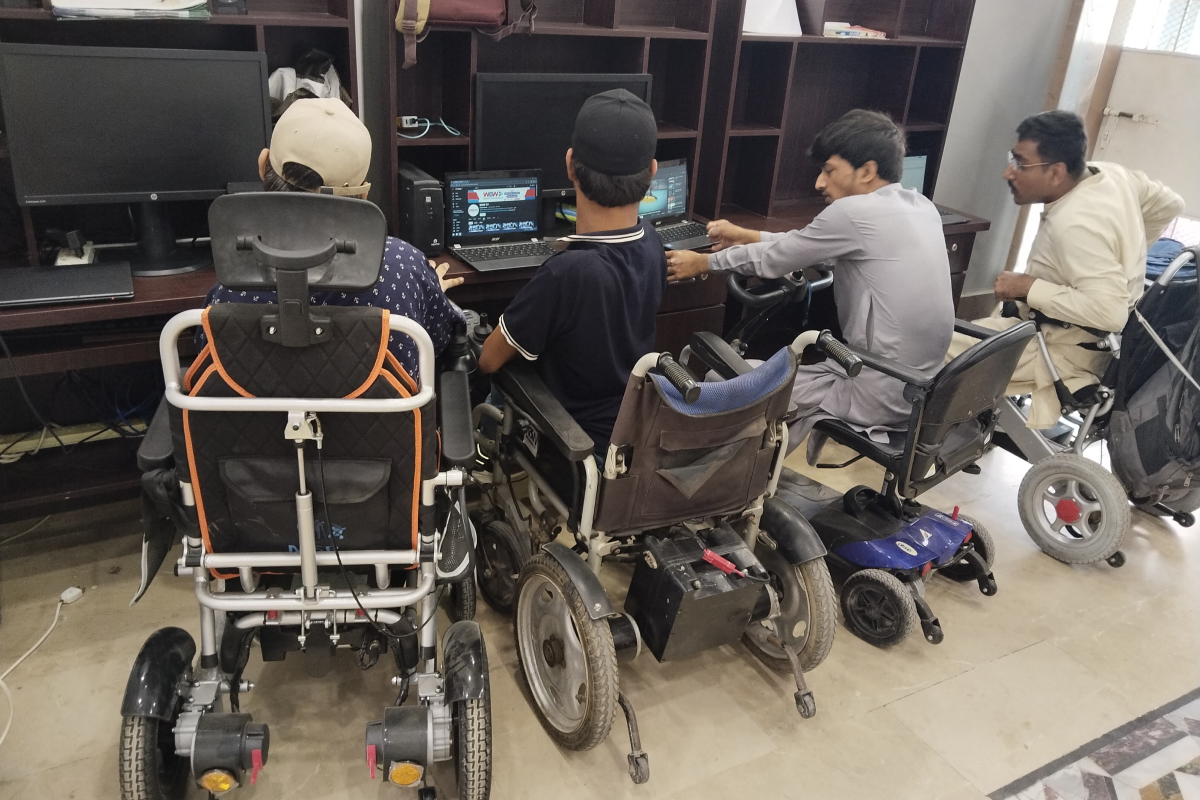
The IT sector offers flexibility, scalability, and remote opportunities, making it particularly suitable for PWD employment. CSR Disability Employment IT programs are facilitating placements in diverse roles, including:
1. Remote IT Support Roles
- Helpdesk assistance
- Technical troubleshooting
- Customer support (chat/email-based)
- System monitoring
These roles allow individuals to work from home, reducing mobility-related barriers.
2. Software Development & Coding
- Front-end and back-end development
- App development
- Website maintenance
- Quality assurance testing
With proper training, many PWDs excel in structured and detail-oriented coding environments.
3. Digital Content & Creative Roles
- Graphic design
- Video editing
- Social media management
- Content writing and digital marketing
Creative digital roles promote flexibility and skill-based evaluation rather than physical presence.
4. Data & Administrative Services
- Data entry and management
- Virtual assistance
- Research and documentation
- Analytics support
These positions emphasize precision, digital proficiency, and time management.
By leveraging technology, companies can design roles around ability rather than limitation.
Corporate–NGO Collaboration Model
One of the most effective approaches to disability employment is structured collaboration between corporations and NGOs.
Step 1: Skill Assessment and Training
NGOs identify potential candidates and provide targeted IT training, soft skills development, and workplace readiness programs.
Step 2: Corporate Engagement
Companies define inclusive hiring needs and allocate CSR funding to training, accessibility adjustments, or mentorship initiatives.
Step 3: Placement and Integration
Candidates are placed into roles aligned with their skills. Employers ensure reasonable accommodations and inclusive onboarding.
Step 4: Ongoing Support
NGOs provide post-placement mentoring, while companies conduct performance evaluations and career growth planning.
This model ensures that hiring is not symbolic but sustainable. It bridges the gap between training and long-term employment retention.
Employment Readiness and Workplace Adaptation
CSR-driven programs often include employment readiness components such as:
- Resume-building workshops
- Interview preparation sessions
- Workplace communication training
- Disability awareness training for corporate staff
- Assistive technology provision
Inclusive onboarding processes reduce anxiety for both employer and employee. When workplaces are prepared, integration becomes seamless.
Economic Empowerment and Financial Independence
Meaningful employment is a powerful driver of empowerment. IT-based jobs supported by CSR initiatives contribute to:
- Stable monthly income
- Reduced financial dependency on families
- Ability to invest in personal development
- Improved living standards
- Long-term career progression
Financial independence enhances dignity and self-worth. For many person with a disability, employment marks the transition from dependency to active contribution.
Social Empowerment and Confidence Building
Beyond financial stability, inclusive employment strengthens social identity.
PWDs who enter the IT workforce often report:
- Increased self-confidence
- Stronger professional networks
- Greater participation in community activities
- Improved mental well-being
- A renewed sense of purpose
When society recognizes the skills and contributions of a person with a disability, stereotypes begin to dissolve.
Business Benefits of Disability-Inclusive CSR
CSR Disability Employment is not only socially responsible, but it is also strategically beneficial.
Companies gain:
- Access to untapped talent pools
- Improved employee morale and diversity
- Stronger brand reputation
- Enhanced innovation through diverse perspectives
- Alignment with global ESG (Environmental, Social, Governance) standards
Inclusion is not charity; it is smart business.
The Future of Inclusive IT Employment
As digital transformation accelerates, remote and technology-driven roles will continue to expand. CSR initiatives can scale these opportunities by:
- Supporting advanced IT certifications
- Investing in assistive technologies
- Creating remote-first policies
- Encouraging entrepreneurship in tech
- Strengthening partnerships with disability-focused NGOs
The future workforce must be inclusive by design. Technology enables flexibility; CSR ensures access.
Conclusion
CSR Disability Employment IT initiatives are redefining employment opportunities for every person with a disability. By focusing on IT-based roles, corporate–NGO partnerships, and structured inclusion strategies, companies are creating sustainable pathways toward economic empowerment.
When businesses invest in inclusive hiring, they unlock talent, promote equality, and drive long-term impact. For person with a disability, IT employment supported by CSR is more than a job; it is a gateway to independence, dignity, and meaningful participation in the digital economy.