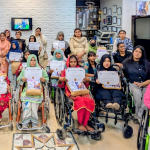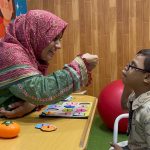


Emotional well-being is an essential part of overall health, yet it is often overlooked when discussing support for a person with a disability (PWD). While physical rehabilitation and skill development are critical, mental and emotional health play an equally important role in leading a balanced and fulfilling life. Among the various therapeutic approaches available today, art therapy has emerged as a powerful and inclusive method of emotional healing.
Art therapy does not require artistic talent. Instead, it uses creative expression as a tool for communication, reflection, and psychological growth. For many persons with disabilities, it offers a safe space to process feelings, build confidence, and strengthen social connections.
Understanding Mental Health Challenges
A person with a disability may experience unique emotional and psychological challenges due to societal barriers, stigma, accessibility limitations, and reduced opportunities for participation. These challenges can sometimes lead to:
- Feelings of isolation
- Low self-esteem
- Anxiety about social situations
- Depression linked to dependency
- Frustration from communication barriers
In addition to external pressures, internal struggles such as self-doubt or fear of judgment may further affect emotional stability. When mental health needs are not addressed, they can impact motivation, learning ability, and social engagement.
This is where therapeutic interventions like art therapy can make a meaningful difference.
What Is Art Therapy?
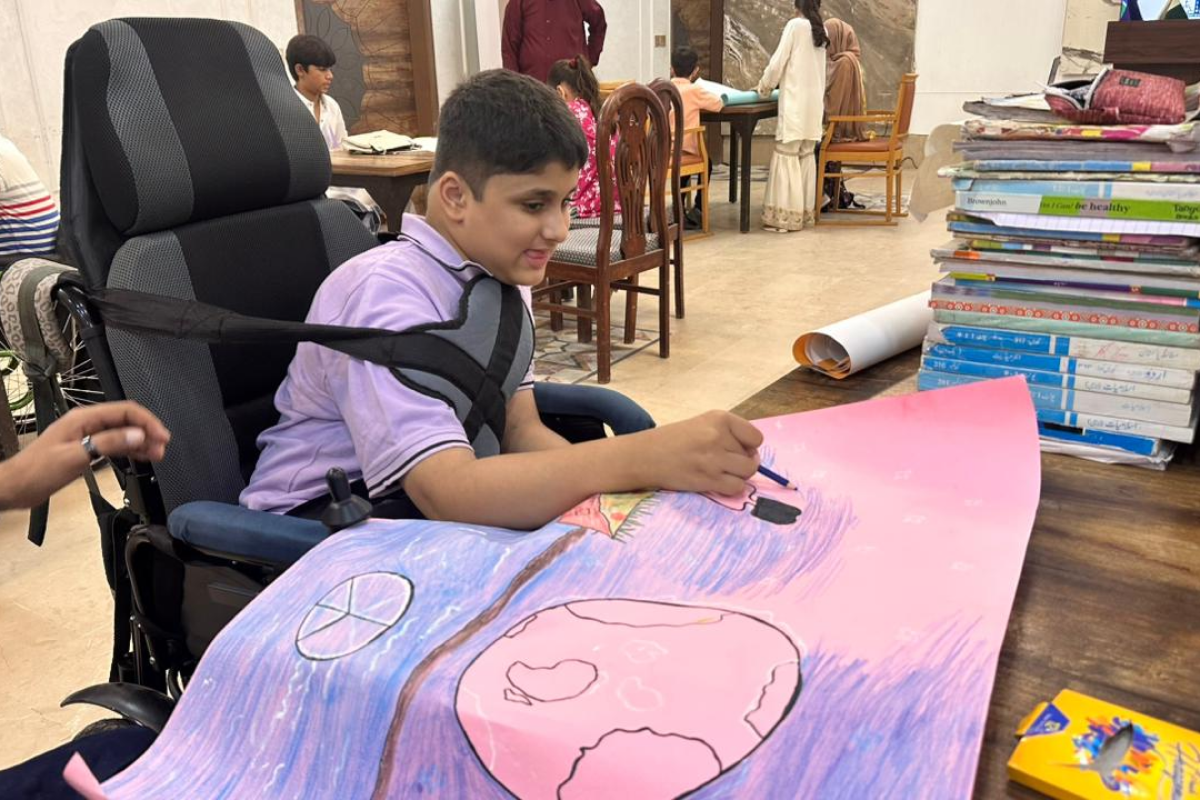
Art therapy is a structured therapeutic approach that uses creative processes such as drawing, painting, sculpting, and crafting to improve emotional and psychological well-being. Guided by trained facilitators or therapists, individuals explore their feelings through visual expression rather than relying solely on verbal communication.
For many persons with disabilities, particularly those who face communication challenges, art becomes a language of its own. It allows thoughts and emotions to surface naturally without pressure.
The focus of art therapy is not on producing perfect artwork but on the process of creation. The act of engaging in creative activity often brings calmness, clarity, and emotional release.
Common Art Therapy Activities for PWD
Art therapy programs can be adapted to suit various physical, cognitive, and sensory abilities. Activities are typically designed to encourage creativity while remaining accessible and inclusive.
1. Drawing and Painting
Simple sketching or watercolor painting allows individuals to express moods and experiences visually. Colors often represent emotions, helping therapists understand feelings that may not be easily verbalized.
2. Clay Modeling and Sculpting
Working with clay strengthens fine motor skills while offering a tactile sensory experience. Sculpting shapes can symbolize personal stories or aspirations.
3. Collage Creation
Using magazines, fabric, or textured materials to create collages encourages imagination and storytelling. It also helps develop focus and decision-making skills.
4. Mandala and Pattern Art
Structured patterns and repetitive designs promote relaxation and mindfulness. These activities are particularly helpful in reducing anxiety.
5. Group Art Projects
Collaborative murals or shared crafts enhance teamwork and social engagement while fostering a sense of belonging.
Each activity can be modified to accommodate mobility limitations or sensory sensitivities, ensuring that every participant can engage comfortably.
Emotional Expression and Healing Benefits
One of the greatest strengths of art therapy is its ability to support emotional expression without requiring complex language skills. For a person with a disability, especially those with speech or cognitive challenges, creative outlets can provide relief and clarity.
Key Emotional Benefits Include:
- Stress Reduction
Creative engagement lowers stress hormones and promotes relaxation. - Improved Self-Esteem
Completing artwork builds a sense of achievement and pride. - Emotional Release
Suppressed feelings can be expressed safely through imagery. - Increased Self-Awareness
Reflection on artwork helps individuals understand their emotions better. - Positive Identity Development
Art encourages individuals to see themselves as capable and creative.
Over time, consistent participation in art therapy strengthens emotional resilience and coping skills.
Supporting Social Interaction and Communication
Social isolation is a common challenge for persons with disabilities. Art therapy, particularly in group settings, encourages meaningful interaction in a relaxed environment.
Group sessions promote:
- Cooperative teamwork
- Shared storytelling
- Mutual encouragement
- Respect for diverse perspectives
- Improved listening skills
When individuals present or discuss their artwork, they practice communication in a supportive space. This gradually reduces social anxiety and builds interpersonal confidence.
Art becomes a bridge connecting individuals not only to their inner emotions but also to others around them.
Building Confidence Through Creative Achievement
Confidence grows when individuals see tangible results of their efforts. Displaying artwork in exhibitions, community events, or family gatherings reinforces a sense of value and recognition.
Recognition, even at a small scale, helps a person with a disability feel acknowledged for talent and effort rather than defined by limitations. This shift in perception strengthens overall self-worth.
Creative accomplishments also inspire motivation to participate in other life areas, including education, vocational training, and community activities.
Art Therapy and Routine Mental Wellness
Beyond emotional release, art therapy contributes to routine mental wellness. Structured sessions provide consistency and purpose. Engaging in creative work improves concentration, patience, and problem-solving skills.
Additionally, art activities stimulate cognitive processes such as memory, planning, and sequencing. For individuals with developmental or neurological conditions, this cognitive stimulation can complement other rehabilitation efforts.
When integrated into holistic support programs, art therapy enhances overall mental health sustainability.
Role of Family and Caregivers
Family involvement strengthens the impact of art therapy. When caregivers participate or encourage creative expression at home, therapy extends beyond structured sessions.
Parents and family members can:
- Provide safe creative spaces at home
- Display artwork proudly
- Encourage open conversations about emotions
- Celebrate artistic milestones
This supportive environment reinforces emotional growth and strengthens family bonds.
Long-Term Impact on Emotional Well-Being
The long-term effects of art therapy go beyond temporary mood improvement. With consistent engagement, individuals often demonstrate:
- Better emotional regulation
- Greater social confidence
- Stronger coping mechanisms
- Reduced feelings of isolation
- Enhanced life satisfaction
For a person with a disability, these emotional improvements contribute directly to independence and participation in society.
Art therapy empowers individuals to view themselves as expressive, capable, and valuable members of their communities.
Conclusion
Art Therapy PWD offers a compassionate and effective pathway to emotional healing for a person with a disability. By addressing mental health challenges through accessible creative expression, it nurtures self-confidence, improves social interaction, and strengthens emotional resilience.
Through drawing, painting, sculpting, and collaborative projects, individuals discover new ways to communicate and connect. More importantly, they rediscover their inner strengths.
Emotional well-being is not a luxury; it is a fundamental part of inclusive support. Art therapy ensures that healing is not only clinical but also creative, human-centered, and empowering.