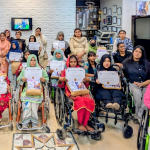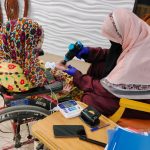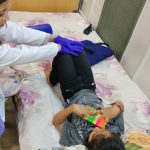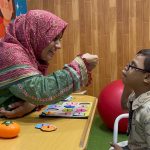


For persons with disabilities, the ability to manage everyday activities independently can significantly influence confidence, dignity, and long-term inclusion. Daily living therapy programs are designed to strengthen these essential life skills in structured and supportive environments.
As a recognized NGO in Pakistan, many organizations working in rehabilitation and disability inclusion have developed structured daily living therapy models that focus on ability enhancement rather than limitation. These programs aim to build independence step by step while respecting individual pace and potential.
Understanding Daily Living Therapy
Daily living therapy refers to structured therapeutic interventions that help individuals perform essential everyday tasks independently. These tasks include personal hygiene, dressing, eating, mobility, communication, and basic household responsibilities.
Rather than treating disability as a fixed barrier, daily living therapy focuses on skill-building and adaptation. It empowers individuals to:
- Manage personal care independently
- Navigate home and community environments safely
- Participate confidently in social settings
- Reduce reliance on caregivers
The core philosophy behind daily living therapy is practical independence. Small, consistent improvements in daily routines often create life-changing results over time.
Core Objectives of Daily Living Therapy Programs
Well-structured programs offered by leading NGOs are guided by measurable objectives.
Primary Goals Include:
- Functional Skill Development
Strengthening physical and cognitive abilities needed for routine activities. - Confidence Building
Encouraging self-reliance through gradual skill mastery. - Safety Awareness
Teaching risk prevention in home and community environments. - Adaptive Skill Integration
Introducing assistive tools for improved independence. - Family Engagement
Training caregivers to support without fostering dependency.
By focusing on practical goals, these programs create visible improvements in daily functioning.
Therapy Techniques Used in Daily Living Programs
Daily living therapy incorporates a variety of structured techniques depending on the individual’s needs.
Commonly Used Techniques:
- Task Analysis Training
Breaking complex tasks into manageable steps. - Repetition & Guided Practice
Reinforcing learning through structured repetition. - Adaptive Equipment Training
Teaching the use of assistive devices for mobility or self-care. - Cognitive Skill Enhancement
Improving memory, attention, and problem-solving abilities. - Environmental Modification
Adjusting home settings to increase accessibility and safety.
These techniques ensure that therapy remains practical, personalized, and measurable.
Improving Self-Care and Personal Independence
Self-care is one of the most critical areas addressed in daily living therapy. Mastery of personal hygiene, dressing, grooming, and feeding contributes directly to dignity and autonomy.
Therapists work closely with individuals to develop:
- Independent bathing and grooming routines
- Dressing techniques adapted to mobility levels
- Safe eating and utensil handling skills
- Time management for daily tasks
Small improvements in self-care significantly reduce dependency and enhance personal confidence. When individuals gain control over their daily routines, their emotional well-being also improves.
Home and Community Integration
Daily living therapy extends beyond clinical settings. Recognized NGOs in Pakistan often conduct home assessments to ensure therapy gains translate into real-life environments.
Programs may include:
- Home safety evaluations
- Kitchen and bathroom accessibility adjustments
- Community mobility training
- Public interaction practice
This real-world application ensures therapy outcomes are sustainable and practical.
Individualized Therapy Planning
Each person’s needs, strengths, and challenges are unique. Effective NGOs prioritize individualized therapy plans.
Planning Process Typically Includes:
- Comprehensive functional assessment
- Goal-setting in collaboration with families
- Short-term and long-term milestone mapping
- Regular performance reviews
- Plan adjustments based on progress
Individualized planning ensures therapy remains relevant, achievable, and motivating.
Program Monitoring and Evaluation
Monitoring and evaluation are essential to maintaining quality and measurable impact.
Professional NGOs implement structured evaluation systems that include:
- Baseline functional assessments
- Progress tracking charts
- Therapist observation reports
- Family feedback sessions
- Periodic outcome reviews
Data-driven monitoring allows therapists to refine techniques and adjust goals when necessary. It also ensures transparency and accountability within rehabilitation services.
Multidisciplinary Collaboration
Daily living therapy often involves collaboration between occupational therapists, physiotherapists, psychologists, and social workers. This multidisciplinary approach ensures that both physical and psychosocial needs are addressed.
For example, while occupational therapists focus on task performance, physiotherapists may strengthen mobility, and psychologists may support emotional resilience. This coordinated strategy leads to comprehensive progress rather than isolated improvement.
Long-Term Impact and Sustainable Independence
The long-term benefits of structured daily living therapy programs extend beyond immediate skill acquisition.
Over time, individuals often experience:
- Greater self-confidence
- Reduced caregiver dependency
- Improved social participation
- Increased readiness for vocational training
- Enhanced overall quality of life
When daily living skills become consistent habits, they lay the foundation for further independence, including education, employment, and financial participation.
Conclusion
Daily living therapy disability programs offered by recognized NGOs in Pakistan reflect a commitment to empowerment rather than charity. By focusing on structured skill development, personalized planning, careful monitoring, and real-world application, these programs support persons with disabilities in achieving meaningful independence.
Through patient guidance, professional expertise, and consistent evaluation, daily living therapy transforms everyday challenges into achievable milestones. In doing so, it strengthens dignity, autonomy, and inclusion, core principles at the heart of responsible disability support services.