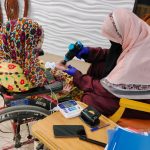


Financial independence is more than earning money; it is about dignity, decision-making power, and self-reliance. For persons with disabilities, structured disability support services play a transformative role in creating pathways toward sustainable income and economic participation. These services remove systemic barriers, build capacity, and provide practical tools that enable individuals to move from dependency to empowered contribution.
Below is a comprehensive exploration of how disability support services directly lead to financial independence.
Understanding Disability Support Services
Disability support services encompass structured programs, professional interventions, and community initiatives designed to assist persons with disabilities in leading productive, self-directed lives. These services are not limited to medical care; they include vocational training, rehabilitation, counseling, assistive technology, legal advocacy, and employment facilitation.
Their primary purpose is to reduce environmental, social, and economic barriers. Instead of viewing disability as a limitation, modern support frameworks focus on ability enhancement. When services are person-centered and inclusive, they empower individuals to build sustainable income sources and participate actively in the economy.
Core Types of Support Services
Disability support services are multi-dimensional and address different aspects of personal and professional development.
Key Service Categories:
- Rehabilitation Services
Physical and occupational therapies improve functional capacity and workplace readiness. - Vocational Training Programs
Skill-based training aligned with market demands enhances employability. - Career Counseling & Job Placement
Professional guidance connects individuals with inclusive employers. - Assistive Technology Provision
Devices and adaptive tools increase productivity and independence. - Psychosocial Support
Counseling builds confidence and emotional resilience for workplace success.
When combined, these services create a structured bridge between ability development and financial opportunity.
From Skills Development to Employment Pathways
Financial independence begins with market-relevant skills. Disability support services often include technical training, digital literacy programs, communication skill development, and entrepreneurship coaching.
Employment Pathway Process:
- Assessment of Strengths & Interests
Individual evaluations identify talents and suitable career directions. - Customized Skill Training
Training programs are tailored to functional capabilities and goals. - Workplace Exposure & Internships
Practical experience prepares individuals for real job environments. - Employer Partnerships
Collaboration with inclusive companies increases hiring opportunities. - Ongoing Job Retention Support
Mentorship ensures long-term employment sustainability.
This structured pathway ensures that skills are not isolated achievements but translate into meaningful income.
Micro-Income and Entrepreneurship Opportunities
Not every individual follows traditional employment routes. Many disability support programs encourage micro-income generation and entrepreneurship, offering flexible earning opportunities.
Common Micro-Income Options:
- Home-based craft production
- Online freelancing or digital services
- Small retail kiosks
- Livestock or agricultural activities
- Mobile repair and technical services
Microfinance support, business mentoring, and financial literacy training significantly increase success rates. Entrepreneurship allows individuals to control their work environment, adapt tasks to their comfort level, and gradually scale their income.
Social Protection and Economic Empowerment
Social protection systems are essential stepping stones toward financial independence. While long-term independence is the goal, short-term assistance provides stability during skill development and employment searches.
Empowerment Through Protection:
- Disability allowances provide financial stability.
- Subsidized training reduces financial burden.
- Accessible transport support increases job access.
- Health coverage prevents income disruption.
Rather than creating dependency, well-structured protection systems build confidence and allow individuals to take calculated economic risks.
Workplace Accessibility and Inclusion
Employment opportunities are only meaningful when workplaces are accessible and inclusive. Disability support services often advocate for structural and attitudinal change within organizations.
Accessible workspaces may include ramps, adaptive software, flexible schedules, or modified equipment. Inclusive hiring policies ensure equal opportunities. Sensitization workshops for employers reduce stigma and promote understanding.
When employers recognize ability instead of focusing on disability, sustainable employment becomes achievable. Inclusion benefits not only individuals but also organizations through diverse talent and innovative perspectives.
Financial Literacy and Resource Management
Earning income is only part of financial independence. Managing resources effectively ensures long-term stability.
Disability support programs increasingly integrate financial literacy modules covering budgeting, savings, small investment planning, and digital banking usage. These skills help individuals protect earnings, avoid exploitation, and build economic resilience.
Financial education strengthens decision-making power and reinforces independence beyond employment.
Community-Based Support and Peer Networks
Community support systems play a crucial role in economic empowerment. Peer networks offer mentorship, shared experiences, and collaborative opportunities.
Group enterprises and cooperative models allow individuals to pool skills and resources. Support groups also foster motivation and accountability. When communities actively promote inclusion, economic participation becomes normalized rather than exceptional.
Collective empowerment accelerates individual financial growth.
Long-Term Economic Participation Benefits
Financial independence creates ripple effects beyond personal income. It enhances self-esteem, strengthens family stability, and reduces poverty cycles. Economically active individuals contribute to national productivity and community development.
Long-term outcomes include:
- Increased self-confidence and autonomy
- Reduced social dependency
- Improved family living standards
- Broader societal inclusion
- Economic diversification through inclusive workforce participation
Ultimately, disability support services are investments, not expenses. When structured effectively, they transform potential into productivity and barriers into bridges.
Conclusion
Disability support services are foundational to achieving financial independence for persons with disabilities. Through skill development, employment pathways, micro-enterprise opportunities, social protection, accessibility advocacy, and financial literacy education, these services create comprehensive systems of empowerment.
Financial Independence Disabled is not a single milestone but a progressive journey. With inclusive strategies and sustained support, persons with disabilities can achieve economic self-reliance, dignity, and meaningful participation in society.
True empowerment begins when support services shift from charity-based models to rights-based, opportunity-driven frameworks, ensuring that every individual has the chance to earn, grow, and thrive.