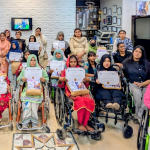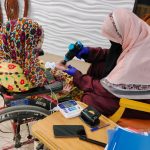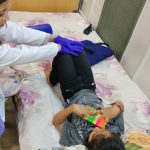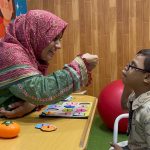


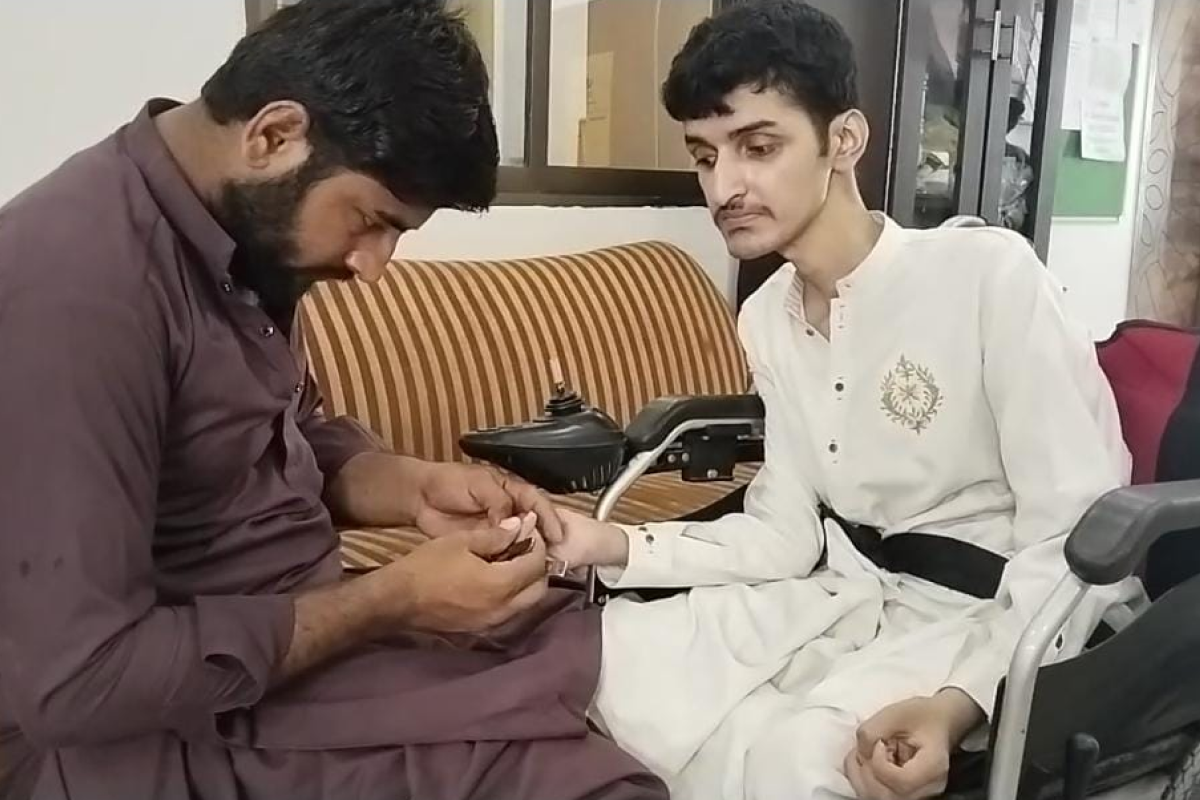
The Independent Living Philosophy is built on dignity, autonomy, and equal participation for persons with disabilities (PWDs). It emphasizes that individuals should have control over their own lives, decisions, and daily routines while receiving the right kind of support. Physiotherapy plays a vital role in transforming this philosophy into practical outcomes by restoring mobility, preventing complications, and strengthening functional independence.
At the Pakistan Independent Living Centre (PILC), physiotherapy programs are structured to align directly with the Independent Living Philosophy, ensuring that rehabilitation promotes empowerment rather than dependency.
Understanding the Independent Living Philosophy
The Independent Living Philosophy centers on the belief that disability does not diminish a person’s right to autonomy. It shifts the focus from limitations to possibilities and emphasizes capability over dependency.
Core principles include:
- Self-determination in personal decisions
- Equal access to education and employment
- Active participation in community life
- Respect for dignity and human rights
- Support systems that enhance independence
This philosophy encourages professional services that enable individuals to function confidently while maintaining control over their lives.
Role of Physiotherapy in Mobility Restoration
Mobility is a foundation of independence. When individuals regain movement and physical control, they can perform daily tasks with greater confidence.
Physiotherapy supports mobility by:
- Strengthening weakened muscles
- Improving joint flexibility and coordination
- Enhancing balance and posture
- Supporting walking and transfer skills
- Promoting endurance for daily activities
Through structured exercise programs and guided interventions, physiotherapy helps individuals rebuild physical abilities that are essential for independent living.
Physical Rehabilitation and Functional Recovery
Physical rehabilitation is not only about improving strength; it is about restoring function. Physiotherapy addresses challenges resulting from conditions such as spinal cord injuries, stroke, cerebral palsy, and musculoskeletal disorders.
PILC rehabilitation programs are personalized. Therapists assess physical limitations, design tailored exercise plans, and gradually increase activity levels. The goal is to improve the ability to perform essential tasks such as sitting, standing, walking, and self-care activities.
Functional recovery directly supports independent living by reducing reliance on others and increasing self-confidence.
Preventing Secondary Complications
One of the most important yet often overlooked roles of physiotherapy is prevention. Without proper rehabilitation, individuals with disabilities may develop secondary complications that limit independence.
Physiotherapy helps prevent:
- Muscle stiffness and contractures
- Pressure sores due to immobility
- Joint deformities
- Chronic pain conditions
- Reduced cardiovascular endurance
By addressing these risks early, physiotherapy ensures long-term stability and health, allowing individuals to maintain independence over time.
Therapy Planning and Personalized Care
Effective physiotherapy begins with a structured and individualized care plan.
The therapy planning process includes:
- Comprehensive physical assessment
- Identification of short-term and long-term goals
- Customized exercise program design
- Integration of assistive devices where necessary
- Education for family members and caregivers
Personalized planning ensures that rehabilitation aligns with the individual’s lifestyle, aspirations, and functional needs.
Monitoring Progress and Adjusting Interventions
Independent living requires continuous improvement and adaptability. Physiotherapy programs include regular progress monitoring to ensure measurable outcomes.
Progress tracking involves:
- Periodic mobility assessments
- Strength and flexibility measurements
- Functional performance evaluations
- Adjustments to therapy intensity
- Reviewing independence milestones
This systematic approach ensures that therapy evolves with the individual’s improvement and addresses emerging challenges effectively.
Enhancing Autonomy Through Movement
Movement is closely tied to autonomy. When individuals regain physical control, they gain the ability to make choices about their daily activities.
Improved mobility allows individuals to:
- Perform personal care independently
- Navigate home and community spaces
- Participate in educational programs
- Access employment opportunities
- Engage in social and recreational activities
Physiotherapy directly strengthens the physical foundation required for these independent decisions and actions.
Restoring Dignity and Self-Confidence
The Independent Living Philosophy is deeply connected to dignity. When individuals rely heavily on others for basic tasks, emotional well-being may suffer. Physiotherapy restores a sense of control, which enhances psychological resilience.
As physical abilities improve, individuals often experience greater self-esteem and reduced anxiety. Achieving small rehabilitation milestones such as standing independently or walking short distances can significantly boost confidence.
PILC physiotherapy is delivered with respect and encouragement. Therapists understand that emotional support is as important as physical rehabilitation in achieving meaningful independence.
Conclusion
Physiotherapy is a powerful tool in supporting the Independent Living Philosophy. By restoring mobility, preventing complications, implementing personalized care plans, and monitoring long-term progress, it empowers persons with disabilities to live self-directed and dignified lives.
The Pakistan Independent Living Centre (PILC) integrates professional physiotherapy for disabled services with a strong commitment to independence and inclusion. Through structured rehabilitation programs, individuals gain the strength, skills, and confidence needed to participate fully in society.
If you or a loved one is seeking rehabilitation that promotes autonomy rather than dependency:
👉 Contact PILC today to learn more about physiotherapy services.
👉 Enroll in our rehabilitation programs and take the next step toward independent living.
Independent living is not achieved by removing support; it is achieved by providing the right support in the right way.