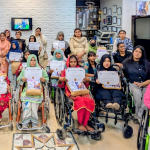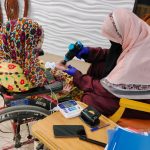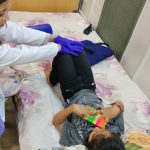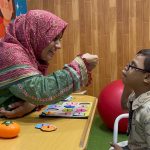


Independent living is a powerful concept that promotes dignity, autonomy, and participation for persons with disabilities (PWDs). It ensures that individuals are not defined by their limitations but supported in achieving meaningful engagement in daily life. Occupational therapy plays a central role in turning this concept into a practical reality by strengthening functional skills and adapting environments for long-term independence.
At the Pakistan Independent Living Centre (PILC), occupational therapy programs are designed to empower individuals with disabilities to manage daily activities confidently while maintaining control over their choices and routines.
Understanding the Concept of Independent Living
Independent living means having the freedom to make personal decisions and manage daily routines with appropriate support. It does not imply living without assistance; instead, it emphasizes control, choice, and active participation in society.
For persons with disabilities, independent living includes:
- Managing personal care independently
- Participating in education or employment
- Engaging in social and community life
- Making informed decisions about daily activities
This philosophy shifts focus from dependency to capability, ensuring that individuals remain central decision-makers in their own lives.
What Is Occupational Therapy?
Occupational therapy (OT) is a professional rehabilitation service that helps individuals develop, recover, or maintain the skills needed for everyday activities. The term “occupation” refers to meaningful tasks such as self-care, work, education, and leisure.
Occupational therapists assess physical, cognitive, and environmental challenges, then design personalized interventions that improve functional independence. Rather than focusing only on medical recovery, OT emphasizes real-life performance and practical ability.
PILC, occupational therapy is structured to promote empowerment. Therapy sessions are goal-oriented and customized to each individual’s needs, ensuring measurable progress toward independence.
Core Goals of Occupational Therapy
Occupational therapy supports independent living by focusing on:
- Improving fine motor skills and coordination
- Enhancing balance and posture
- Strengthening cognitive planning and problem-solving
- Increasing participation in daily routines
- Building confidence through skill mastery
These goals are aligned with helping individuals function effectively at home, in workplaces, and within communities.
Functional Skill Development
Functional skills are the building blocks of independence. Occupational therapy addresses everyday activities that many individuals may struggle with due to disability.
Therapy programs often focus on:
- Dressing and grooming independently
- Eating and meal preparation
- Writing, typing, or using assistive tools
- Managing household tasks
- Time management and routine planning
Through guided repetition and structured practice, individuals gradually gain confidence and control over these essential activities.
Home Environment Adaptation
Sometimes independence is limited not by ability but by surroundings. Occupational therapy includes environmental assessment to ensure homes are safe and accessible.
Home adaptations may include:
- Installing grab bars and safety supports
- Rearranging furniture for wheelchair access
- Adjusting kitchen or bathroom layouts
- Recommending assistive devices for daily tasks
- Improving lighting and accessibility features
These modifications reduce risks, increase safety, and allow individuals to move confidently within their own homes.
Workplace Adaptation and Productivity
Economic participation is a key aspect of independent living. Occupational therapy supports individuals in accessing and sustaining employment by identifying workplace barriers and recommending practical solutions.
Therapists may suggest ergonomic seating, adaptive keyboards, assistive communication tools, or task modifications that improve efficiency. Training is also provided to enhance concentration, coordination, and endurance for job performance.
By addressing workplace challenges, occupational therapy helps persons with disabilities become productive contributors, strengthening financial independence and self-esteem.
Psychological and Social Benefits
Beyond physical improvement, occupational therapy has meaningful emotional and social impacts.
These benefits include:
- Increased self-confidence
- Reduced dependence on caregivers
- Improved social interaction
- Greater participation in community events
- Enhanced motivation and emotional resilience
As individuals regain control over daily tasks, they feel more empowered and connected to society.
Long-Term Independence Outcomes
Sustainable independence requires consistent progress and long-term planning. Occupational therapy ensures that improvements are not temporary but integrated into everyday life.
Long-term outcomes include improved self-care abilities, greater mobility confidence, active engagement in employment or education, and enhanced decision-making skills. Periodic evaluations help adjust therapy plans as individuals grow and their needs evolve.
PILC, long-term independence is the ultimate objective. Therapy programs are structured to build lasting skills that continue to benefit individuals beyond formal sessions.
Conclusion
Occupational therapy is a vital pathway to achieving independent living for persons with disabilities. By improving functional skills, adapting environments, and supporting workplace participation, it empowers individuals to lead dignified and self-directed lives.
The Pakistan Independent Living Centre (PILC) provides professional occupational therapy services focused on autonomy, safety, and long-term empowerment. Through structured rehabilitation and personalized care plans, individuals gain the tools needed to participate confidently in daily life.
If you or a loved one is seeking support to achieve independent living:
👉 Contact PILC today to learn more about occupational therapy services.
👉 Enroll in our rehabilitation programs and begin your journey toward independence.
Independent living becomes achievable when professional guidance meets determination and opportunity.