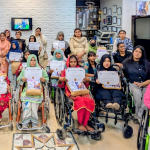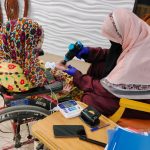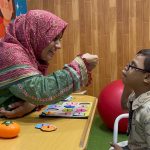


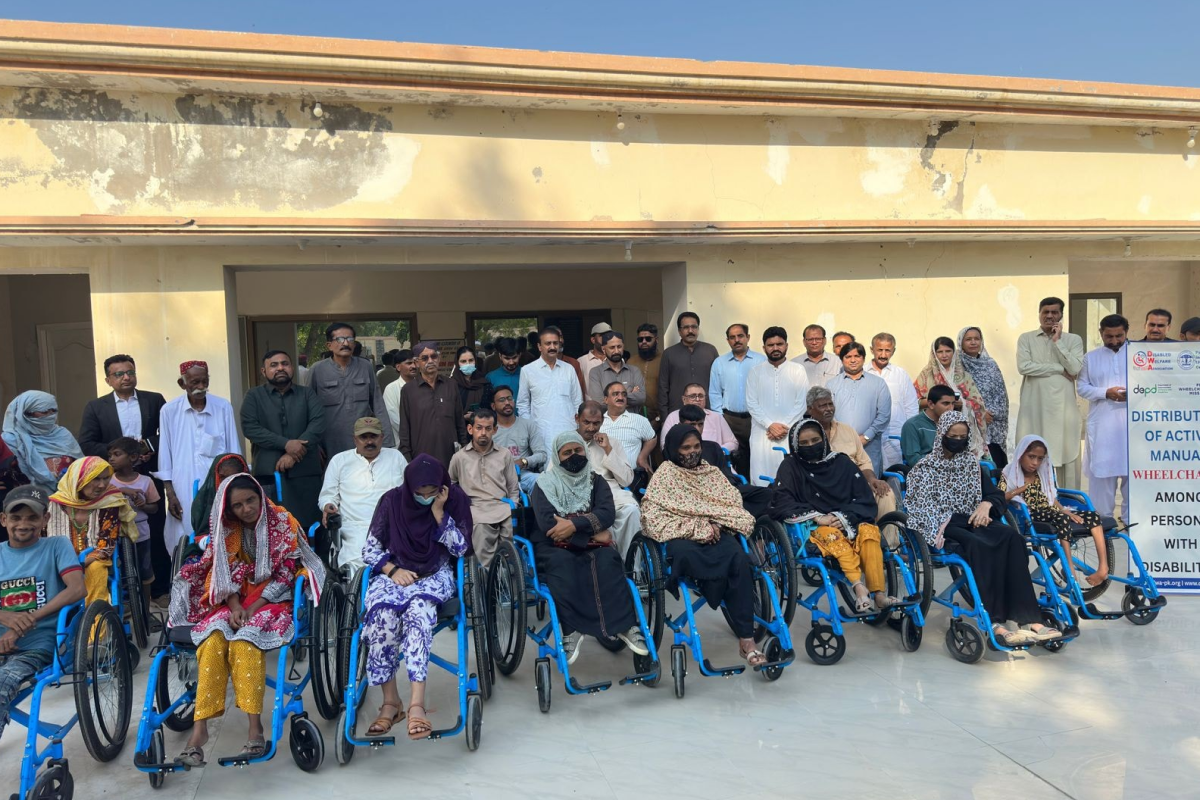
For persons with disabilities (PWDs), independence is not simply about mobility; it is about choice, dignity, and the ability to participate fully in everyday life. Many individuals require structured daily assistance to perform essential activities safely and confidently. An Independent Living Centre bridges this gap by providing professional support services that empower disabled individuals while preserving their autonomy.
In Pakistan, the Pakistan Independent Living Centre (PILC) operates as a dedicated Independent Living Centre committed to delivering reliable daily disability support services. Through trained attendants, personalized care plans, and community-based assistance, PILC ensures that persons with disabilities receive the help they need without compromising their independence or self-respect.
What Is an Independent Living Centre?
An Independent Living Centre (ILC) is a community-based organization designed to support persons with disabilities in leading self-directed lives. Unlike institutional care facilities, an ILC focuses on empowerment rather than dependency.
Key characteristics of an Independent Living Centre include:
- Promoting autonomy and informed decision-making
- Providing practical daily living assistance
- Supporting social inclusion and community participation
- Encouraging skill development and confidence building
- Offering peer support and advocacy
The philosophy behind an Independent Living Centre is rooted in dignity. It acknowledges that while some individuals may require assistance, they still have the right to control their routines, goals, and personal choices.
PILC’s approach aligns with this empowerment model, ensuring that support enhances independence rather than replacing it.
Understanding Disability Daily Support
Disability daily support refers to structured assistance provided to individuals with disabilities to help them manage routine activities. This support is tailored to individual needs and may vary depending on physical, sensory, or cognitive challenges.
Daily support does not mean constant supervision. Instead, it focuses on enabling individuals to:
- Perform personal care tasks safely
- Maintain mobility and physical stability
- Communicate effectively
- Manage household routines
- Participate in social and community life
When delivered professionally, daily support reduces risks, enhances safety, and fosters independence. It ensures that individuals can function confidently within their homes, workplaces, and communities.
Types of Daily Support Services
An Independent Living Centre provides comprehensive assistance across multiple aspects of daily life.
1. Personal Care Support
Personal care assistance helps individuals manage essential hygiene and self-care activities, including:
- Grooming and dressing
- Bathing and toileting
- Feeding assistance where required
- Medication reminders
The goal is not to take over these tasks but to assist in ways that maintain personal dignity and independence.
2. Mobility Assistance
Mobility challenges can limit access to education, employment, and social engagement. Daily mobility support may include:
- Assistance with walking or transfers
- Wheelchair navigation and positioning
- Safe movement within home environments
- Support during outdoor visits or appointments
Trained attendants ensure mobility support is provided safely while encouraging individuals to strengthen their abilities.
3. Communication Support
For individuals with speech or communication difficulties, daily support may involve:
- Assisting with communication devices
- Facilitating interaction with family or community members
- Supporting written or digital communication
- Encouraging expressive participation in daily conversations
Effective communication enhances confidence and prevents social isolation.
4. Routine and Household Assistance
Maintaining daily routines promotes structure and emotional stability. Routine support can include:
- Light household task assistance
- Meal preparation support
- Appointment scheduling
- Time management assistance
This type of support ensures that individuals remain active participants in their own lives rather than passive recipients of care.
The Role of Trained Attendant
A key component of any Independent Living Centre is its trained support staff. Attendants are not simply caregivers; they are facilitators of independence.
At PILC, attendants are trained in:
- Safe mobility techniques
- Basic rehabilitation awareness
- Communication sensitivity
- Disability rights and dignity principles
- Emergency response procedures
Their role is guided by respect. They provide support while encouraging skill development and decision-making. Rather than fostering dependency, trained attendants promote capability.
Professional training ensures:
- Reduced risk of injury
- Improved safety standards
- Respectful and ethical service delivery
- Consistent quality of care
This structured approach distinguishes professional daily support from informal assistance.
Impact on Families
Disability daily support services benefit not only individuals but also their families.
Many families carry significant caregiving responsibilities, often balancing employment, financial pressure, and emotional stress. Without structured assistance, caregivers may experience burnout.
Independent Living Centres provide:
- Respite for family caregivers
- Professional supervision for complex needs
- Peace of mind regarding safety
- Emotional reassurance
When families receive relief, they can focus on meaningful interactions rather than constant caregiving duties. This strengthens family relationships and improves overall well-being.
Preserving Dignity and Promoting Confidence
Perhaps the most important impact of an Independent Living Centre is the restoration of dignity.
When individuals:
- Choose their daily schedule
- Move independently with assistance
- Communicate their needs confidently
- Participate socially
They regain control over their lives.
Dignity leads to confidence. Confidence leads to participation. Participation leads to empowerment.
By providing structured daily disability support, PILC ensures that assistance enhances independence rather than limiting it.
Real-Life Impact Example
Consider an adult with a spinal cord injury who requires assistance with transfers and daily mobility. Without structured support, their participation in education or employment may be limited.
Through PILC’s Independent Living Centre services:
- A trained attendant assists with morning routines
- Mobility support enables safe transportation
- Communication assistance ensures workplace engagement
- Routine planning supports time management
Over time, the individual gains confidence, participates in community activities, and achieves greater independence.
This is the practical outcome of professional daily support.
Why Choose a Professional Independent Living Centre?
Choosing a structured Independent Living Centre ensures:
- Trained and accountable attendants
- Personalized care planning
- Rights-based service delivery
- Focus on independence, not dependency
- Continuous monitoring and improvement
Professional services provide reliability, safety, and empowerment essential factors in long-term disability support.
Building a More Inclusive Society
Independent Living Centers contribute to broader social inclusion. When PWDs receive adequate daily support:
- They pursue education
- They engage in employment
- They participate in community events
- They advocate for their rights
This visibility challenges stereotypes and strengthens inclusive values within society.
Support services are not acts of charity; they are tools of empowerment and social equality.
Contact and Enrollment
Access to structured daily disability support can transform lives. If you or your family member requires professional assistance that promotes independence while preserving dignity, PILC is here to help.
The Pakistan Independent Living Centre provides trained attendants, personalized support plans, and community-based services designed to empower persons with disabilities across Pakistan.
👉 Contact PILC today to learn more about Independent Living Centre services.
👉 Enroll in daily support programs and take the next step toward independence.
Independence is not the absence of support; it is the presence of the right support.