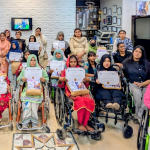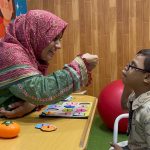


Effective communication is a cornerstone of independence for persons with disabilities. For individuals with hearing impairments, sign language education opens doors to self-expression, learning, and social participation. Through structured independent living programs that incorporate sign language education, persons with disabilities gain the ability to navigate daily life, access education, and participate in professional and social environments with confidence and autonomy.
Sign language is not merely a tool, it is a gateway to inclusion, empowerment, and meaningful engagement.
Overcoming Communication Barriers
Many persons with hearing impairments face significant communication challenges that limit access to education, employment, and social interaction. These barriers often lead to social isolation, reduced confidence, and missed opportunities.
Independent living programs that include sign language education help participants overcome these obstacles by:
- Teaching expressive and receptive sign language skills
- Building confidence in daily communication at home, school, and work
- Facilitating interactions with peers, family members, and community members
- Promoting understanding between hearing and non-hearing individuals
- Reducing frustration and dependence on interpreters for basic communication
By addressing communication gaps, sign language education enhances independence and fosters greater participation in all areas of life.
Importance of Sign Language
Sign language is more than a method of communication; it is a vital component of autonomy and self-determination. Sign language education equips individuals with the skills to:
- Express thoughts, needs, and preferences effectively
- Advocate for personal rights and make informed decisions
- Participate in academic learning, vocational training, and community programs
- Engage in social and recreational activities without barriers
- Build meaningful relationships through clear and confident communication
Through this education, Independent Living programs empower participants to interact confidently and meaningfully within their communities.
Education and Employment Inclusion
Sign language skills directly impact access to education and employment opportunities. Persons with hearing impairments can:
- Participate in classrooms with minimal assistance
- Pursue higher education, vocational courses, or professional certifications
- Communicate effectively in workplaces with colleagues, supervisors, and clients
- Access training programs, workshops, and online resources
- Engage in career advancement and professional networking
By integrating sign language education into independent living initiatives, NGOs remove barriers that historically limited learning and employment opportunities, fostering equality and inclusion.
Social Participation Benefits
Beyond education and employment, sign language education enhances social engagement. Benefits include:
- Greater involvement in family and community activities
- Participation in recreational, cultural, and civic events
- Formation of peer networks and support groups
- Increased confidence in social interactions and decision-making
- Enhanced self-esteem and sense of belonging
Social participation strengthens independence and overall well-being, enabling persons with disabilities to contribute meaningfully to society.
Long-Term Impact
The long-term effects of independent living programs with sign language education are transformative:
- Sustained independence in personal, educational, and professional settings
- Reduced social isolation and enhanced emotional well-being
- Improved access to opportunities in community, work, and advocacy
- Empowerment to self-advocate and participate actively in civic life
- Creation of inclusive environments that value and respect diverse communication needs
These programs not only equip participants with essential skills but also foster inclusive, equitable communities.
Enroll in Sign Language Programs
Persons with disabilities seeking to improve independence and communication can benefit from sign language education programs. Structured training, mentorship, and practical applications help individuals gain confidence, connect with peers, and participate fully in education, work, and society.
Take action today: join sign language programs through leading NGOs and embrace the path toward autonomy, empowerment, and meaningful inclusion.