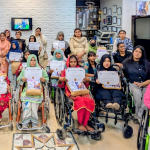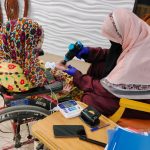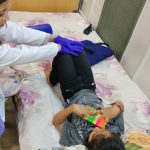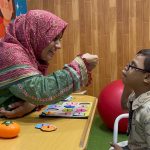


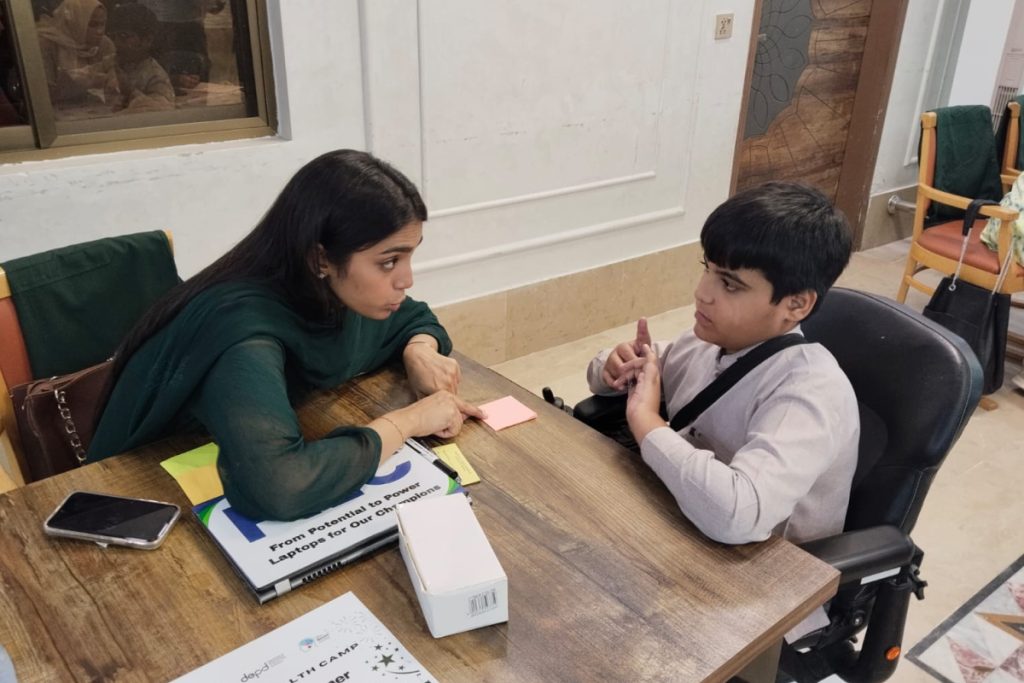
Independent living emphasizes that persons with disabilities have the right to make choices, manage their lives, and participate fully in society. A focus on Independent Living Philosophy paired with Self-Care Disability programs empowers individuals to develop essential life skills, build confidence, and maintain dignity. Through structured training, practical guidance, and supportive interventions, these initiatives allow participants to navigate daily routines more effectively while strengthening autonomy and self-reliance.
Self-care is not merely a set of tasks; it is a pathway to independence, empowerment, and personal fulfillment.
Core Principles of Independent Living
The Independent Living Philosophy is grounded in the belief that persons with disabilities can live meaningful, self-directed lives. Key principles include:
- Autonomy: Encouraging decision-making in daily life and personal care
- Choice: Providing options for activities, routines, and support services
- Participation: Ensuring involvement in community, social, and economic spheres
- Rights and Equality: Upholding the dignity, rights, and equality of individuals
- Supportive Environment: Creating access to resources, assistive devices, and mentorship
By adhering to these principles, Self-Care Disability programs help individuals embrace independence while fostering resilience, self-esteem, and agency.
Self-Care Training
Self-care is central to independent living, encompassing personal hygiene, grooming, and routine management. Self-Care Disability initiatives offered by NGOs include training in:
- Hygiene: Bathing, oral care, and maintaining cleanliness
- Dressing and Grooming: Selecting clothing, managing fastenings, and personal presentation
- Daily Routine Management: Organizing meals, medication schedules, and household tasks
- Adaptive Skills: Using assistive tools to complete tasks independently
- Time Management: Planning and prioritizing daily activities effectively
Structured training ensures participants can perform tasks safely and efficiently, reducing dependency on caregivers and increasing personal autonomy.
Building Confidence and Dignity
Mastering self-care skills has a profound impact on the confidence and dignity of persons with disabilities. Benefits include:
- Enhanced self-esteem and a sense of accomplishment
- Reduced reliance on family or caregivers for basic needs
- Greater participation in social, educational, and professional settings
- Feeling of control over personal life and decisions
- Recognition from community members of capability and independence
By combining practical training with supportive guidance, Independent Living Philosophy programs reinforce both skill acquisition and personal empowerment.
Family and Caregiver Role
Families and caregivers are essential partners in fostering independence. In Self-Care Disability programs, their role includes:
- Encouraging consistent practice of self-care routines
- Providing guidance without fostering dependency
- Offering emotional support and positive reinforcement
- Facilitating access to adaptive equipment and tools
- Participating in workshops to understand strategies for independence
Active involvement of families ensures that skills learned in training are applied consistently, reinforcing autonomy while strengthening relationships.
Community Integration and Social Benefits
Self-care skills extend beyond individual independence, positively impacting community participation:
- Greater ability to attend school, work, or social events
- Enhanced opportunities for recreational and cultural engagement
- Reduced stigma as persons with disabilities demonstrate independence
- Strengthened peer connections and support networks
- Increased societal recognition of the capabilities of PWDs
Through Independent Living Philosophy and Self-Care Disability initiatives, participants are better equipped to navigate their environments with confidence and dignity.
Long-Term Impact
The long-term benefits of combining independent living principles with self-care training include:
- Sustained independence in daily life
- Improved mental health and emotional well-being
- Enhanced social participation and inclusion
- Greater preparedness for educational and vocational opportunities
- Empowerment to advocate for personal rights and community access
By fostering autonomy and equipping individuals with essential skills, these programs contribute to holistic personal development and lasting empowerment.
Enroll in Self-Care Training
Persons with disabilities seeking to develop independence can access Self-Care Disability programs offered by leading NGOs. These programs provide hands-on training, mentorship, and community support to help individuals gain essential life skills and build confidence.
Take action today: enroll in training programs, develop self-care abilities, and embrace the path toward meaningful independence and dignity.