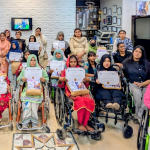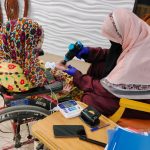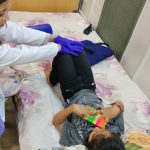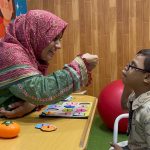


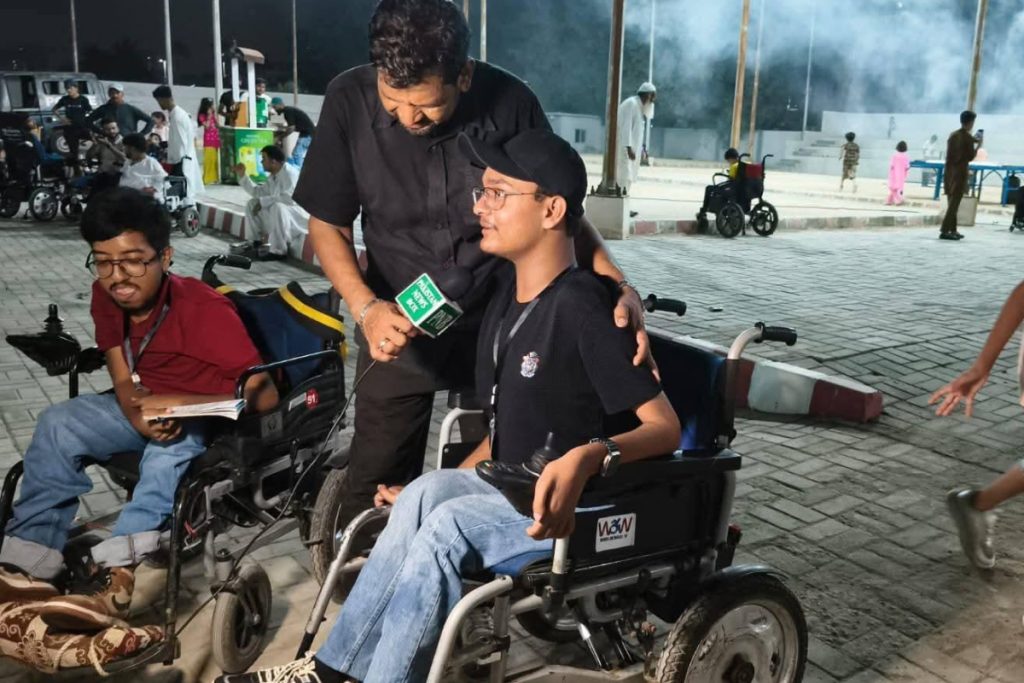
Persons with disabilities often face barriers that prevent full participation in social, educational, and professional environments. Independent Living Centers (ILCs) provide structured support, resources, and training designed to empower individuals to live independently while actively engaging in their communities. By integrating skill-building, confidence development, and community participation, ILCs foster meaningful social inclusion of disabled persons, enabling them to lead fulfilling lives and contribute to society.
An Independent Living Centre is more than a service provider; it is a hub where independence, empowerment, and social connection converge to break barriers and create opportunities for all.
Understanding Independent Living Centres
Independent Living Centers are specialized organizations dedicated to supporting persons with disabilities in achieving autonomy and self-reliance. They provide an array of services tailored to meet diverse needs, including:
- Skills training for daily life, education, and employment
- Access to assistive technologies and adaptive devices
- Counseling, mentorship, and peer support programs
- Advocacy for rights and inclusion in local communities
- Opportunities for social engagement and recreational activities
Through these services, ILCs address both practical and social barriers, ensuring participants develop confidence, competence, and a sense of belonging.
Role of Independent Living Centers
Independent Living Centers are instrumental in the social inclusion of disabled persons. Their multifaceted approach focuses on removing obstacles to independence while fostering integration into society. Key functions include:
- Assessment and personalized planning: Evaluating individual needs and creating tailored programs
- Skill development workshops: Teaching adaptive strategies for daily living, education, and employment
- Community integration initiatives: Organizing events, volunteering, and social projects that promote participation
- Support for caregivers and families: Providing guidance on fostering independence at home
- Advocacy and awareness campaigns: Promoting rights, accessibility, and acceptance within broader society
By combining individualized support with community-oriented programs, ILCs help participants navigate challenges while building social networks and engagement opportunities.
Skills and Confidence Building
A core component of ILC programs is the development of practical skills that enhance independence and self-esteem. These include:
- Daily living skills: Cooking, personal hygiene, household management, and self-care routines
- Communication and social skills: Interaction strategies, public speaking, and assertiveness
- Vocational and IT skills: Preparing for employment or entrepreneurship opportunities
- Mobility and adaptive skills: Using assistive technologies, navigating public spaces, and maintaining safety
- Emotional resilience: Coping strategies, stress management, and self-advocacy
Structured Independent Living Centre programs integrate these skills into daily routines and workshops, allowing participants to build confidence, demonstrate competence, and take ownership of their personal growth.
Community Participation Programs
ILCs actively facilitate engagement in the broader community to promote social inclusion of disabled individuals. These programs include:
- Cultural and recreational events: Encouraging participation in art, music, and sports activities
- Volunteer opportunities: Enabling participants to contribute meaningfully to society
- Peer mentoring and support groups: Connecting individuals to share experiences, advice, and encouragement
- Public awareness campaigns: Educating the community about disability, accessibility, and inclusion
- Partnerships with educational and professional institutions: Creating pathways for learning, internships, and employment
By participating in these programs, individuals develop social networks, gain visibility, and enhance their sense of belonging in society.
Long-Term Impact on Social Inclusion
The benefits of ILC initiatives extend far beyond immediate skill acquisition. Long-term outcomes of social inclusion of disabled programs include:
- Greater independence in daily living and decision-making
- Improved employment and educational outcomes
- Strengthened social networks and community engagement
- Enhanced self-confidence, dignity, and mental well-being
- Broader societal awareness and reduced stigma toward disability
These programs cultivate a culture of inclusion where persons with disabilities are recognized for their contributions, capabilities, and potential, rather than their limitations.
Case Studies and Success Stories
Many participants of Independent Living Centre programs experience transformative outcomes:
- Individuals who once struggled with daily tasks now manage households independently
- Participants previously isolated from peers have become active members of local clubs and volunteering initiatives
- Young adults gain vocational skills and secure employment, achieving financial independence
- Families report improved dynamics as participants take on responsibilities and demonstrate autonomy
- Communities recognize and celebrate the abilities of persons with disabilities, creating a more inclusive environment
These success stories illustrate how structured support, skill-building, and community engagement drive meaningful social inclusion.
Integrating Assistive Technology
ILCs increasingly integrate assistive technologies into social inclusion of disabled initiatives. Tools and strategies include:
- Smart mobility aids and navigation tools for independent travel
- Communication devices for hearing, speech, or cognitive impairments
- Adaptive software and apps for education, work, and daily living tasks
- Online platforms for social networking, learning, and peer support
Technology enhances accessibility, expands opportunities, and strengthens the confidence and independence of participants.
Family and Community Engagement
Family and community involvement is essential to sustaining the outcomes of Independent Living Centre programs. Key strategies include:
- Educating caregivers on fostering independence without over-assistance
- Encouraging family participation in workshops and events
- Creating mentorship programs linking participants with community role models
- Promoting inclusive attitudes and accessibility in schools, workplaces, and public spaces
- Partnering with local organizations to enhance integration opportunities
Active family and community engagement ensures that skills learned in ILCs translate into real-world independence and meaningful social participation.
Enroll in Independent Living Centre Programs
Persons with disabilities seeking to enhance independence and participate fully in society can access programs at leading Independent Living Centers. These initiatives provide structured skill-building, mentorship, community engagement, and assistive technology support to promote social inclusion of disabled individuals.
Take action today: contact an ILC to enroll, access support, and embrace opportunities that empower personal growth, community engagement, and long-term inclusion.