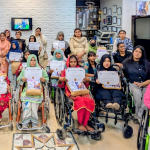



Empowering people with disabilities is not merely a social initiative; it is a transformative approach that enables individuals to participate fully in society, contribute professionally, and assert independence. PWD empowerment encompasses education, skill development, advocacy, and employment, creating pathways for meaningful engagement.
In Pakistan, outsourcing initiatives targeted toward people with disabilities are emerging as practical tools for both empowerment and economic inclusion. By offering structured work opportunities, outsourcing to disabled workers not only benefits organizations but also builds confidence, independence, and financial stability for individuals.
What is PWD Empowerment?
PWD empowerment refers to the process of equipping individuals with disabilities to make decisions, access resources, and participate in all aspects of life. Empowerment is multidimensional:
- Personal Empowerment: Developing confidence, self-expression, and autonomy in daily life decisions.
- Educational Empowerment: Ensuring access to learning, vocational training, and skill development programs.
- Professional Empowerment: Facilitating pathways to employment and entrepreneurship.
- Social Empowerment: Encouraging participation in community, cultural, and civic activities.
Effective empowerment programs recognize that barriers are often systemic rather than individual. By addressing infrastructure, workplace accessibility, societal attitudes, and training needs, NGOs create environments in which people with disabilities can thrive.
Organizations like Pakistan Independent Living Centre (PILC) and Disabled Welfare Association (DWA) combine advocacy with direct support, making empowerment tangible through training, employment facilitation, and personal development initiatives.
Outsourcing Work to Disabled Persons
Outsourcing work to people with disabilities is a practical model of inclusion and empowerment. This approach allows organizations to delegate tasks, projects, or services to capable disabled professionals while creating employment opportunities that are flexible, scalable, and meaningful.
Key elements of effective outsourcing programs include:
- Task Matching: Assigning work according to individual skills, abilities, and interests.
- Remote Work Opportunities: Leveraging technology to enable flexible participation from home or community centers.
- Support and Supervision: Providing mentorship, regular guidance, and accessible communication tools to ensure success.
- Quality Assurance: Maintaining high standards through training, monitoring, and feedback.
By outsourcing work to disabled professionals, organizations gain access to talent that is often untapped, while individuals receive income, skill development, and confidence. This model bridges the gap between capability and opportunity, turning empowerment into tangible results.
Skill Development Programs
Skill development is central to PWD empowerment. NGOs and specialized organizations focus on equipping individuals with competencies needed for professional, academic, and personal success.
Common Skill Development Initiatives:
- Technical Skills: IT literacy, digital marketing, graphic design, and software proficiency.
- Vocational Training: Crafts, administration, accounting, and call-center operations.
- Soft Skills: Communication, teamwork, problem-solving, and time management.
- Entrepreneurship Programs: Guidance for starting small businesses or freelance work.
These programs are often paired with mentorship and practical experience. Organizations like PILC and DWA actively collaborate with employers to ensure that training aligns with labor market demands, enhancing the likelihood of employment or outsourcing opportunities.
Skill development programs also foster independence and self-confidence, preparing participants to engage in meaningful work while contributing to society.
Inclusive Employment Opportunities
Creating inclusive employment opportunities is crucial for transforming empowerment into action. Inclusive workplaces adapt policies, physical environments, and social practices to ensure that people with disabilities can contribute effectively.
Strategies include:
- Flexible Work Arrangements: Part-time, remote, or adaptive schedules tailored to individual needs.
- Accessible Infrastructure: Modifications to offices, training centers, or community spaces for mobility and sensory accessibility.
- Awareness and Sensitization Programs: Educating coworkers and management to reduce stigma and foster collaboration.
- Mentorship and Peer Support: Pairing employees with experienced guides to navigate workplace dynamics.
Inclusive employment not only benefits individuals but also enriches organizations by fostering diversity, innovative problem-solving, and stronger community engagement. Outsourcing initiatives expand these opportunities further, allowing participation without requiring traditional office attendance.
Benefits of Empowerment Programs
The benefits of PWD empowerment programs are profound and extend across personal, familial, organizational, and societal levels.
1. Personal Growth and Independence
Participants gain confidence, skills, and autonomy, allowing them to make decisions about their lives, careers, and daily routines.
2. Professional Advancement
Through training and work opportunities, individuals gain employable skills, income stability, and career pathways.
3. Social Inclusion
Empowerment programs encourage community engagement, reduce isolation, and foster social networks among peers and mentors.
4. Family Support and Stability
Families benefit when members become independent, reducing reliance on caregiving and promoting stronger family dynamics.
5. Organizational Benefits
Businesses and NGOs gain access to talented individuals capable of performing diverse tasks, fostering innovative and socially responsible workplaces.
6. Societal Impact
Programs that combine PWD empowerment with outsourcing to disabled workers shift public perception, promote inclusion, and contribute to economic development.
Through structured training, supportive employment models, and community programs, empowerment initiatives create lasting change. Organizations such as Pakistan Independent Living Centre (PILC) and the Disabled Welfare Association (DWA) illustrate how combining skill development, peer support, and practical employment opportunities can transform lives.
By investing in PWD empowerment, Pakistan’s NGOs not only enhance individual independence but also demonstrate the broader value of inclusion, creating communities where people with disabilities can thrive, contribute, and shape their own futures with dignity and confidence.