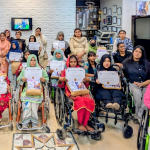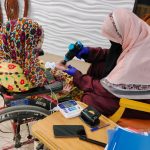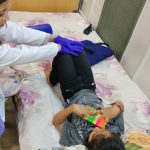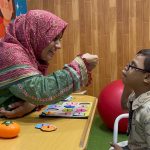


In Pakistan, humanitarian organizations play a vital role in supporting vulnerable communities, including people with disabilities. Beyond relief work, humanitarian NGO in Pakistan are increasingly facilitating education, skill development, and access to employment. By providing structured jobs for disabled persons, these NGOs create pathways to independence, empowerment, and social inclusion.
Employment opportunities through humanitarian initiatives do more than provide income they foster confidence, personal growth, and meaningful participation in society. Through comprehensive programs that combine training, mentoring, and workplace support, individuals with disabilities can engage fully in professional and community life.
Role of Humanitarian NGOs
Humanitarian NGOs in Pakistan focus on alleviating hardship while creating sustainable opportunities for marginalized populations. Their work spans relief, education, health, and social services. Key roles include:
- Advocacy and Awareness: Promoting the rights of persons with disabilities and raising public understanding.
- Capacity Building: Offering vocational training, skill development, and mentorship.
- Resource Provision: Supplying assistive devices, adaptive technology, and accessibility tools.
- Community Integration: Facilitating inclusive programs, workshops, and social activities.
- Employment Facilitation: Connecting trained individuals to jobs suited to their abilities.
Leading organizations like Pakistan Independent Living Centre (PILC) and Disabled Welfare Association (DWA) combine humanitarian aid with empowerment initiatives. Their holistic approach ensures that support is not just reactive but transformative, enabling disabled persons to participate meaningfully in all aspects of life.
Jobs for Disabled Persons
Access to work is a critical component of independence and social inclusion. NGOs across Pakistan are actively creating and facilitating jobs for disabled persons to bridge gaps in employment opportunities.
These roles often include:
- Administrative and Clerical Positions: Suitable for office-based work with adaptive technologies.
- Information Technology and Digital Roles: Web development, data entry, digital marketing, and content creation.
- Creative Industries: Art, crafts, design, and multimedia production.
- Remote and Outsourced Work: Flexible arrangements that accommodate mobility or health limitations.
Organizations also liaise with private companies and government programs to expand opportunities. By matching individual skills to suitable roles, NGOs ensure sustainable employment that enhances both professional and personal growth.
Training Programs for PWD
Employment is most effective when paired with targeted training programs for PWD. Training initiatives aim to develop both technical and soft skills necessary for the workforce.
Key components of these programs include:
- Technical Training: IT skills, digital literacy, administrative tasks, and vocational competencies.
- Communication and Interpersonal Skills: Enhancing workplace interaction, team collaboration, and client engagement.
- Problem-Solving and Critical Thinking: Preparing individuals for challenges in professional environments.
- Mentorship and Guidance: Supporting individuals with advice, feedback, and role modeling.
Training programs also often incorporate practical sessions and simulated workplace scenarios, ensuring participants are confident and competent when entering employment. NGOs such as PILC and DWA tailor these programs to local industry needs, increasing the likelihood of successful job placement.
Community Support Services
Community engagement is a cornerstone of humanitarian NGO efforts. Support services extend beyond employment to include:
- Peer Support Groups: Encouraging social interaction, shared learning, and emotional resilience.
- Family Counseling and Assistance: Helping caregivers navigate challenges and promote independent living.
- Accessible Recreational and Educational Programs: Ensuring participation in cultural, educational, and leisure activities.
- Awareness Campaigns: Promoting inclusive practices and reducing stigma in schools, workplaces, and communities.
These services ensure that disabled individuals are integrated into society, equipped with both practical skills and emotional support. Community programs complement employment initiatives, creating a holistic environment for growth and empowerment.
Benefits of NGO Support
The impact of humanitarian NGOs providing employment and support to disabled persons is multi-faceted:
1. Personal Independence
Individuals gain control over their lives, manage finances, and make decisions about their future.
2. Economic Stability
Sustainable jobs provide income, reducing dependence on family or charity while enabling self-sufficiency.
3. Social Inclusion
Employment and community participation foster belonging, reduce isolation, and strengthen social networks.
4. Skill Development
Training and mentorship improve technical, professional, and life skills, enhancing long-term employability.
5. Family Well-Being
Empowered individuals reduce caregiving burdens, increase family stability, and enhance overall quality of life.
6. Societal Impact
Inclusive employment challenges stereotypes, promotes diversity, and demonstrates the capabilities of people with disabilities.
Through structured programs, mentorship, and opportunities for professional engagement, humanitarian NGOs such as Pakistan Independent Living Centre (PILC) and Disabled Welfare Association (DWA) help disabled individuals achieve meaningful participation in both work and community life.
By integrating skill development, employment facilitation, and community support, humanitarian NGO in Pakistan ensure that disabled persons are not only supported but also empowered to contribute actively to society. This approach enhances confidence, promotes independence, and establishes inclusive pathways for future generations.