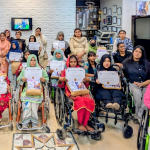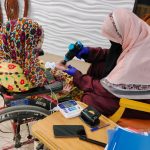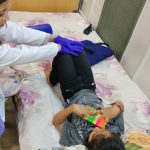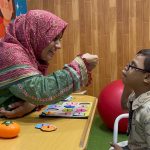


Creating environments where every individual, regardless of ability, can fully participate in society is the essence of inclusive living. For persons with disabilities, such inclusion is often hindered by structural, social, and cultural barriers. NGOs and welfare organizations across Pakistan work tirelessly to ensure that PWD welfare programs create equitable opportunities for participation, independence, and growth.
Inclusive living goes beyond physical accessibility; it encompasses education, employment, social interaction, and decision-making autonomy. When combined with targeted welfare programs, it provides a foundation for individuals to thrive and contribute meaningfully to their communities.
What is Inclusive Living?
Inclusive living refers to a societal model in which individuals with disabilities have the same rights, access, and opportunities as their peers. It involves:
- Accessibility: Ensuring buildings, transportation, and technology are usable by everyone.
- Participation: Encouraging engagement in social, educational, and professional activities.
- Autonomy: Empowering individuals to make decisions regarding their lives.
- Respect and Recognition: Fostering environments free of stigma and discrimination.
Inclusive living is not just a policy goal; it is a daily practice that influences how communities design spaces, develop services, and interact with people of all abilities.
For example, accessibility in public transport, workplace accommodations, and adaptive education systems ensures that people with disabilities are not excluded from critical aspects of social and economic life.
Importance of PWD Welfare
PWD welfare encompasses programs, policies, and initiatives aimed at improving the quality of life for persons with disabilities. The importance of welfare programs is multi-dimensional:
- Health and Rehabilitation: Providing medical care, therapy, and assistive devices to maintain physical and mental well-being.
- Educational Access: Ensuring inclusive learning environments and adaptive educational materials.
- Skill Development: Offering vocational and life skills training to enhance employability and independence.
- Economic Support: Providing employment opportunities, stipends, or microfinance to promote financial stability.
- Social Inclusion: Organizing community programs and recreational activities to encourage engagement and interaction.
By addressing these areas, PWD welfare programs reduce marginalization, promote self-reliance, and create pathways for active participation in society. Organizations like Pakistan Independent Living Centre (PILC) and Disabled Welfare Association (DWA) are at the forefront of integrating comprehensive welfare with empowerment initiatives.
Community Inclusion Programs
Community inclusion is a practical extension of inclusive living and welfare policies. These programs aim to integrate individuals with disabilities into social, educational, and professional networks.
Typical community inclusion programs include:
- Awareness Campaigns: Educating the public to reduce prejudice and promote positive perceptions of disability.
- Inclusive Events: Cultural, recreational, and educational activities designed to involve everyone.
- Peer Support Networks: Facilitating connections among individuals with disabilities to share knowledge, encouragement, and experiences.
- Accessible Infrastructure Projects: Adapting public spaces, schools, and workplaces to remove physical barriers.
- Volunteer and Mentorship Programs: Engaging community members in supporting, mentoring, and collaborating with persons with disabilities.
By participating in such programs, individuals gain confidence, social skills, and opportunities for collaboration. Communities also benefit from increased diversity, awareness, and social cohesion.
Role of NGOs in Disability Welfare
NGOs play a pivotal role in ensuring PWD welfare and promoting inclusive living. Their contributions include:
- Direct Services: Providing education, vocational training, assistive devices, counseling, and therapy.
- Advocacy and Policy Support: Working with government and private sectors to implement inclusive laws, accessibility standards, and rights protections.
- Community Engagement: Organizing awareness campaigns, workshops, and social programs that promote inclusion.
- Employment Facilitation: Partnering with businesses to create jobs for people with disabilities and support workplace accessibility.
- Research and Innovation: Developing adaptive tools, technologies, and methodologies to improve quality of life.
Organizations like PILC and DWA exemplify how NGOs integrate service delivery, advocacy, and community programs to create comprehensive disability welfare frameworks.
Benefits of Inclusive Communities
Inclusive communities, built on welfare and engagement, provide profound benefits for both individuals with disabilities and society at large:
1. Social Integration
Inclusive communities allow individuals to participate in cultural, educational, and professional activities, reducing isolation and promoting belonging.
2. Empowerment and Independence
Access to resources, employment, and social networks fosters autonomy, decision-making, and confidence.
3. Economic Participation
Inclusive programs increase employability and productivity among persons with disabilities, contributing to local and national economies.
4. Family Support
Families benefit from reduced caregiving burdens and improved emotional well-being when their members are active, engaged, and supported.
5. Awareness and Attitudinal Change
When communities actively practice inclusion, public perceptions of disability shift, promoting equality and reducing stigma.
6. Sustainable Development
Inclusive communities encourage participation from all members of society, fostering innovation, diversity, and social cohesion.
By integrating accessibility, welfare, and inclusion, Pakistan can ensure that people with disabilities have equal opportunities to live meaningful, independent, and engaged lives. NGOs such as Pakistan Independent Living Centre (PILC) and Disabled Welfare Association (DWA) remain instrumental in translating these principles into practical, scalable programs that transform communities.
Inclusive living and PWD welfare are interconnected; one reinforces the other. By creating supportive environments, fostering skill development, and enabling community engagement, Pakistan’s leading disability organizations are building a society where every individual, regardless of ability, can thrive.