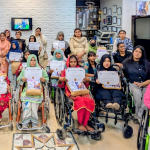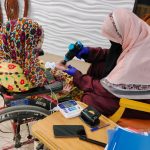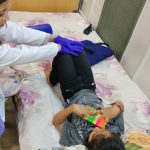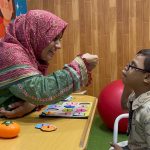


Access to assistive technology can be life-changing for people with disabilities, offering independence, mobility, and new opportunities for personal and professional development. In Pakistan, leading NGO in Pakistan are bridging critical gaps by providing assistive devices, training, and ongoing support, enabling individuals to live fuller, more autonomous lives.
By integrating technology, advocacy, and tailored programs, these organizations ensure that people with disabilities are not limited by their environment but empowered to participate in all aspects of society.
What Makes an NGO a Leading Organization?
A truly leading NGO in Pakistan is recognized not only for its longevity but also for the breadth and depth of its impact. Key factors include:
- Comprehensive Programs: Offering services that span education, employment, therapy, and community integration.
- Innovation and Adaptation: Utilizing assistive technologies and modern approaches to enhance accessibility.
- Community-Centered Approach: Engaging families, caregivers, and communities to ensure inclusive support.
- Advocacy and Policy Influence: Working to raise awareness, promote disability rights, and influence government policies.
- Sustained Outcomes: Demonstrating measurable improvement in independence, skill development, and quality of life for beneficiaries.
Organizations like Pakistan Independent Living Centre (PILC) and Disabled Welfare Association (DWA) exemplify these qualities, combining practical interventions with advocacy to empower individuals with disabilities across Pakistan.
Importance of Assistive Devices
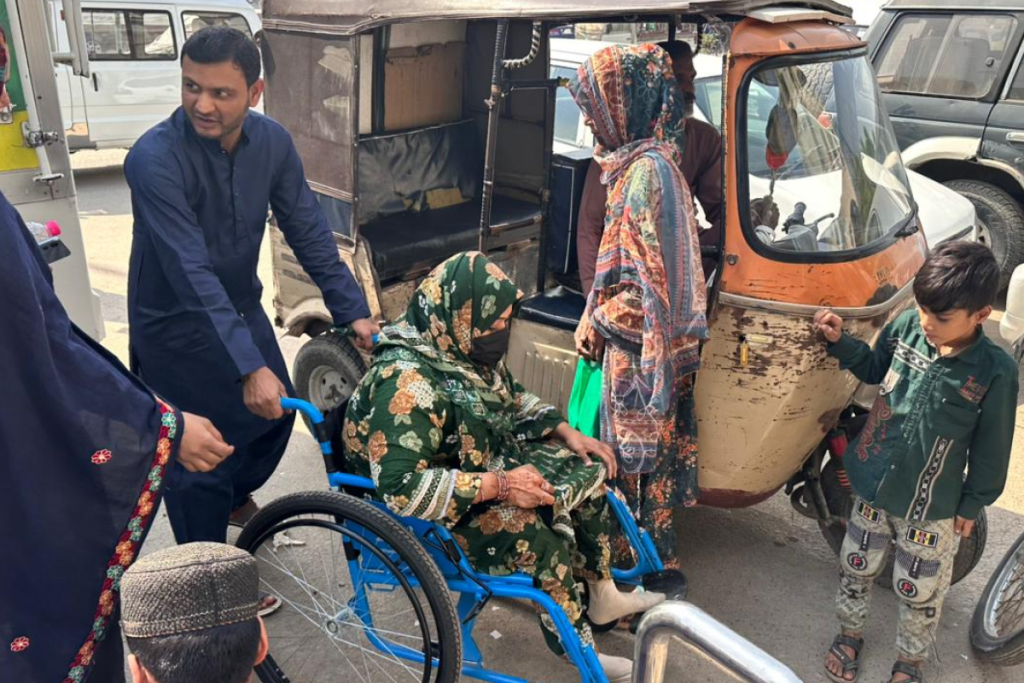
Assistive devices are tools designed to enhance independence for people with disabilities. They range from mobility aids like wheelchairs and walking frames to sensory devices such as hearing aids, prosthetics, and digital accessibility tools.
The benefits of assistive devices include:
- Mobility and Independence: Enabling individuals to navigate their environment confidently.
- Access to Education and Employment: Facilitating participation in classrooms, workplaces, and vocational training.
- Enhanced Communication: Supporting those with hearing, speech, or cognitive challenges to interact more effectively.
- Safety and Comfort: Reducing the risk of injury and supporting daily living activities.
- Confidence and Autonomy: Providing tools that empower individuals to take control of their lives.
Providing assistive devices is not just about hardware; it also involves assessment, training, and ongoing support to ensure effective use. Leading NGOs in Pakistan integrate these services to create lasting impact.
Technology Support for Disabled Persons
Beyond traditional assistive devices, modern technology has expanded opportunities for independence and productivity. Technology support includes:
- Digital Accessibility Tools: Screen readers, speech-to-text software, and other devices that allow people with visual or cognitive impairments to access information.
- Adaptive Software for Work and Learning: Programs that enhance skills, communication, and productivity for students and professionals.
- Tele-rehabilitation Services: Remote guidance for therapy, training, and device usage.
- Customized Assistive Solutions: Tailored adaptations to meet individual needs, such as specialized chairs, prosthetics, or ergonomic tools.
By providing technology alongside traditional devices, NGOs ensure that individuals are equipped for both personal independence and professional participation.
NGO Programs for Disability Assistance
Programs designed by leading NGO in Pakistan extend beyond providing equipment. They focus on empowerment, skill development, and community integration. Key initiatives include:
- Assessment and Device Matching: Determining the right assistive device for each individual’s physical, cognitive, and social needs.
- Training Workshops: Teaching individuals and caregivers how to use devices safely and effectively.
- Vocational Programs: Linking device use to employment opportunities and skill-building programs.
- Community Engagement: Promoting inclusion through awareness campaigns, accessible infrastructure, and peer support networks.
- Rehabilitation Services: Combining physical therapy, occupational therapy, and device training to maximize mobility and independence.
Organizations like PILC and DWA provide these programs in both urban and semi-urban areas, ensuring that support reaches those who need it most.
Impact of Assistive Technology
The impact of providing assistive devices goes far beyond immediate mobility. It touches every aspect of life:
1. Personal Independence
Individuals can perform daily tasks, attend school, or commute to work without relying heavily on others.
2. Educational Inclusion
Students with disabilities gain access to classrooms, learning materials, and educational technology, supporting equal participation.
3. Employment Opportunities
Assistive devices allow people to pursue careers, work remotely, or engage in vocational activities that would otherwise be inaccessible.
4. Social Participation
Enhanced mobility and communication skills reduce isolation, allowing people to engage in cultural, recreational, and community activities.
5. Psychological Well-Being
Independence and the ability to contribute actively to society foster self-confidence, reduce stress, and enhance mental health.
6. Family Support
Caregivers benefit from reduced physical strain and emotional stress, knowing their loved ones can navigate life more autonomously.
By combining assistive devices, technology support, and structured programs, leading NGO in Pakistan empower people with disabilities to achieve meaningful participation in education, employment, and community life. Organizations like the Pakistan Independent Living Centre (PILC) and the Disabled Welfare Association (DWA) exemplify this approach, providing tools, training, and advocacy to ensure that independence is practical, sustainable, and transformative.
Through these interventions, individuals are not only supported in daily life, but they are also equipped to shape their futures with confidence, skill, and autonomy. Assistive technology thus becomes a bridge between potential and opportunity, enabling people with disabilities to fully engage with the world around them.