

In recent years, the landscape of disability support in Pakistan has grown both in depth and variety. While basic services like mobility assistance and vocational training remain essential, there is increasing recognition that emotional well‑being and creative expression are equally crucial for holistic development. This is where the Best Disability Support NGO in Pakistan makes a meaningful difference by combining practical support with therapeutic programs such as art therapy for PWD.
Rather than simply offering care, leading organizations empower individuals with disabilities to explore their talents, express themselves, and find healing through creativity. This approach not only enhances mental wellness but also strengthens confidence, communication, and participation in community life.
Services Provided by Disability Support NGOs
The services provided by reputable disability support NGOs are broad and human‑centered. These organizations work with individuals, families, and communities to build systems that support independence, dignity, and growth.
Some core services include:
1. Personalized Support Plans
Each person’s situation is unique. The best NGOs tailor their services to individual needs, strengths, and goals, whether that involves educational support, employment readiness, mobility assistance, or emotional guidance.
2. Vocational and Skills Training
Preparing people with disabilities for meaningful engagement in education and employment is a priority. Specialized training in areas like digital skills, administrative tasks, or crafts provides practical pathways to financial stability and self‑confidence.
3. Accessible Education Assistance
Many individuals with disabilities face barriers in mainstream education due to inaccessible environments or lack of classroom support. NGOs bridge this gap through tutoring, adaptive learning resources, and coordination with schools.
4. Community Engagement Programs
Isolation often becomes a barrier to emotional health and confidence. Community programs such as inclusive events, workshops, and group training help individuals develop social networks, soft skills, and a support system.
5. Counseling and Emotional Support
Beyond practical services, emotional and psychological guidance aids individuals and families in coping with stress related to disability, transitions, or life changes.
A comprehensive organization will integrate these services with innovative therapeutic approaches like art therapy for PWD, creating a support system that addresses both practical and emotional needs.
Art Therapy for People with Disabilities
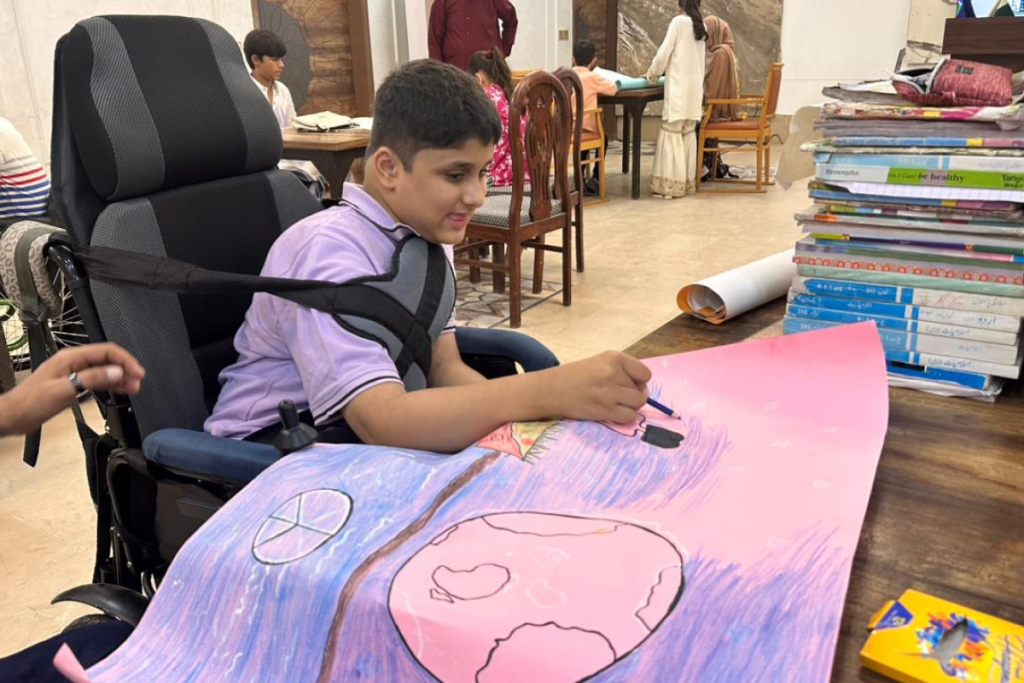
Art therapy PWD refers to the use of artistic activities such as painting, drawing, music, and clay work as therapeutic tools. It is not about artistic expertise but about expression, exploration, and healing.
For many people with disabilities, conventional verbal communication can be difficult, limited, or frustrating. Art creates an alternate language, one that expresses thoughts and feelings without needing words, and that allows individuals to engage with inner experiences safely and creatively.
Key aspects of art therapy include:
Emotional Expression
Art allows individuals to channel emotions that are hard to articulate verbally. Whether it’s frustration, joy, sadness, or desire, creative activity provides an outlet.
Cognitive Engagement
Art requires focus, decision‑making, and planning. These cognitive processes help sharpen attention, problem-solving skills, and patience skills that carry over into other areas of life.
Motor Skill Development
Activities like drawing, coloring, or sculpting strengthen fine motor skills, hand–eye coordination, and control, which are especially important for individuals with physical challenges.
Safe Exploration of Identity
Many people with disabilities struggle with identity because of societal labels or misconceptions. Art provides a space to explore personal stories, strengths, and aspirations.
Leading disability support NGOs in Pakistan increasingly recognize these benefits, integrating structured art therapy sessions into their programs to support emotional and developmental growth.
Mental Health Support Programs
A holistic approach to disability support acknowledges that mental health and physical well‑being are deeply connected. Individuals with disabilities often face challenges such as exclusion, stigma, and limited social participation, all of which can significantly impact emotional health.
Mental health support programs offered by top organizations typically include:
1. Individual Counseling
One‑on‑one sessions with trained professionals help individuals process emotions, handle transitions, and build resilience.
2. Group Therapy and Peer Support
Shared experiences create powerful bonds. Group sessions allow participants to connect, reducing isolation, normalizing challenges, and reinforcing community.
3. Family Counseling
Families play a central role in the lives of individuals with disabilities. Support for caregivers helps them navigate emotional challenges, communication, and long‑term planning.
4. Stress Management Workshops
These sessions equip individuals with coping strategies such as mindfulness, breathing exercises, emotional regulation, and positive thinking skills that enhance well-being.
Importantly, mental health support is not treated as separate from other services. Instead, it is integrated with educational programs, community engagement, and therapeutic activities like art therapy for PWD, ensuring that individuals receive comprehensive care.
Creative Activities for PWD
While therapeutic art has specific goals, creative activities are broader in focus yet equally valuable. These programs aim to nurture talents, build confidence, and provide joyful engagement that strengthens social participation.
Examples of creative activities include:
1. Music and Movement Workshops
Music engages the brain in unique ways, strengthening memory, rhythm coordination, and emotional expression. Movement sessions also promote body awareness and physical engagement.
2. Theater and Storytelling Groups
Dramatic expression helps individuals explore narratives, build confidence in public speaking, and develop self‑esteem through performance.
3. Crafts and Design Projects
Activities such as pottery, fabric art, beadwork, and digital design offer practical skills that may also lead to entrepreneurial opportunities or marketable talents.
4. Collaborative Art Exhibitions
Exhibitions give individuals a platform to display their creative work to the broader community, fostering pride, recognition, and a sense of accomplishment.
Creative activities serve multiple purposes. They are therapeutic, they build skills, and they connect individuals with peers and communities through shared interests.
When these activities are offered consistently by a Best Disability Support NGO in Pakistan, participants gain both emotional enrichment and practical engagement.
Benefits of Art Therapy
The benefits of art therapy for PWD extend beyond the immediate creative experience. When integrated with structured support programs, art therapy contributes to emotional, social, cognitive, and physical well‑being.
Here are key benefits:
1. Enhanced Emotional Expression
Art allows individuals to express emotions they may otherwise find difficult to articulate. This contributes to emotional regulation and self‑awareness.
2. Increased Confidence and Self‑Esteem
Completing creative projects provides a sense of accomplishment. Recognition through exhibitions or community showcases further reinforces confidence.
3. Improved Cognitive Abilities
Activities like pattern creation, color exploration, and task planning strengthen cognitive flexibility, memory, and problem‑solving.
4. Strengthened Social Connections
Group sessions foster collaboration, communication, and peer interaction, helping reduce feelings of isolation and promoting a sense of belonging.
5. Support for Mental Health
Art encourages mindfulness, reduces stress, and provides a safe outlet for complex emotions key factors in overall emotional well‑being.
6. Enhanced Motor Skills
Working with different artistic tools improves coordination and control, supporting both physical development and self‑confidence.
Importantly, art therapy is not only reactive (addressing emotional challenges); it is proactive. It helps individuals discover strengths, build resilience, and cultivate self‑expression tools that serve them well in other areas of life.
Combining traditional disability support services with creative and therapeutic programs sets the Best Disability Support NGO in Pakistan apart. Organizations that integrate art therapy, mental health support, and inclusive activities provide not just assistance but transformation.
Through structured support, guided expression, and opportunities for social participation, individuals with disabilities are empowered to explore their abilities, connect with others, and build confident, fulfilling lives. This holistic approach recognizes that well‑being is multifaceted, encompassing body, mind, creativity, and community.