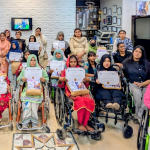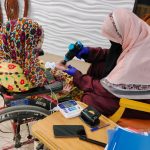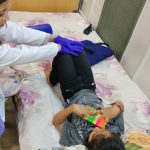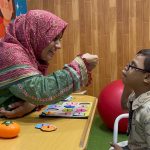


Despite progress in awareness and policy, people with disabilities in Pakistan still face structural, social, and economic barriers. This makes the work of Top Disability Rights Organizations Pakistan essential not only for advocating change at systemic levels but also for creating supportive spaces where individuals can connect, grow, and participate fully in life.
Equally important within this ecosystem is peer support disability, an approach that brings individuals together based on shared experiences, creating strength through community rather than isolation. When advocacy and peer networks work alongside each other, the result is long‑term change both within individuals and within society.
Importance of Disability Rights
Disability rights refer to the fundamental freedoms and protections that ensure people with disabilities can live with dignity, make decisions, and participate fully in society. These rights are grounded in universal human rights principles and include access to education, employment, healthcare, mobility, and freedom from discrimination.
In Pakistan, recognition of disability rights has slowly grown in policy conversations, yet implementation remains uneven. Without enforced protections and public awareness, many individuals face barriers such as:
- Inaccessible physical environments
- Limited educational inclusion
- Exclusion from labor markets
- Negative social attitudes
- Lack of appropriate social services
Recognizing disability rights means acknowledging that barriers are not inherent to individuals but are often created by systems, attitudes, and environments that do not consider diverse abilities.
This perspective shifts the focus from sympathy to justice. It urges communities and institutions to proactively ensure that people with disabilities are included in public life, not as exceptions, but as equal participants.
Role of Disability Rights Organizations
Organizations at the forefront of disability advocacy in Pakistan play vital roles in promoting policies, raising awareness, providing services, and connecting individuals with resources. Below are the top disability rights organizations in Pakistan that have demonstrated sustained impact:
- Pakistan Independent Living Centre (PILC) – A leading network promoting independent lives for people with disabilities through advocacy, social support, and employment facilitation.
- Disabled Welfare Association (DWA) – Provides holistic programming including vocational training, inclusive education initiatives, and community engagement efforts.
- Rising Sun Education and Welfare Society – Offers structured teaching, rehabilitation services, and programs that build capacity in individuals of all ages.
- ROSP Welfare Foundation – Works on rehabilitation, inclusion services, and community development for people with disabilities and the elderly.
- Edhi Foundation – Network focused on disability inclusion, morgues, welfare, identity facilitation, ambulances, and empowerment initiatives.
- National Forum of Women with Disabilities – Focuses specifically on empowering women with disabilities, promoting leadership, and policy engagement.
- Sindh Disable Welfare Association – Provides direct support, training, and community integration services in the Sindh region.
- Tamir Welfare Organization – Combines disability support with livelihood training and family services for marginalized populations.
- Faizan Global Relief Foundation – A welfare organization that supports persons with disabilities through community programs and rehabilitation.
- Saylani Welfare International Trust – Offers broad social support services that indirectly benefit disabled communities, including health and economic assistance.
These organizations vary in approach from direct service delivery to advocacy and policy engagement, but they share a core commitment: ensuring that people with disabilities have access to environments, rights, and opportunities that enable full participation in society.
Collectively, these top disability rights organizations in Pakistan help advance legal protections, challenge stereotypes, and provide individuals with tools they need to navigate barriers at home, school, work, and in the community.
Peer Support for Disabled Persons
While formal programs and legal protections are essential, something equally impactful often happens at the human level: connection through shared experience. Peer support disability refers to structured or informal networks where people with similar experiences offer mutual guidance, encouragement, and knowledge.
Peer support has unique strengths:
- It provides emotional reassurance from someone who truly understands the lived experience.
- It fosters shared learning where practical strategies are exchanged rather than prescribed.
- It reduces isolation by building communal relationships grounded in respect.
- It reinforces confidence by highlighting shared successes and collective resilience.
In peer support groups, individuals are not positioned as “cases” or recipients of charity. They are valued participants who contribute insights, solutions, and encouragement. This approach is particularly effective for people grappling with social isolation, mental stress, or identity challenges related to disability.
Within these networks, people help one another:
- Navigate healthcare or social services
- Understand legal rights
- Practice communication and self‑advocacy
- Share job search tips and opportunities
- Encourage each other through setbacks
By centering lived experience, peer support disability creates strength through connection rather than distance. It builds a shared language of resilience and practical strategies rooted in real‑world experience.
Community Support Networks
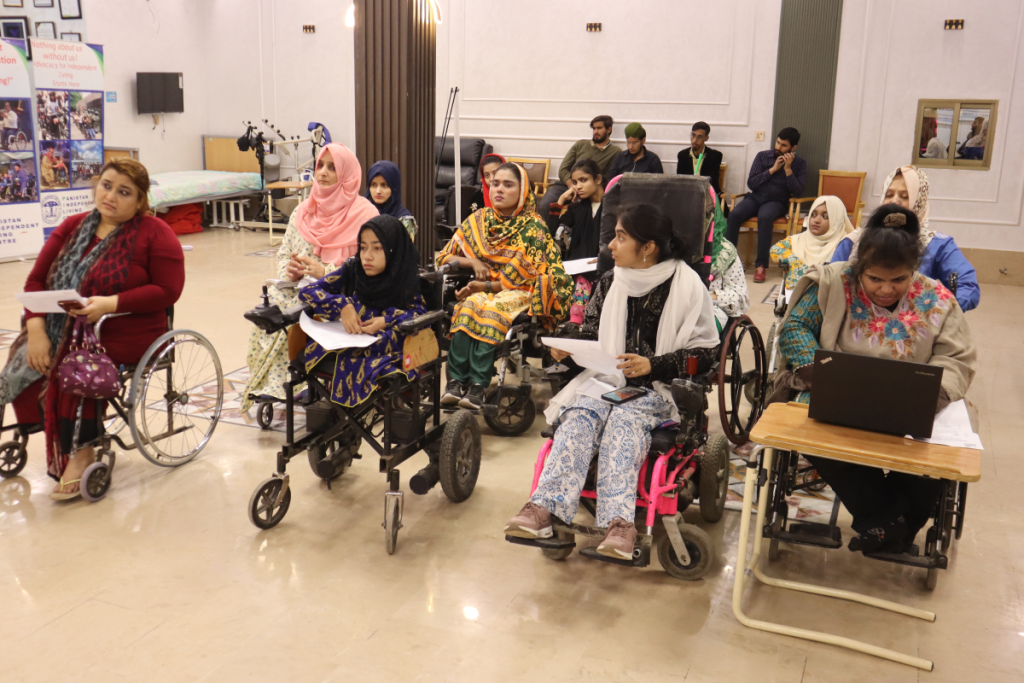
Peer support is often embedded within broader community support networks, groups, and spaces where individuals, families, and allies come together for mutual empowerment. These networks might exist through disability rights NGOs, educational institutions, local clubs, or informal meetups.
Community support networks create environments that encourage participation and belonging. They host:
- Discussion circles and support groups
- Skill‑sharing workshops
- Social and recreational events
- Awareness and inclusion campaigns
- Family support sessions
These activities provide more than company; they build communal knowledge, reduce stigmatization, and strengthen resilience. When individuals see others making progress, they gain hope and motivation to take steps forward in their own lives.
Community networks also connect people to services and opportunities they might not discover alone. Whether it is access to healthcare referrals, employment leads, or learning opportunities, these networks make information accessible and actionable.
Importantly, community support can uplift families as well. Caregivers and relatives often face emotional and logistical challenges. Spaces that foster shared problem‑solving reduce stress and create bonds grounded in mutual care rather than obligation.
Benefits of Peer Support Programs
Programs centered on peer support disability offer benefits that extend across emotional, practical, and societal dimensions.
Emotional Well‑Being
Peer networks help individuals feel understood, valued, and less alone in their experiences. This can reduce anxiety, depression, and feelings of exclusion by fostering a sense of belonging.
Practical Knowledge and Life Skills
Peers exchange strategies for navigating systems, whether accessing services, pursuing education, or preparing for employment. This shared expertise often fills gaps left by formal programs.
Confidence and Self‑Advocacy
Knowing that others have succeeded despite similar barriers strengthens confidence. Individuals learn to ask for accommodations, negotiate workplace needs, or assert their rights in public spaces.
Mutual Motivation and Accountability
Support groups often promote collective encouragement, where members hold one another accountable for goals such as pursuing education, applying for jobs, or participating socially.
Societal Impact
Peer support fosters a culture of inclusion and mutual respect. As individuals share insights beyond their immediate circles through community events, workshops, or public forums, they influence broader attitudes toward disability.
When peer support disability is integrated with the work of disability rights organizations, the result is stronger communities where advocacy, practical support, emotional resilience, and collective action reinforce each other.
The combination of legal advocacy, community engagement, and peer support creates an ecosystem where people with disabilities can thrive. The Top Disability Rights Organizations in Pakistan provide structural foundations, while peer networks strengthen individual and communal resilience.
Together, these efforts promote a future where rights are recognized, barriers are challenged, and people with disabilities are active participants in every sphere of life.