

For many people with disabilities, the path toward independence is shaped by two key factors: access to reliable support and access to meaningful work. One without the other often leaves individuals in an uncertain position. This is why disability support services and employment opportunities must go hand in hand.
In places where systems are still developing, individuals often rely on structured support to manage daily life, build skills, and find direction. At the same time, the availability of jobs for disabled persons determines whether those efforts lead to long-term independence or remain limited to short-term assistance.
When support and employment are aligned, individuals are not just helped; they are given the space to move forward on their own terms.
Importance of Disability Support Services
Disability support services form the foundation for independent living. These services are designed to address practical challenges that individuals face in their daily routines, education, and work life.
Support services can include:
- Personal assistance for daily activities
- Access to healthcare and rehabilitation
- Guidance in education and skill-building
- Counseling and emotional support
- Assistive devices and technology
For many individuals, these services are the first step toward stability. Without them, even basic tasks can become difficult, limiting participation in education or employment.
In cities like Karachi, the availability of disability support services has improved over time, but access is still not consistent across all communities. Some individuals receive comprehensive support, while others remain outside formal systems.
The role of these services is not to create dependency. Instead, they aim to reduce barriers so that individuals can manage their own lives more effectively. For example, a person who receives mobility support or assistive technology can attend school, travel independently, or take up a job.
Families also benefit from structured support. Caregivers often carry a significant responsibility, and access to services allows them to share that responsibility while ensuring proper care.
When designed well, disability support services act as a bridge connecting individuals to opportunities that would otherwise remain out of reach.
Jobs for Disabled Persons
Access to jobs for disabled persons is one of the most important factors in achieving independence. Employment provides income, but its impact goes beyond financial stability.
For individuals, having a job means:
- A sense of purpose and routine
- Opportunities to interact with others
- The ability to contribute to society
- Greater confidence in their abilities
Despite this, many individuals struggle to find suitable work. The challenges often include:
- Limited job listings that are truly accessible
- Lack of awareness among employers
- Misconceptions about productivity and performance
- Work environments that are not inclusive
Creating more jobs for disabled persons requires a shift in how hiring is approached. Employers need to focus on skills and potential rather than assumptions.
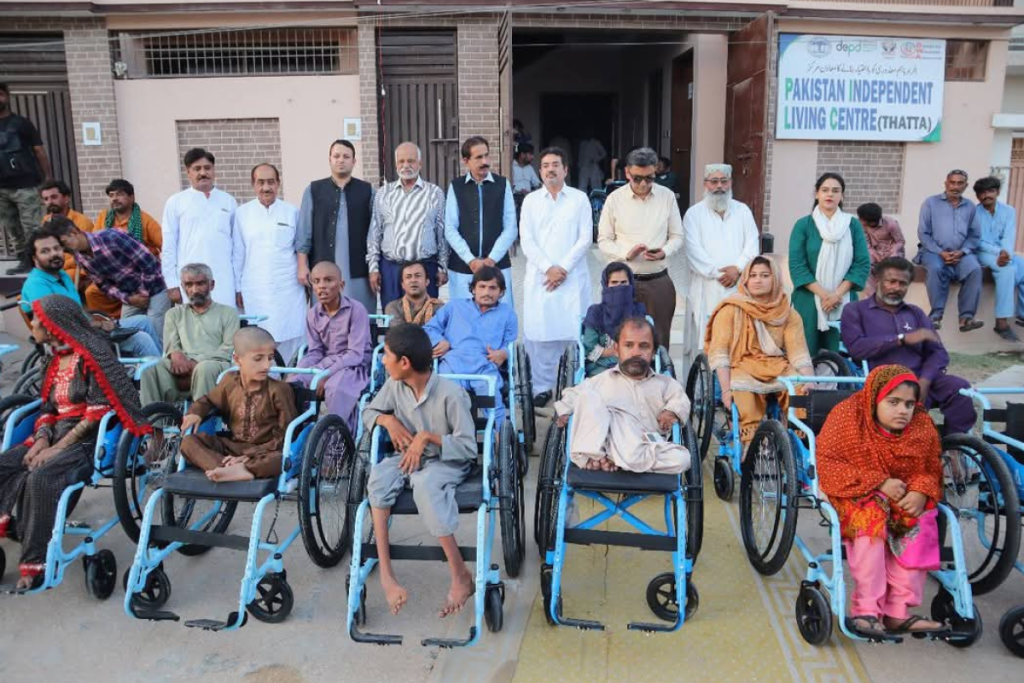
Organizations such as the Pakistan Independent Living Centre (PILC) help bridge this gap by preparing individuals for employment and connecting them with companies willing to hire inclusively.
It is also important to ensure that opportunities are not limited to a narrow range of roles. People with disabilities have diverse abilities and interests, and employment options should reflect that diversity.
Training Programs for PWD
Training programs play a critical role in preparing individuals for employment. Without proper training, even the availability of jobs for disabled persons may not lead to successful placement.
Effective training programs focus on:
- Developing practical skills relevant to current job markets
- Building confidence and communication abilities
- Providing exposure to real work environments
- Offering guidance on job applications and interviews
These programs are often part of broader disability support services, ensuring that individuals receive both skill development and ongoing support.
In recent years, there has been a growing focus on digital skills. Training in areas such as data entry, graphic design, customer support, and basic programming has opened new opportunities, especially for remote work.
However, training is not just about technical skills. Soft skills such as time management, teamwork, and problem-solving are equally important. Many individuals benefit from structured environments where they can practice these skills before entering the workforce.
Continuous learning is also essential. As industries change, individuals need opportunities to update their skills and adapt to new roles. This ensures long-term growth rather than short-term employment.
Inclusive Employment Opportunities
Creating inclusive employment opportunities means designing workplaces where people with disabilities can work comfortably and effectively. It goes beyond simply offering jobs for disabled persons, it involves building systems that support employees once they are hired.
Inclusive workplaces often include:
- Accessible office spaces
- Flexible working arrangements
- Availability of assistive tools
- Clear and respectful communication practices
For many roles, especially in the digital sector, remote work has become a valuable option. It allows individuals to work from home, reducing challenges related to transportation and physical access.
Employers who invest in inclusion often discover that the required adjustments are not as complex as they initially assumed. Simple changes can significantly improve productivity and employee satisfaction.
Strong disability support services also contribute to inclusive employment. When employees have access to ongoing support, they are better equipped to handle challenges and perform consistently.
Inclusion also requires awareness within teams. Colleagues should understand how to interact respectfully and support each other without creating discomfort. This creates a work environment where everyone feels valued.
Benefits of Disability Employment
Employment for people with disabilities creates positive outcomes at multiple levels, individual, organizational, and societal.
For individuals, access to jobs for disabled persons leads to:
- Financial independence
- Increased self-confidence
- Opportunities for personal and professional growth
For families, it reduces long-term concerns about dependency and provides a sense of stability.
For organizations, hiring individuals with disabilities brings:
- Diverse perspectives and ideas
- Strong commitment and reliability among employees
- A more thoughtful and balanced workplace culture
Businesses that support inclusion also strengthen their reputation. They are seen as responsible and aware, which can improve relationships with clients, partners, and communities.
At a societal level, the combination of disability support services and employment contributes to economic participation. More individuals are able to work, earn, and contribute, reducing reliance on limited resources.
Perhaps the most important benefit is the shift in perception. When people with disabilities are visible in workplaces, it challenges outdated assumptions and encourages broader acceptance.
The connection between disability support services and employment is clear. Support creates the conditions for growth, and employment provides the opportunity to apply that growth in meaningful ways.
When individuals have access to both, they are able to build lives based on choice rather than limitation. The presence of more jobs for disabled persons is an important step, but it must be supported by training, inclusion, and consistent effort.
Progress may take time, but each step toward accessible support and inclusive employment brings individuals closer to independence and communities closer to fairness.