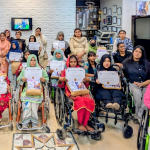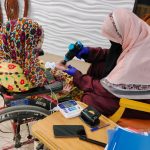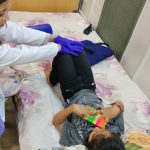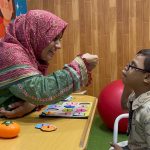


In many communities, people with disabilities are still present but not fully seen. They live in the same neighborhoods, attend the same schools, and share the same public spaces, yet their participation often remains limited. This gap is not always intentional; it is usually the result of systems and attitudes that have not been adjusted to include everyone.
This is where the idea of community inclusion disability becomes important. It focuses on ensuring that people with disabilities are not just present but actively involved in everyday life socially, economically, and culturally.
Alongside this, efforts related to PWD welfare play a key role in building support systems that allow individuals to participate with confidence. When inclusion and welfare come together, communities begin to shift from passive awareness to meaningful participation.
What is Community Inclusion?
Community inclusion disability refers to the active involvement of people with disabilities in all aspects of community life. It means having equal access to public spaces, education, employment, social events, and decision-making processes.
Inclusion is not limited to physical access. While ramps, accessible transport, and assistive tools are important, true inclusion also involves:
- Being welcomed in social settings
- Having a voice in community decisions
- Participating in cultural and recreational activities
- Being treated with respect and understanding
In cities like Hyderabad, efforts toward inclusion are gradually increasing, but many barriers still exist. Public spaces may not always be accessible, and awareness about disability remains uneven.
For individuals, the absence of inclusion can lead to isolation. Many people limit their activities not because they want to, but because the environment does not support their participation.
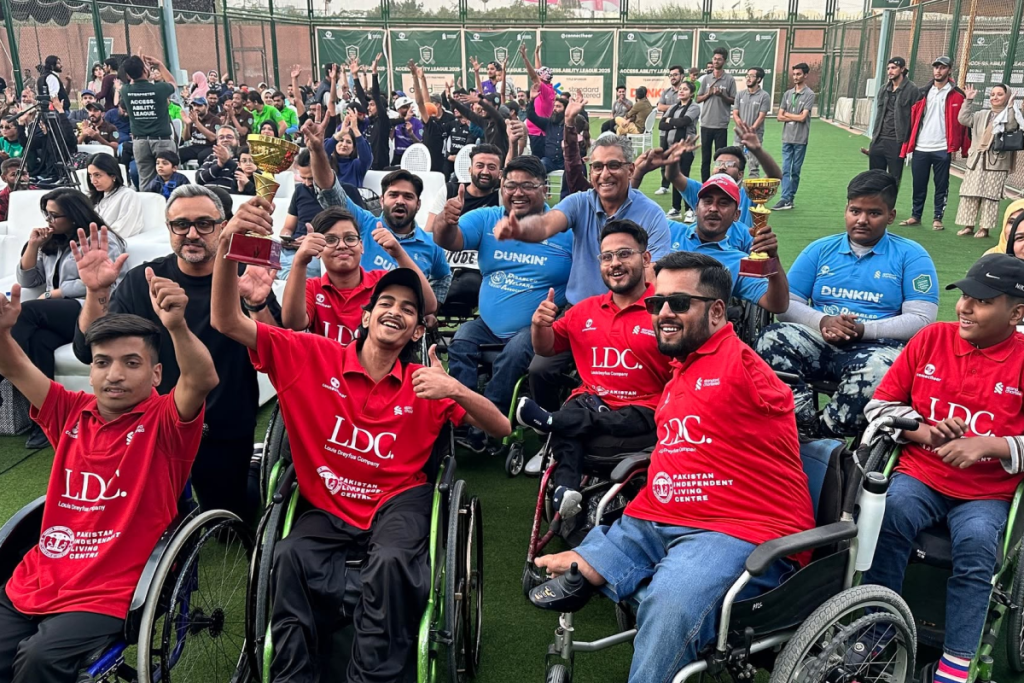
On the other hand, when community inclusion disability is taken seriously, it creates spaces where individuals feel comfortable engaging with others. This leads to stronger connections, better mental well-being, and a greater sense of belonging.
Importance of PWD Welfare Programs
Programs focused on PWD welfare are essential in addressing the practical needs of people with disabilities. These programs provide structured support that helps individuals manage daily challenges while working toward independence.
PWD welfare initiatives often include:
- Access to healthcare and rehabilitation services
- Educational support for children and adults
- Skill development and vocational training
- Financial assistance or guidance
These programs act as a foundation. Without them, many individuals would struggle to access even basic opportunities.
However, effective PWD welfare goes beyond assistance. It also focuses on building capacity. Instead of creating long-term dependency, it aims to equip individuals with the tools and knowledge they need to make their own decisions.
For families, these programs provide relief and clarity. Parents and caregivers often carry the responsibility of planning for the future. With proper welfare support, they gain access to resources and guidance that make this process more manageable.
It is also important for welfare programs to be consistent. One-time support may help temporarily, but long-term impact comes from sustained efforts that adapt to the changing needs of individuals.
Social Support for Disabled Persons
Social support plays a central role in shaping the experience of a person with a disability. Even when services are available, the presence of understanding and supportive relationships can make a significant difference.
Support can come from:
- Family members
- Friends and peers
- Community groups
- Local organizations
In the context of community inclusion disability, social support helps individuals feel accepted rather than different. It encourages participation in everyday activities, from attending events to pursuing education or employment.
Peer networks are especially valuable. When individuals connect with others who share similar experiences, it creates a sense of belonging. They exchange ideas, offer guidance, and provide encouragement during difficult times.
Families also benefit from strong support systems. Caring for a person with a disability can be emotionally and physically demanding. Access to community networks allows families to share responsibilities and gain insights from others in similar situations.
Social support is closely linked to PWD welfare programs. When formal services and informal networks work together, individuals receive both practical assistance and emotional reassurance.
In many cases, improving social support does not require large investments. Simple actions such as inclusive communication, respectful behavior, and willingness to understand can create a more welcoming environment.
NGO Role in Disability Inclusion
Non-governmental organizations play a critical role in advancing community inclusion of disability. They often work at the grassroots level, identifying gaps and providing solutions that are directly relevant to local communities.
Organizations like the Pakistan Independent Living Centre (PILC) focus on creating systems that support independent living. Their work includes:
- Training individuals in daily living skills
- Providing access to assistive technologies
- Offering counseling and guidance
- Facilitating community engagement programs
Through these efforts, NGOs contribute to both inclusion and PWD welfare. They not only provide services but also raise awareness about the importance of accessibility and equal participation.
Another important role is advocacy. NGOs highlight issues that may otherwise go unnoticed, such as inaccessible public spaces or lack of inclusive education. By bringing these concerns to attention, they encourage change at a broader level.
Collaboration is also key. NGOs often work with schools, businesses, and local authorities to create more inclusive environments. These partnerships help extend the impact of their programs.
In many cases, NGOs act as a starting point. They introduce ideas and practices that, over time, can be adopted by larger institutions and communities.
Benefits of Inclusive Communities
Communities that prioritize inclusion create better outcomes for everyone, not just people with disabilities. When community inclusion disability becomes part of everyday practice, it leads to a more balanced and supportive environment.
For individuals with disabilities, inclusive communities provide:
- Greater independence in daily life
- Opportunities to participate in social and professional activities
- Improved confidence and self-esteem
For families, the benefits include reduced stress and a stronger sense of security. Knowing that their loved ones are accepted and supported allows them to focus on long-term growth rather than immediate challenges.
From a broader perspective, inclusive communities:
- Encourage diversity in thought and experience
- Strengthen social connections
- Promote fairness and equal treatment
Efforts related to PWD welfare also become more effective in inclusive environments. When communities are open and aware, welfare programs can reach more people and create lasting impact.
Inclusion also changes attitudes over time. What once seemed unfamiliar becomes part of daily life. Children grow up seeing diversity as normal, and future generations become more accepting by default.
Building inclusive communities is an ongoing process. It requires awareness, consistent effort, and a willingness to adjust existing systems. The combination of community inclusion disability initiatives and strong PWD welfare programs creates a path where individuals are not limited by their surroundings.
When people with disabilities are given the space to participate fully, communities become stronger, more connected, and more reflective of the diversity they already hold.