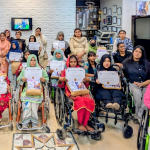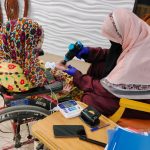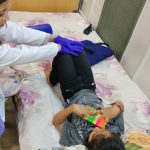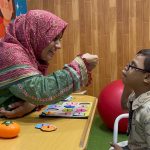


In Pakistan, the journey toward full inclusion for people with disabilities is still unfolding. While awareness has grown over the years, access to structured support, skill development, and meaningful employment remains uneven. This makes identifying the best organizations for special persons in Pakistan essential for individuals, families, and communities seeking guidance and opportunities.
These organizations not only provide practical support but also create pathways for independence, empowerment, and social participation. Their work demonstrates that people with disabilities are capable contributors when given the right resources and environment.
NGOs Supporting Special Persons
Non-governmental organizations play a central role in bridging gaps between disability, access, and opportunity. By offering targeted programs, these organizations focus on the holistic development of individuals.
Some of the best organizations for special persons in Pakistan include networks that provide:
- Skill training and vocational programs
- Accessible educational support
- Personal assistance for daily living
- Counseling and emotional guidance
Such NGOs ensure that support goes beyond temporary relief. They empower individuals to participate actively in family, professional, and community life. For many families, knowing that their loved one has access to consistent and professional care reduces stress and opens doors to long-term planning.
These organizations also serve as advocates. They raise awareness about accessibility, inclusive policies, and the rights of people with disabilities. Their efforts help shift societal attitudes, gradually making inclusion a shared responsibility rather than an exception.
When individuals engage with these NGOs, they not only receive services but also become part of a network that encourages independence, learning, and confidence.
Outsourcing Work to Disabled Persons
One innovative approach that has gained attention is outsourcing to disabled individuals. Many companies now recognize the potential of hiring people with disabilities for specialized tasks, particularly in sectors such as data entry, digital services, and remote administrative work.
Outsourcing tasks to capable individuals addresses multiple needs:
- Companies gain access to dedicated and skilled talent.
- People with disabilities receive meaningful employment.
- Families experience financial stability and independence.
Programs that encourage outsourcing to disabled personnel often include training and supervision, ensuring that both parties benefit. The model is flexible and can adapt to remote work, making it suitable for individuals facing mobility challenges.
This approach also helps normalize disability in the workplace. When businesses see the productivity and skill of employees with disabilities, it challenges outdated assumptions and encourages further inclusion.
NGOs often play a facilitative role in these arrangements, connecting trained candidates to organizations willing to outsource work and providing follow-up support to ensure success.
Employment Opportunities for PWD
Employment is more than a source of income; it is a path toward autonomy, recognition, and social participation. Yet for many people with disabilities, access to professional roles remains limited.
The availability of structured employment opportunities for PWD is closely tied to skill development, supportive workplaces, and societal awareness. Opportunities can range from traditional office-based roles to remote and flexible work arrangements, particularly in IT, customer support, and creative sectors.
When opportunities are inclusive:
- Individuals gain confidence in their abilities.
- Families experience reduced financial and emotional stress.
- Organizations benefit from diverse perspectives.
In Pakistan, increasing collaboration between NGOs, private companies, and government initiatives has expanded the landscape of employment. Programs focused on skill mapping, vocational training, and job placement are helping more people with disabilities move into meaningful roles.
However, gaps remain. Many workplaces are still physically or socially inaccessible, and awareness about potential contributions of PWD is limited. Addressing these gaps is crucial to making employment truly inclusive.
Role of NGOs in Skill Development
Skill development is a cornerstone of inclusion. Without it, employment opportunities remain out of reach. NGOs, recognized among the best organizations for special persons in Pakistan, have been instrumental in providing structured training programs.
These programs often include:
- Technical skills for sectors like IT, digital marketing, and crafts
- Soft skills such as communication, time management, and teamwork
- Vocational training tailored to individual abilities
- Mentorship and guidance to navigate workplace expectations
By combining disability support services with hands-on skill development, NGOs ensure that individuals are prepared for real-world challenges. They also provide ongoing support, monitoring progress and offering guidance when needed.
Skill development is not a one-size-fits-all process. Each individual has unique strengths and challenges. NGOs help map these abilities and match them to relevant opportunities, increasing the chances of successful employment.
Benefits of Inclusive Employment
Inclusive employment creates benefits that extend beyond the workplace. For individuals, access to professional roles provides:
- Financial independence
- A sense of purpose and routine
- Opportunities for personal and professional growth
- Increased social engagement
For organizations, hiring people with disabilities enhances:
- Diversity of thought and problem-solving approaches
- Team resilience and adaptability
- Positive reputation as socially responsible employers
Society at large also benefits. When more people participate in the workforce, overall productivity improves. Families experience less dependency, and communities become more inclusive and understanding.
Programs such as outsourcing to disabled demonstrate a practical pathway to inclusive employment. They show that with proper support, individuals can contribute effectively to organizations while achieving personal autonomy.
By supporting and engaging with the Best Organizations for Special Persons in Pakistan, businesses, families, and communities collectively strengthen systems of empowerment, skill development, and employment.
The work of NGOs and inclusive employment initiatives demonstrates that people with disabilities are capable contributors when barriers are addressed thoughtfully. Whether through outsourcing to disabled individuals, skill development programs, or accessible workplaces, the combination of opportunity and support transforms lives, strengthens communities, and builds a more equitable society.
When inclusion becomes practice, not just principle, Pakistan moves closer to a future where every individual, regardless of ability, can participate fully and confidently.