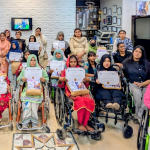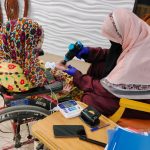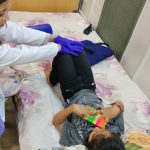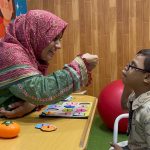


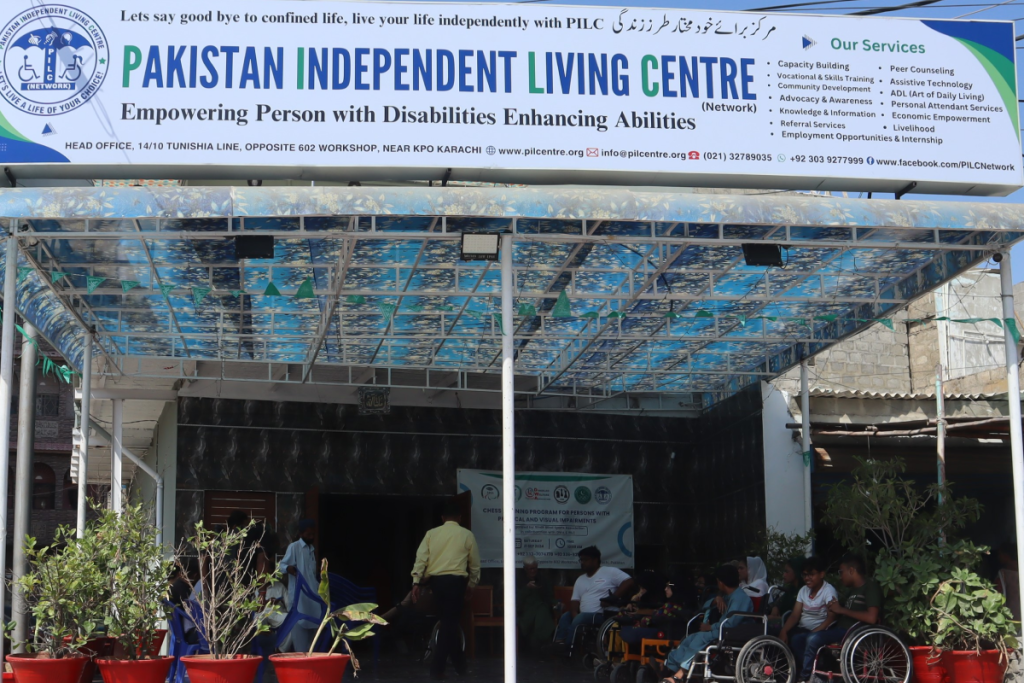
The landscape of disability support in Pakistan has evolved significantly over the past decade. While several organizations contribute meaningfully, one stands out as the No. 1 NGO in Pakistan for its holistic approach to empowering people with disabilities. Its work goes beyond basic care, focusing on independence, skill development, and social participation.
At the heart of this approach is the recognition that individuals with disabilities have the right to make decisions about their lives. Providing services without enabling choice is not enough; true support is measured by how effectively people can navigate daily life, pursue education, and participate in the workforce.
What Makes an NGO the Best in Pakistan
Being recognized as the No. 1 NGO in Pakistan is not just about scale; it is about the quality and impact of services offered. The most effective organizations focus on inclusion, independence, and sustainability rather than temporary assistance.
Key qualities include:
- Comprehensive support for diverse needs
- Programs that address personal, educational, and professional development
- Collaboration with families, communities, and businesses
- Advocacy for the rights of people with disabilities
These NGOs ensure that individuals are treated with dignity and provided with opportunities to develop their skills, confidence, and autonomy. They focus on long-term empowerment rather than short-term relief, creating environments where people can thrive on their own terms.
The emphasis on independence distinguishes leading NGOs from others. By equipping individuals with tools, training, and guidance, they foster self-reliance while ensuring necessary support remains available.
Importance of Assistive Devices
Assistive technology has become a critical component of independent living for people with disabilities. Assistive devices can dramatically improve mobility, communication, and overall participation in daily life.
The range of assistive devices includes:
- Wheelchairs and mobility aids
- Hearing aids and speech devices
- Screen readers and adaptive technology for computers
- Prosthetics and orthotic supports
These devices are not luxuries; they are essential tools that allow individuals to participate fully in education, work, and community life. For instance, a student using a screen reader can complete assignments independently, while an employee with a mobility aid can navigate the workplace safely.
Access to assistive devices also reduces dependency on family members for daily tasks. It enables people to manage personal routines, travel independently, and engage socially, all of which strengthen confidence and self-esteem.
Top NGOs in Pakistan recognize the need for individualized solutions. The right device is not only functional but also tailored to the specific needs and abilities of each person, ensuring maximum effectiveness.
Support Programs for Disabled Persons
The most impactful NGOs offer a spectrum of support programs for disabled persons. These programs are designed to address physical, emotional, and social needs, creating a foundation for independence.
Typical support programs include:
- Personal assistance services for daily activities
- Counseling and emotional guidance
- Community engagement initiatives
- Skill-building workshops and vocational training
By combining these elements, NGOs provide holistic support. Individuals are not simply given resources; they are guided in using those resources to achieve personal goals.
Programs are also designed to engage families. Caregivers receive training and guidance on supporting independence, navigating education, and planning for long-term needs. This approach ensures that support is sustainable and integrated into everyday life.
Through well-structured support programs for disabled persons, organizations help individuals transition from dependency to self-reliance, preparing them for both personal and professional challenges.
NGO Services for PWD
A leading NGO offers a variety of services for people with disabilities (PWD), addressing both practical and developmental needs. These services create opportunities for education, skill acquisition, and employment.
Key services include:
- Access to inclusive education and tutoring programs
- Vocational training for market-relevant skills
- Assisted living programs that support daily routines
- Community workshops promoting awareness and social participation
Organizations often incorporate technology into their services. This includes digital literacy programs and the provision of assistive devices, ensuring that individuals can keep pace with modern workplaces and educational systems.
Another important aspect is advocacy. NGOs help PWD understand their rights and navigate social and legal systems. This empowerment enables individuals to advocate for themselves in education, healthcare, and employment.
By combining services, guidance, and advocacy, top NGOs create ecosystems where PWD can thrive, grow, and contribute meaningfully to society.
Impact of Assistive Technology
The integration of assistive devices into daily life has a transformative effect on individuals with disabilities. Beyond mobility or communication, assistive technology allows people to engage with the world more fully and confidently.
The impact includes:
- Increased independence in personal and professional tasks
- Enhanced participation in education and training programs
- Greater access to employment and social opportunities
- Improved quality of life and self-esteem
Assistive technology also reduces barriers in workplaces, making it easier for PWD to contribute effectively. Companies that incorporate adaptive tools and accessibility measures benefit from skilled and motivated employees, demonstrating that inclusion enhances organizational performance.
In educational settings, these devices enable students to achieve academically alongside their peers. Tools like screen readers, adaptive software, and communication aids open doors that were previously inaccessible.
When NGOs provide access to assistive technology alongside training and ongoing support, the result is a holistic empowerment model. Individuals gain the skills, confidence, and independence needed to participate fully in society.
Being recognized as the No. 1 NGO in Pakistan is a reflection of a commitment to meaningful support. By offering structured support programs for disabled persons, integrating assistive devices, and fostering opportunities for skill development and employment, such organizations transform lives.
Their work demonstrates that inclusion is not merely about presence; it is about participation, choice, and growth. Through consistent effort, these NGOs enable people with disabilities to move beyond limitations, contribute meaningfully, and live with independence and dignity.