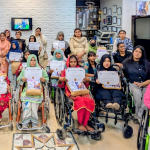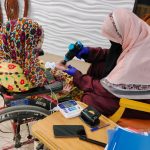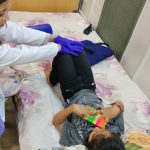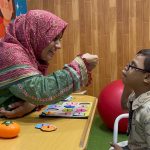


Access to meaningful employment is a fundamental aspect of disability rights, yet persons with disabilities often face significant barriers in education, training, and the workforce. Vocational training programs designed specifically for persons with disabilities provide the skills, guidance, and opportunities necessary to pursue gainful employment, achieve financial independence, and exercise their rights fully. By combining skill development, mentorship, and community engagement, these initiatives empower individuals to participate actively in society while promoting equality, inclusion, and social justice.
Vocational training is more than skill acquisition; it is a tangible way to uphold disability rights and create pathways for independence and self-reliance.
Understanding Rights-Based Employment
A rights-based approach to employment ensures that persons with disabilities are treated equitably in workplaces and have access to opportunities that match their capabilities. This approach focuses on:
- Legal protections that prevent discrimination and promote inclusion
- Reasonable workplace accommodations tailored to individual needs
- Advocacy to raise awareness among employers and policymakers
- Access to education and vocational training as a foundation for employment
- Empowerment for persons with disabilities to assert their rights confidently
By integrating disability rights into vocational programs, individuals are not only equipped with technical skills but also with the knowledge and confidence to advocate for fair treatment in professional settings.
Skill Development Programs
Vocational training programs offer comprehensive skill development tailored to the unique needs of participants. Key elements include:
- Technical skills: IT, administrative support, graphic design, and specialized trades
- Soft skills: Communication, teamwork, problem-solving, and professional etiquette
- Adaptive strategies: Using assistive technologies, ergonomic tools, and accessibility software
- Entrepreneurship training: Planning, marketing, and managing small businesses
- Career guidance: Resume writing, interview preparation, and job placement support
By developing both hard and soft skills, participants are prepared for sustainable employment and can navigate workplace environments confidently.
Economic Empowerment
Economic empowerment is a core outcome of vocational training programs. Benefits for persons with disabilities include:
- Financial independence and reduced reliance on family or social support
- Opportunities to start businesses or freelance careers
- Access to professional networks and mentoring opportunities
- Increased capacity to invest in personal growth, healthcare, and education
- Enhanced ability to contribute to local economies and community development
Vocational training not only equips participants with marketable skills but also strengthens their economic position, supporting broader social and personal empowerment goals.
Inclusive Employment Pathways
Creating inclusive employment pathways is essential for actualizing disability rights. Programs focus on:
- Partnerships with employers committed to diversity and accessibility
- Internship and apprenticeship opportunities for hands-on experience
- Flexible and remote work options to accommodate diverse needs
- Advocacy for workplace policies that protect and support persons with disabilities
- Monitoring and support to ensure long-term employment retention and growth
These pathways ensure that vocational training leads directly to meaningful work opportunities, bridging the gap between skills and employment.
Long-Term Independence Outcomes
The long-term benefits of combining vocational training with a rights-based approach to employment are substantial:
- Sustained financial independence and self-reliance
- Enhanced confidence and professional identity
- Improved social participation and community integration
- Empowered individuals capable of advocating for themselves and others
- Societal recognition of the value and capabilities of persons with disabilities
By focusing on skills, employment access, and legal rights, vocational training programs create lasting change for participants and their communities.
Community Engagement and Advocacy
Vocational training initiatives often include community-focused components that support disability rights:
- Awareness campaigns about the potential and contributions of persons with disabilities
- Peer mentoring programs connecting new trainees with experienced professionals
- Public workshops and events that showcase talent and achievements
- Advocacy for inclusive policies in schools, workplaces, and government institutions
- Collaboration with local organizations to expand access and reach
Community engagement reinforces the social and cultural dimensions of inclusion, ensuring that vocational training has both personal and societal impact.
Personal Development and Confidence Building
Beyond technical skills, vocational programs promote holistic personal growth:
- Developing self-esteem and belief in personal capabilities
- Practicing problem-solving and decision-making in real-world contexts
- Strengthening communication and leadership skills
- Learning adaptive strategies for workplace and daily challenges
- Building resilience through mentorship and peer support
These personal development components complement skill acquisition, enabling participants to thrive in both professional and social environments.
Success Stories
Many persons with disabilities have achieved transformative outcomes through vocational training programs:
- Young adults securing full-time employment after completing IT and administrative courses
- Individuals launching small businesses, gaining economic independence and confidence
- Participants acting as community advocates, mentoring others with disabilities
- Families reporting enhanced quality of life and reduced caregiving pressures
- Broader communities recognizing and celebrating the skills and contributions of persons with disabilities
These stories demonstrate the practical, empowering impact of combining disability rights principles with vocational training initiatives.
Enroll in Vocational Training Programs
Persons with disabilities seeking to advance their skills, achieve employment, and exercise their rights can access vocational training programs offered by leading NGOs. Programs provide skill-building, mentorship, career placement, and advocacy support to ensure participants gain confidence, independence, and meaningful societal participation.
Take action today: enroll in vocational training programs to enhance skills, secure employment, and embrace the principles of disability rights for long-term empowerment and social inclusion.