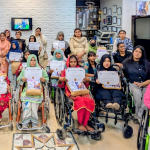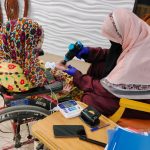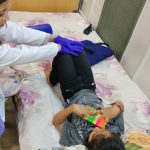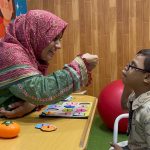


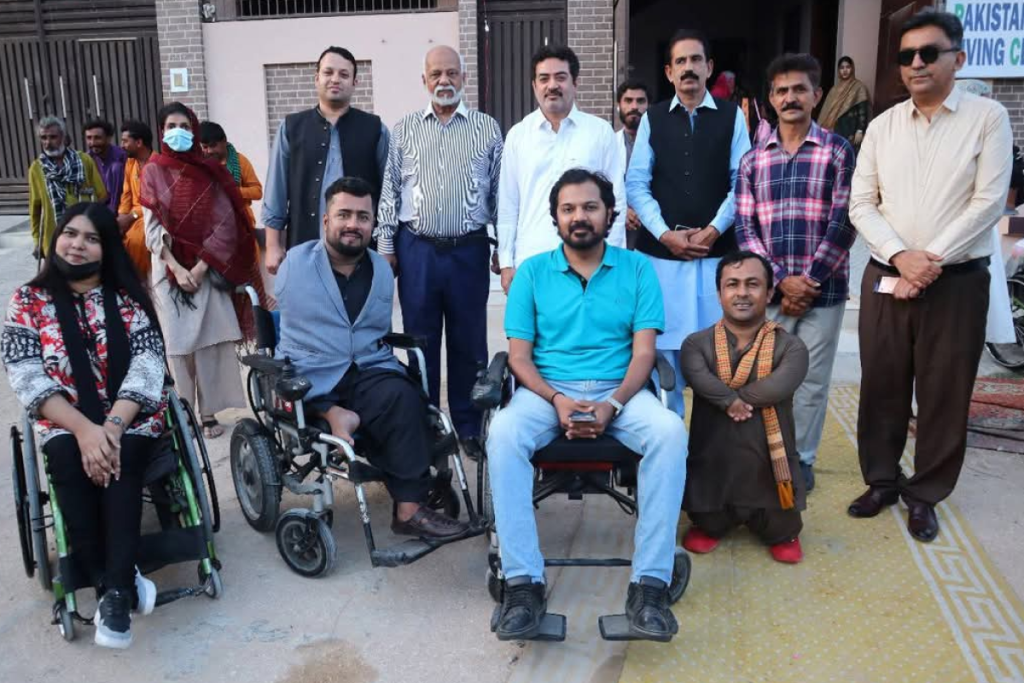
In many parts of Hyderabad, people with disabilities still face daily barriers that go far beyond physical limitations. Access to education, employment, public spaces, and even basic social participation often depends on systems that were never designed with them in mind. In such an environment, the presence of a reliable NGO in Hyderabad Pakistan, becomes more than helpful; it becomes necessary.
Organizations working in this space are not only providing services; they are reshaping how society understands disability. Instead of treating individuals as dependents, they focus on enabling people to make their own choices, manage their own routines, and take part in decisions that affect their lives. This shift may sound simple, but for many families, it changes everything.
A key part of this work also involves emotional and psychological support. Access to counseling for disabled individuals and their families can reduce isolation, build confidence, and create a sense of direction that many people struggle to find on their own. Together, practical support and emotional guidance form the foundation of meaningful change.
Role of NGOs in Hyderabad, Pakistan
The role of an NGO in Hyderabad, Pakistan, is deeply connected to the gaps that exist in public systems. While government initiatives continue to grow, many communities still rely on non-profit organizations to provide consistent, accessible support.
These organizations act as a bridge connecting individuals with resources, opportunities, and networks that might otherwise remain out of reach. Their work often begins at the grassroots level, identifying people who are not part of any formal support system and bringing them into a structured environment where they can receive guidance.
For people with disabilities, this can mean:
- Assistance in accessing education
- Guidance in learning daily living skills
- Support in finding employment opportunities
- Help in understanding their rights
But the impact is not limited to individuals alone. Families also benefit from the presence of a strong NGO in Hyderabad, Pakistan. Parents who once felt uncertain about their child’s future begin to see possibilities. Siblings gain awareness. Communities start to question long-held assumptions.
Another important role is advocacy. NGOs often work quietly but consistently to highlight issues such as inaccessible buildings, lack of inclusive education, and limited workplace opportunities. By doing so, they contribute to long-term improvements that benefit not just one individual but entire communities.
Counseling for Disabled Persons
Living with a disability is not only a physical experience; it is also emotional and psychological. Many individuals face feelings of isolation, frustration, or self-doubt, especially in environments where support is limited or misunderstood. This is where counseling for disabled individuals becomes essential.
Counseling provides a safe and respectful space where people can express their concerns without fear of judgment. It helps individuals process their experiences, understand their strengths, and develop ways to handle everyday challenges. Over time, this builds confidence and a stronger sense of self.
For many people, access to counseling for disabled services can:
- Reduce anxiety and stress
- Improve communication skills
- Strengthen decision-making ability
- Encourage social interaction
Families also benefit significantly. Parents often carry emotional stress that is rarely addressed. They worry about long-term care, education, and financial stability. Through counseling for disabled support programs, families can learn how to better support their loved ones while also taking care of their own well-being.
What makes these services effective is not just professional expertise but also understanding. Counselors who work closely with disability communities are better able to relate to real-life situations. They recognize that each individual’s experience is different and tailor their approach accordingly.
In many cases, counseling also helps shift internal beliefs. Individuals begin to see themselves not as limited, but as capable people who simply require the right environment to function independently.
Services for People with Disabilities
A well-structured NGO in Hyderabad, Pakistan, offers a range of services that address different aspects of daily life. These services are designed to reduce dependency and increase participation in society.
One of the most important areas is skill development. Many individuals have the ability to work but lack access to training. NGOs step in to provide vocational programs that match a person’s abilities with practical opportunities. This could include computer skills, small business training, or craft-based work.
Another key service is personal support. Some individuals require assistance with daily routines such as mobility, communication, or household tasks. NGOs often provide trained attendants or structured programs that help individuals manage these activities while maintaining their independence as much as possible.
Technology also plays an increasing role. Access to assistive tools and digital platforms allows individuals to communicate, learn, and work more effectively. A forward-thinking NGO in Hyderabad, Pakistan, ensures that people are not left behind as the world becomes more technology-driven.
In addition, educational support is critical. Many children with disabilities either drop out of school or never enroll due to lack of accessibility. NGOs work to create pathways for inclusive education, helping children enter schools and stay there.
Health and rehabilitation services are another important component. Regular therapy, guidance, and follow-up care help individuals maintain their physical well-being and improve their quality of life.
Each of these services may seem separate, but together they create a system that supports independent living in a practical and realistic way.
Community Support Programs
Real change does not happen in isolation. It requires communities to become more aware, more accepting, and more willing to adjust. This is why community-based programs are a central part of any effective NGO in Hyderabad, Pakistan.
These programs aim to involve not just individuals with disabilities, but also the people around them. Awareness sessions, workshops, and local events help break down misconceptions and encourage inclusive behavior.
For example, community meetings can address:
- The importance of accessible public spaces
- How to communicate respectfully with people with disabilities
- The value of inclusive education and employment
When communities begin to understand these ideas, small but meaningful changes start to appear. Shopkeepers become more considerate. Schools become more open. Employers become more willing to offer opportunities.
Another important aspect is peer support. Bringing individuals with similar experiences together creates a sense of belonging. People share their challenges, learn from each other, and build networks that continue beyond formal programs.
Community support also strengthens families. When parents see others going through similar journeys, it reduces the feeling of isolation. They gain practical insights and emotional reassurance that they are not alone.
Through consistent engagement, these programs gradually change attitudes. What once seemed unfamiliar becomes normal, and inclusion becomes part of everyday life.
How NGOs Improve Lives of Disabled People
The impact of a dedicated NGO in Hyderabad, Pakistan, can be seen in everyday moments. A person who once stayed indoors begins to participate in community activities. A young adult who struggled to find direction starts earning a living. A parent who felt overwhelmed gains clarity and confidence.
These changes may not always be dramatic, but they are deeply meaningful.
Access to counseling for disabled individuals plays a major role in this improvement. Emotional well-being affects every other part of life. When people feel heard and supported, they are more likely to take steps toward independence.
NGOs also create structure. They provide routines, guidance, and opportunities that help individuals move forward at their own pace. Instead of being dependent on uncertain support, people begin to build their own paths.
Perhaps the most important contribution is the shift in perception. Disability is no longer seen as a limitation that defines a person’s entire life. Instead, it is understood as one aspect of a much broader identity.
Over time, this shift influences society as a whole. More inclusive practices become common. Barriers are gradually reduced. And individuals with disabilities find themselves in spaces where they were once absent. The work is ongoing, and challenges remain. But with consistent effort, the presence of a strong NGO in Hyderabad, Pakistan, continues to make a lasting difference, one individual, one family, and one community at a time.