

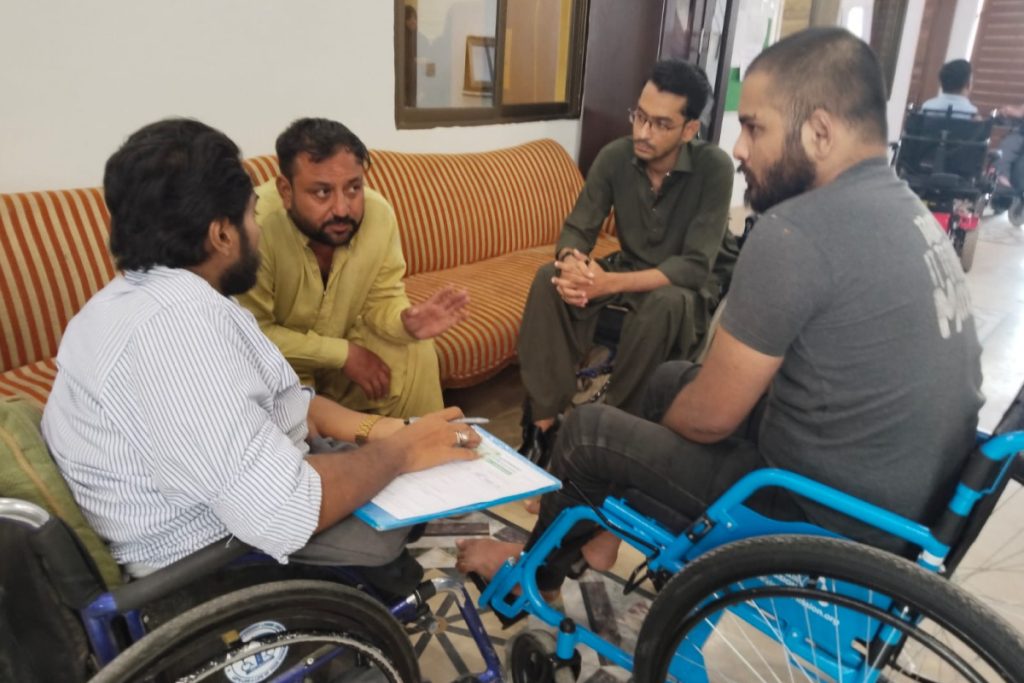
Persons with disabilities often encounter barriers that prevent full participation in society, from education and employment to social and recreational activities. Social Inclusion PWD initiatives aim to address these gaps, ensuring that every person with a disability can access opportunities, build confidence, and engage meaningfully with their communities. By combining awareness campaigns, advocacy, skill development, and inclusive programming, organizations empower individuals while transforming societal attitudes toward disability.
Social inclusion is not just an ideal, it is a tangible pathway to independence, dignity, and equitable participation for all.
Understanding Social Exclusion Challenges
Many persons with a disability face social exclusion that limits opportunities for learning, employment, and community engagement. Key challenges include:
- Physical barriers such as inaccessible buildings, transportation, and public spaces
- Educational limitations due to lack of adaptive tools or inclusive teaching methods
- Employment discrimination or limited job opportunities
- Social stigma and misconceptions about capabilities
- Reduced access to healthcare and rehabilitation services
Addressing these challenges is central to Social Inclusion PWD programs, which seek to remove obstacles and create pathways to active participation in society.
Awareness and Advocacy Programs
Awareness and advocacy are critical tools in promoting social inclusion for PWD. Programs focus on:
- Educating communities about the rights and abilities of persons with disabilities
- Conducting workshops and campaigns to challenge stigma and promote acceptance
- Training local leaders, educators, and employers on accessibility and inclusion strategies
- Facilitating dialogues between policymakers, NGOs, and community members
- Encouraging media coverage and storytelling that highlights the achievements of persons with disabilities
Through these initiatives, organizations ensure that society recognizes the value of every person with a disability, creating an environment that fosters equality and respect.
Equal Participation in Education and Work
A central goal of Social Inclusion PWD initiatives is to provide equitable access to education and employment opportunities. This involves:
- Inclusive classrooms with adaptive learning tools and assistive technologies
- Scholarship programs and mentorship for students with disabilities
- Vocational training, internships, and career guidance tailored to individual skills
- Partnerships with companies to promote disability-friendly workplaces
- Remote and flexible work options to accommodate diverse needs
By enabling persons with a disability to learn, work, and contribute economically, these programs empower individuals to lead independent and fulfilling lives.
Community Engagement and Transformation
Social inclusion extends beyond individual participation; it reshapes communities. Key strategies include:
- Inclusive recreational and cultural programs that welcome participation from all
- Peer support networks and mentorship programs that connect individuals
- Local advocacy initiatives that involve communities in creating accessible spaces
- Volunteer opportunities for persons with disabilities to contribute to civic life
- Collaborations with schools, workplaces, and local governments to implement inclusive policies
These efforts foster awareness, reduce stigma, and create sustainable inclusion, transforming communities into supportive environments where every person with a disability can thrive.
Building Confidence and Social Skills
Inclusive programs focus on personal growth alongside social participation. Social Inclusion PWD initiatives help participants:
- Develop self-advocacy and communication skills
- Improve interpersonal relationships and teamwork abilities
- Gain confidence in navigating public, educational, and professional spaces
- Participate in community projects that enhance problem-solving and leadership
- Celebrate personal achievements and milestones within peer groups
Strengthening these skills ensures that persons with a disability can engage actively in society and assert their rights with confidence.
Access to Healthcare and Rehabilitation
Effective Social Inclusion PWD initiatives integrate access to health and rehabilitation services:
- Physiotherapy, occupational therapy, and mobility training
- Mental health support to address stress, anxiety, or social isolation
- Provision of assistive devices such as wheelchairs, hearing aids, or prosthetics
- Guidance for families and caregivers to support independence
- Health education and preventive care programs
Healthcare access supports functional independence, which is critical for participation in education, employment, and social activities.
Long-Term Impact of Social Inclusion Programs
The long-term benefits of Social Inclusion PWD initiatives are profound:
- Increased independence and autonomy for participants
- Higher educational attainment and better employment outcomes
- Strengthened community networks and social cohesion
- Greater societal awareness, acceptance, and reduced stigma
- Enhanced quality of life, dignity, and well-being for every person with a disability
By addressing barriers and fostering inclusion, these programs transform both individuals and communities, creating a society that values diversity and capability.
Success Stories and Transformative Examples
Across Pakistan, Persons with a Disability have achieved remarkable milestones through Social Inclusion PWD programs:
- Students using assistive technologies graduate and pursue higher education
- Adults with disabilities gain employment or start businesses, achieving financial independence
- Community members develop awareness and advocate for accessibility improvements
- Social networks and peer support groups empower participants to mentor others
- Families experience strengthened relationships as individuals take on responsibilities independently
These success stories highlight the transformative power of inclusion programs, showing that meaningful participation benefits both individuals and society.
Enroll and Participate
Persons with disabilities and their families can access Social Inclusion PWD programs through leading NGOs and humanitarian organizations. These initiatives provide education, training, mentorship, and community integration opportunities to ensure that every person with a disability can thrive.
Take action today: contact a local organization to enroll, participate in programs, and contribute to building a more inclusive, equitable, and empowered society.





Leave a Reply