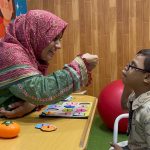
Inclusive living ensures that persons with disabilities (PWDs) participate fully in society with dignity, independence, and equal opportunity. It moves beyond basic accessibility and focuses on belonging, contribution, and community engagement. A strong Disability Network plays a vital role in making this vision practical and sustainable. Through structured support systems, peer collaboration, and mentorship, individuals with disabilities can navigate daily life with confidence while strengthening their social participation.
When communities prioritize connection and empowerment, inclusive living becomes a shared responsibility rather than an isolated effort.
Understanding the Concept of Inclusive Living
At its foundation, inclusive living refers to creating environments where persons with disabilities can live independently while actively engaging in social, educational, and economic activities. It emphasizes:
- Equal access to housing, transportation, and public spaces
- Opportunities for employment and skill development
- Participation in cultural and civic activities
- Autonomy in personal decision-making
- Recognition of abilities rather than limitations
True inclusive living is not limited to physical accessibility. It includes emotional support, community acceptance, and economic participation. When these elements align, individuals experience a greater sense of belonging and purpose.
The Importance of Disability Support Networks
A structured disability network provides a platform for guidance, collaboration, and advocacy. These networks may include NGOs, peer groups, community leaders, mentors, and service providers working together to promote inclusion.
Support networks help individuals:
- Access information about rights and services
- Connect with employment or education opportunities
- Receive emotional and psychological encouragement
- Share experiences and problem-solving strategies
- Build confidence through collective engagement
A strong disability network reduces isolation and creates an environment where individuals can grow socially and professionally.
Peer Collaboration and Shared Experiences
Peer collaboration is one of the most powerful components of inclusive communities. Within a disability network, individuals learn from others who share similar experiences and challenges.
Peer collaboration fosters:
- Emotional reassurance and understanding
- Exchange of practical coping strategies
- Encouragement to pursue goals
- Group-based skill-building workshops
- Joint participation in community activities
When individuals witness others overcoming similar obstacles, they feel motivated and empowered. This strengthens inclusive living by reinforcing the belief that success and participation are achievable.
Mentorship and Leadership Development
Mentorship programs within a disability network help bridge the gap between aspiration and achievement. Experienced individuals guide newcomers in navigating education, employment, or independent living.
Effective mentorship provides:
- Career guidance and professional advice
- Assistance with goal-setting and planning
- Support during transitions such as employment or relocation
- Confidence-building through constructive feedback
- Leadership development opportunities
Through mentorship, individuals become role models themselves, reinforcing a cycle of empowerment that sustains inclusive living across generations.
Social Participation and Community Engagement
Active participation in community life is central to inclusive living. Disability support networks create pathways for engagement in various spheres:
- Cultural and recreational activities
- Volunteer and civic initiatives
- Educational programs and workshops
- Employment and entrepreneurship events
- Advocacy campaigns and awareness drives
These opportunities strengthen visibility and normalize disability inclusion within society. A strong disability network ensures that individuals are not excluded from mainstream experiences.
Emotional and Psychological Benefits
Inclusive communities foster emotional resilience. Participation within a disability network helps reduce feelings of isolation and dependency.
Key benefits include:
- Improved self-esteem and confidence
- Stronger interpersonal relationships
- Reduced anxiety related to discrimination
- Sense of belonging within supportive communities
- Motivation to pursue personal and professional goals
When individuals feel valued, inclusive living becomes not only possible but also sustainable.
Strengthening Independent Living Skills
Support networks also contribute to practical independence. Programs often include:
- Life skills training
- Financial literacy education
- Self-advocacy workshops
- Technology and digital skills development
- Problem-solving and decision-making guidance
These initiatives reinforce autonomy and ensure that inclusive living is supported by practical competencies. The Disability Network acts as both a safety net and a launchpad for independence.
Advocacy and Collective Voice
A united community carries greater influence than isolated individuals. Disability networks advocate for inclusive policies, accessible infrastructure, and equitable employment practices.
Through organized efforts, a disability network can:
- Influence local and national policy reforms
- Promote inclusive education systems
- Encourage corporate diversity initiatives
- Organize awareness campaigns
- Represent community concerns in public forums
Collective advocacy strengthens inclusive Living by addressing systemic barriers that limit participation.
Long-Term Impact on Society
The long-term impact of strong disability support systems extends beyond individuals.
For Individuals
- Greater independence
- Career and personal growth
- Stronger social identity
For Communities
- Increased diversity and representation
- Reduced stigma and discrimination
- Stronger community cohesion
For Society
- Inclusive economic participation
- Sustainable social development
- Recognition of disability as diversity rather than limitation
As networks grow stronger, inclusive living evolves into a societal norm rather than a specialized initiative.
Building Sustainable Disability Networks
To ensure sustainability, disability networks must focus on:
- Continuous training and leadership development
- Partnerships with businesses and institutions
- Accessible communication channels
- Inclusive digital platforms
- Monitoring and evaluation of impact
Strategic collaboration ensures that a disability network remains adaptive and responsive to emerging needs.
Conclusion
Inclusive living thrives when supported by strong and interconnected communities. A well-structured disability network empowers persons with disabilities through mentorship, peer collaboration, advocacy, and active social participation.
When individuals are connected, informed, and supported, they move beyond barriers toward independence and leadership. By investing in disability support networks, societies create environments where inclusion is not an exception but a shared standard, strengthening participation, dignity, and long-term empowerment for all.