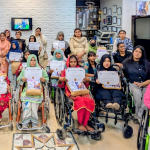


Access to mobility is a basic human need, yet thousands of individuals with limb loss struggle daily without proper assistive devices. Across the country, a dedicated Non-Profit Organization in Pakistan plays a transformative role in restoring movement, dignity, and confidence. Through structured rehabilitation programs and community partnerships, these organizations deliver Hands and Legs for Disabled (Prosthetics Support) to individuals who would otherwise remain underserved.
This blog explores the urgent need for prosthetic limbs, the assessment and fitting process, the impact on mobility and independence, and the role of donor-funded initiatives in sustaining these services.
The Growing Need for Prosthetic Limbs
Limb loss can result from accidents, medical conditions, congenital differences, infections, or conflict-related injuries. In many underserved communities, limited healthcare access delays treatment and rehabilitation. Without appropriate assistive devices, individuals often face restricted mobility, unemployment, and social isolation.
A reliable Non-Profit Organization in Pakistan addresses this gap by ensuring that prosthetic services reach individuals regardless of financial status. The demand for Hands and Legs for Disabled (Prosthetics Support) continues to rise as awareness increases and more families seek rehabilitation solutions.
The need extends beyond physical restoration. Prosthetic limbs provide:
- Improved balance and movement
- Reduced dependence on caregivers
- Greater participation in education and employment
- Enhanced mental and emotional well-being
- Opportunities for social inclusion
For many individuals, access to prosthetics is not just about walking again; it is about reclaiming independence and rebuilding life goals.
Comprehensive Assessment and Evaluation
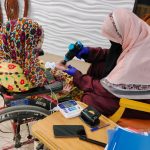
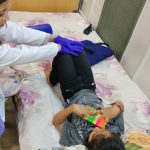
Before fitting a prosthetic limb, a thorough assessment is essential. Medical professionals, rehabilitation specialists, and prosthetists evaluate each individual’s condition to determine the most suitable device.
The assessment process typically includes:
- Medical Examination – Reviewing health history, amputation level, and healing status.
- Physical Evaluation – Assessing muscle strength, joint flexibility, and residual limb condition.
- Lifestyle Analysis – Understanding daily activities, work requirements, and mobility goals.
- Psychological Support – Addressing emotional readiness and confidence.
A structured Non-Profit Organization in Pakistan ensures that these evaluations are conducted systematically to achieve safe and functional outcomes. Each case is unique, requiring personalized solutions rather than a one-size-fits-all approach.
Measurement and Custom Fitting Process
After assessment, precise measurements are taken to create a comfortable and functional prosthetic limb. The fitting process involves multiple stages:
- Casting or digital scanning of the residual limb
- Designing a customized socket for comfort
- Fabrication of the prosthetic structure
- Trial fitting and alignment adjustments
- Final fitting with mobility testing
The goal of Hands and Legs for Disabled (Prosthetics Support) is not only to provide a device but also to ensure it integrates naturally into daily movement. Improper fitting can cause discomfort or injury, so careful alignment and adjustments are critical.
Patients typically attend follow-up sessions to monitor progress and make refinements. Ongoing support ensures long-term usability and durability.
Rehabilitation and Mobility Training
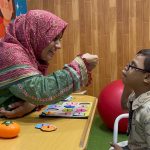
Receiving a prosthetic limb is only the beginning. Rehabilitation plays a central role in helping individuals adapt to their new assistive device.
Rehabilitation programs may include:
- Gait training and balance exercises
- Muscle strengthening routines
- Posture correction techniques
- Daily activity practice sessions
- Occupational therapy guidance
A committed Non-Profit Organization in Pakistan integrates rehabilitation with prosthetic services to maximize functionality. Professional therapists guide individuals step-by-step until they regain confidence in walking, standing, or performing routine tasks.
For upper-limb prosthetics, training focuses on gripping, lifting, writing, and handling objects safely.
Mobility and Independence Improvements
Prosthetic support significantly enhances mobility, which directly influences independence. Individuals who once relied entirely on caregivers may regain the ability to travel, work, and manage personal tasks.
Through Hands and Legs for Disabled (Prosthetics Support), beneficiaries often experience:
- Increased self-confidence
- Improved employment opportunities
- Reduced household dependency
- Greater participation in community events
- Enhanced overall quality of life
Mobility fosters dignity. When individuals move independently, they become active contributors rather than passive recipients of care. This transformation positively impacts families and communities as well.
Social and Economic Reintegration
The benefits of prosthetic support extend beyond physical movement. Many recipients return to school, resume employment, or start small businesses after rehabilitation.
A forward-thinking Non-Profit Organization in Pakistan often connects prosthetic beneficiaries with vocational training programs. This integration ensures that mobility translates into economic participation.
Economic reintegration leads to:
- Stable income generation
- Financial contribution to households
- Reduced poverty risk
- Increased community engagement
The ripple effect strengthens social inclusion and reduces stigma surrounding disability.
Donor-Funded Assistive Programs
Prosthetic limbs can be costly, particularly for families living below the poverty line. Donor-funded initiatives play a critical role in ensuring affordability and accessibility.
Through structured fundraising and partnerships, Hands and Legs for Disabled (Prosthetics Support) programs are sustained by:
- Individual donors
- Corporate social responsibility initiatives
- Philanthropic foundations
- Community fundraising drives
- International development grants
A reputable Non-Profit Organization in Pakistan maintains transparency in resource allocation, ensuring that contributions directly support prosthetic fabrication, rehabilitation, and follow-up care.
Donor engagement not only funds devices but also supports awareness campaigns and outreach services in remote areas.
Community Outreach and Awareness
Many individuals remain unaware that prosthetic services are available at little or no cost. Outreach initiatives are vital for identifying beneficiaries in rural and underserved communities.
Outreach efforts may include:
- Medical camps and screening programs
- Collaboration with hospitals and clinics
- Awareness sessions in schools and community centers
- Referral systems with local healthcare providers
By expanding outreach, Hands and Legs for Disabled (Prosthetics Support) programs reach individuals who might otherwise remain excluded from rehabilitation services.
Ensuring Long-Term Sustainability
Sustainability requires continuous innovation and resource management. Modern prosthetic technologies improve comfort and durability, but cost efficiency remains important.
A responsible Non-Profit Organization in Pakistan focuses on:
- Training skilled prosthetic technicians
- Maintaining quality control standards
- Establishing local fabrication units
- Monitoring patient outcomes
- Building long-term donor relationships
These measures ensure consistent service delivery and community trust.
Transforming Lives Through Restored Mobility
Prosthetic support is more than a medical intervention, it is a pathway to restored independence and renewed confidence. By providing customized devices, rehabilitation, and long-term follow-up, Hands and Legs for Disabled (Prosthetics Support) initiatives empower individuals to reclaim active roles in society.
Through sustained donor engagement and professional rehabilitation practices, a dedicated Non-Profit Organization in Pakistan continues to bridge the accessibility gap. The result is not only improved mobility but also strengthened communities where individuals with disabilities can live with dignity, opportunity, and hope.