

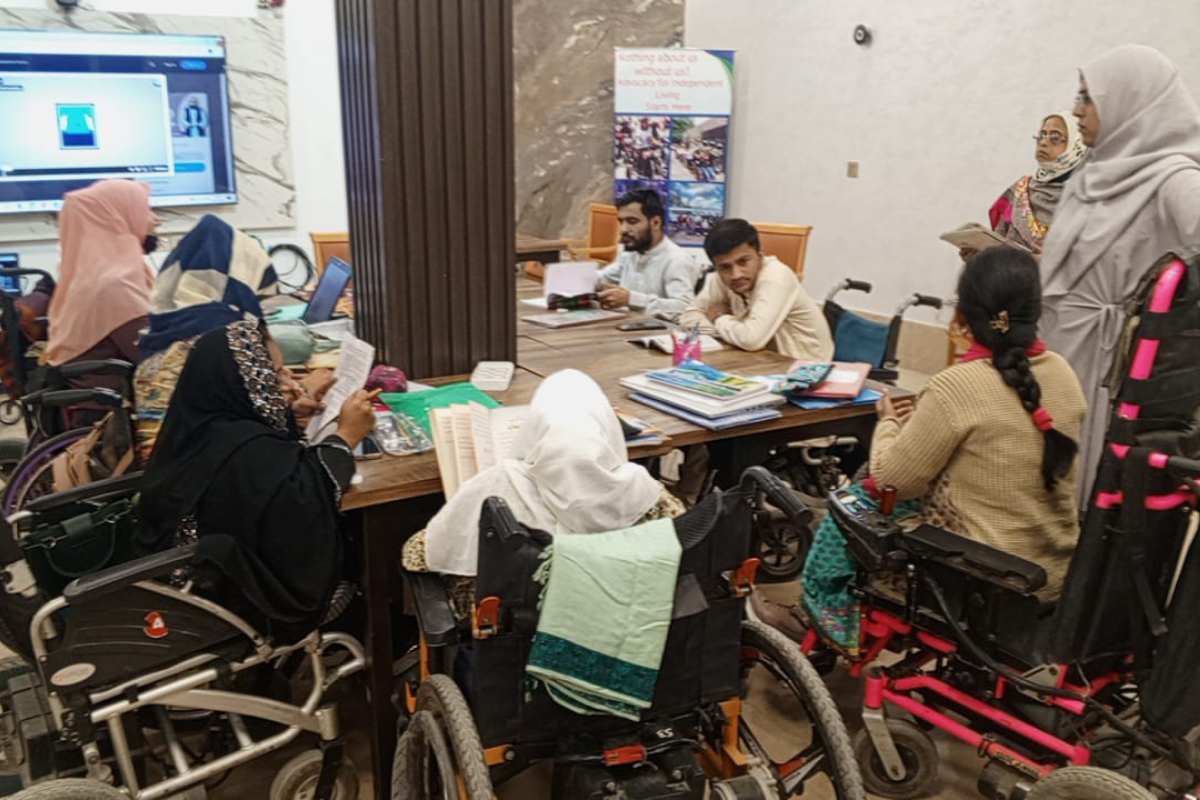
Community Inclusion Disability is more than a policy goal; it represents the active participation of persons with disabilities (PWDs) in social, economic, and civic life. When inclusion is combined with economic opportunity, particularly through disability entrepreneurship, it creates sustainable pathways toward independence and dignity. Entrepreneurship empowers PWDs not only to earn income but also to become job creators, innovators, and visible contributors within their communities.
In today’s evolving economy, promoting business ownership among persons with disabilities is a transformative strategy for long-term empowerment and social integration.
Understanding Community Inclusion
At its core, community inclusion disability means ensuring that persons with disabilities can fully engage in education, employment, recreation, and decision-making processes. Inclusion shifts the focus from limitations to capabilities. It promotes:
- Equal access to public spaces and services
- Participation in local economic activities
- Representation in community leadership
- Opportunities for skill development
- Freedom to pursue independent livelihoods
True inclusion occurs when individuals are recognized for their skills and contributions rather than defined by their disability. Entrepreneurship plays a key role in making this vision a reality.
The Rise of Disability Entrepreneurship
Disability entrepreneurship refers to business initiatives led by persons with disabilities. Rather than relying solely on traditional employment pathways, many PWDs are launching startups, freelance ventures, and home-based enterprises that align with their strengths and circumstances.
Entrepreneurship offers flexibility in work hours, environment, and pace factors that are particularly beneficial for individuals managing physical, sensory, or mobility challenges. It allows entrepreneurs to design businesses around accessibility and adaptability.
Through Disability Entrepreneurship, PWDs can:
- Create customized work environments
- Build businesses aligned with personal interests
- Leverage digital platforms for remote operations
- Develop innovative solutions addressing disability-related needs
This model directly strengthens community inclusion disability by positioning PWDs as economic contributors and leaders.
Entrepreneurship Opportunities for Persons with Disabilities
There is a growing range of entrepreneurial opportunities accessible to PWDs across various sectors.
1. Digital and Online Businesses
- E-commerce stores
- Freelance graphic design or content writing
- Social media management services
- Web development and IT consulting
Digital ventures require minimal physical infrastructure and allow remote operations, supporting both independence and inclusion.
2. Home-Based Enterprises
- Tailoring and handicrafts
- Food production and catering
- Art and creative product sales
- Custom-made goods
Home-based models reduce mobility barriers and increase participation in local markets.
3. Service-Oriented Startups
- Tutoring and educational support
- Consultancy services
- Repair and technical assistance
- Community-based support services
Such ventures enhance local economic activity while reinforcing community inclusion of disability through visible participation.
Skill Development for Entrepreneurial Success
Entrepreneurship requires more than an idea; it requires preparation. Effective Disability Entrepreneurship programs focus on structured skill development.
Technical Skills
- Digital literacy and online marketing
- Financial management and bookkeeping
- Product development and quality control
- Business planning and strategy
Soft Skills
- Communication and negotiation
- Leadership and decision-making
- Problem-solving and adaptability
- Customer relationship management
Training programs, mentorship initiatives, and incubation centers are essential for equipping PWDs with these competencies. Skill-building initiatives significantly strengthen Community Inclusion Disability by enabling confident business participation.
Startup Support and Institutional Backing
Launching a business can be challenging without financial and structural support. Inclusive startup ecosystems help bridge this gap.
Key forms of support include:
- Microfinance loans and seed funding
- Business grants and CSR-backed funding programs
- Mentorship from experienced entrepreneurs
- Legal registration assistance
- Access to co-working or accessible business spaces
Partnerships between NGOs, government agencies, and private sector companies play a critical role in promoting disability entrepreneurship. When institutional frameworks are inclusive, entrepreneurs with disabilities can compete on equal footing.
Financial Independence and Economic Impact
Financial independence is one of the most significant outcomes of entrepreneurship. Through disability entrepreneurship, individuals can achieve:
- Stable income generation
- Reduced reliance on family support
- Greater control over financial decisions
- Ability to invest in personal growth
- Improved living standards
Economic participation strengthens community inclusion disability by shifting perceptions. When persons with disabilities become business owners and employers, societal attitudes evolve from sympathy to respect.
Entrepreneurship also contributes to broader economic development. Small businesses stimulate local markets, create jobs, and promote innovation.
Social Empowerment Through Entrepreneurship
Beyond financial gains, entrepreneurship fosters social empowerment.
Entrepreneurs with disabilities often experience:
- Increased confidence and self-esteem
- Stronger professional networks
- Greater visibility within the community
- Enhanced leadership skills
- Opportunities to mentor others
These outcomes deepen Community Inclusion Disability, as business ownership reinforces the idea that disability does not limit ambition or capability.
Breaking Barriers and Changing Perceptions
One of the most powerful impacts of disability entrepreneurship is its ability to challenge stereotypes. When communities witness successful entrepreneurs with disabilities, misconceptions gradually diminish.
Inclusive entrepreneurship:
- Demonstrates competence and innovation
- Encourages youth with disabilities to pursue aspirations
- Promotes representation in economic leadership
- Inspires inclusive hiring and collaboration
As representation increases, community inclusion disability becomes normalized rather than exceptional.
Policy and Ecosystem Development
Sustained progress requires supportive policies and inclusive economic ecosystems.
Governments and institutions can strengthen disability entrepreneurship by:
- Offering tax incentives for inclusive businesses
- Providing accessible business registration systems
- Expanding inclusive digital infrastructure
- Integrating entrepreneurship into disability empowerment programs
- Promoting inclusive procurement policies
Policy alignment ensures that entrepreneurial opportunities remain accessible and scalable.
Long-Term Community Inclusion Outcomes
When entrepreneurship and inclusion intersect, the long-term benefits extend beyond individual success.
For Individuals
- Sustainable livelihoods
- Personal autonomy
- Expanded career growth
For Communities
- Economic diversity
- Increased awareness of disability inclusion
- Stronger social cohesion
For Society
- Reduced poverty rates among PWDs
- Inclusive economic development
- Cultural shift toward equality
Through sustained investment in disability entrepreneurship, societies strengthen community inclusion disability and create equitable economic systems.
Conclusion
Promoting Community Inclusion Disability requires more than accessible infrastructure, it requires economic participation and leadership. Disability entrepreneurship offers a powerful pathway toward independence, dignity, and long-term empowerment.
By investing in skills training, startup support, financial inclusion, and inclusive policies, communities can unlock the entrepreneurial potential of persons with disabilities. When PWDs become innovators and business leaders, inclusion moves beyond theory into lived reality, transforming not only individual lives but entire communities.