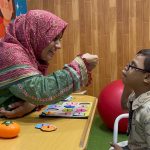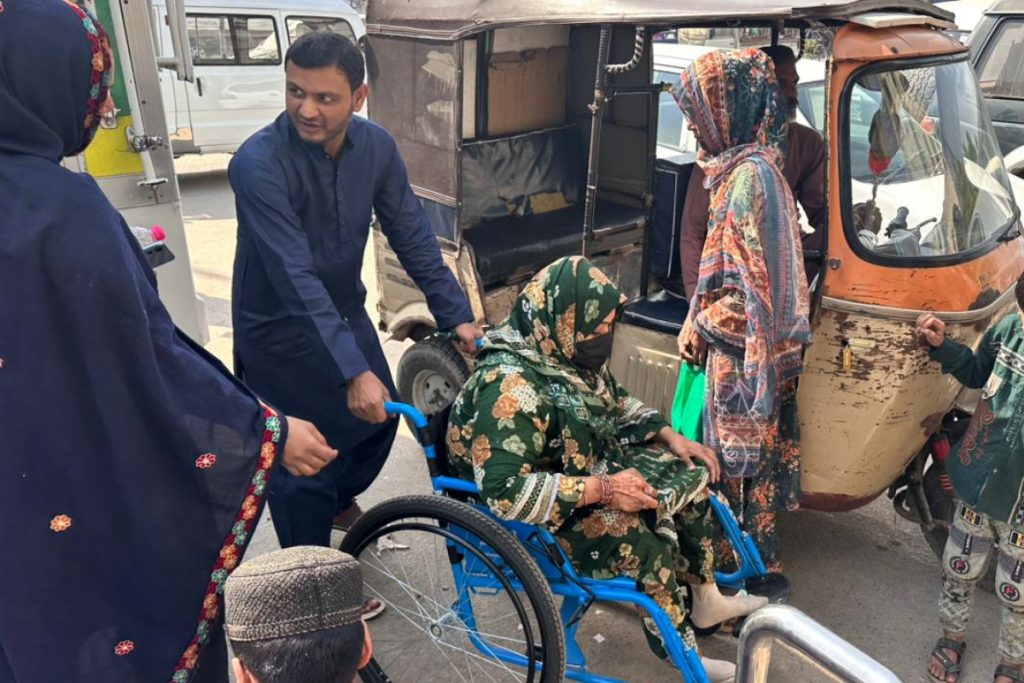
Refugees with disabilities face unique and complex challenges that require specialized support. Disability Support Services provided by humanitarian organizations address the immediate and long-term needs of this vulnerable population. Through structured programs, training, and rehabilitation, these services ensure that refugee persons with disabilities receive the care, protection, and opportunities necessary to live with dignity and independence. By combining emergency assistance with sustainable support, these initiatives promote inclusion, resilience, and social participation.
Refugee disability support is not only a humanitarian imperative, but also an investment in human potential and social equity.
Challenges Faced by Refugee Persons with Disabilities
Refugee persons with disabilities encounter multiple barriers that can hinder their access to healthcare, education, and employment. Displacement, poverty, and limited resources compound these difficulties, making them one of the most marginalized groups in any community.
Key challenges include:
- Limited accessibility in shelters, schools, and public spaces
- Scarcity of specialized healthcare and rehabilitation services
- Social exclusion and stigma within refugee and host communities
- Dependence on family or caregivers due to lack of adaptive resources
- Difficulty accessing information, support programs, and employment
By understanding these challenges, refugee disability support programs can create targeted interventions that address both immediate needs and long-term empowerment.
Emergency and Long-Term Assistance
Immediate support is critical for refugees with disabilities who face displacement-related trauma. Disability Support Services often provides:
- Emergency shelter and safe living arrangements
- Provision of food, clothing, and hygiene necessities
- Distribution of assistive devices such as wheelchairs, crutches, or hearing aids
- Access to psychological support and counseling
- Integration with long-term programs for sustainable development
Humanitarian NGOs ensure that emergency interventions are complemented by structured support for ongoing rehabilitation and social integration.
Healthcare and Rehabilitation Access
Health and rehabilitation services are essential components of refugee disability support. Effective programs provide:
- Medical assessments and treatment for chronic or acute conditions
- Physiotherapy, occupational therapy, and mobility training
- Counseling for mental health challenges related to displacement
- Access to medications, prosthetics, and other assistive devices
- Health education for refugees and caregivers
By improving access to healthcare and rehabilitation, refugee PWDs can regain functionality, mobility, and independence, enhancing overall well-being.
Education and Social Inclusion
Disability Support Services go beyond physical care to promote social participation and inclusion. Key strategies include:
- Educational programs tailored for children and adults with disabilities
- Vocational training for livelihood opportunities and self-reliance
- Community engagement initiatives to reduce stigma and promote awareness
- Peer support groups to foster emotional resilience and social networks
- Platforms for refugees with disabilities to advocate for their rights
Through these programs, refugee PWDs develop skills, confidence, and social connections that empower them to actively participate in their communities.
Long-Term Impact of Support Services
Comprehensive Refugee Disability Support programs create lasting benefits, including:
- Increased independence and self-confidence among participants
- Enhanced access to education, healthcare, and vocational opportunities
- Improved family and community integration
- Greater societal awareness and inclusion of persons with disabilities
- Sustainable pathways to resilience and socio-economic empowerment
A focus on both immediate assistance and long-term development ensures that refugee PWDs are supported holistically, enabling them to live with dignity and purpose.
Enroll and Access Services
Refugee persons with disabilities and their caregivers can access a wide range of disability support services through humanitarian organizations. Programs are designed to provide healthcare, rehabilitation, social integration, and skill development.
Take action today: contact the NGO to enroll in services, receive guidance, and participate in initiatives that promote empowerment and inclusion for refugees with disabilities.