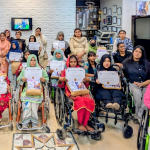


Persons with disabilities often face multiple barriers that limit their access to healthcare, education, mobility, and social opportunities. A No 1 NGO in Pakistan addresses these challenges through comprehensive PWD welfare programs designed to empower individuals, strengthen communities, and promote inclusive development. These initiatives combine direct support, advocacy, and structured interventions, ensuring that persons with disabilities receive holistic assistance tailored to their needs.
PWD Welfare is not simply about providing resources; it is about fostering dignity, independence, and equitable participation in society.
Understanding PWD Welfare
PWD Welfare encompasses a wide range of services aimed at improving the quality of life for persons with disabilities. Welfare programs focus on bridging gaps that prevent full participation in daily, social, and economic activities.
Key components include:
- Ensuring access to healthcare and medical interventions
- Facilitating educational opportunities and skill development
- Providing mobility aids and assistive technologies
- Advocating for rights and social inclusion
- Building support networks for families and caregivers
A No 1 NGO in Pakistan implements these services with a focus on sustainability, impact, and empowerment, ensuring participants are not merely recipients but active participants in their growth.
Healthcare Support
Health is the foundation of independence. Effective PWD welfare programs provide:
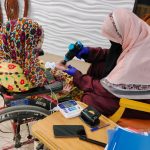
- Medical assessments and routine check-ups
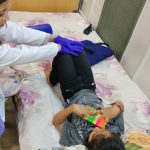
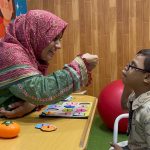
- Rehabilitation services, including physiotherapy and occupational therapy
- Access to specialized treatments for chronic conditions and disabilities
- Provision of assistive devices like wheelchairs, prosthetics, and hearing aids
- Health education and preventive care awareness
By addressing both immediate and long-term health needs, the NGO ensures that participants can pursue education, work, and daily activities with greater confidence and autonomy.
Educational and Skill Development
Education and skills are central to independence and economic empowerment. The NGO’s PWD Welfare programs include:
- Enrollment support in schools, colleges, and vocational institutions
- Tailored learning resources and adaptive technologies
- Scholarship programs to reduce financial barriers
- Workshops and training sessions to develop professional and life skills
- Mentorship and career guidance for sustainable employment
These initiatives empower persons with disabilities to achieve their educational goals and expand their professional opportunities, fostering long-term self-reliance.
Mobility and Assistive Support
Limited mobility can significantly restrict independence. The PWD welfare initiatives by the No 1 NGO in Pakistan include:
- Distribution of mobility aids, including wheelchairs, crutches, and walkers
- Guidance on using assistive technologies for daily life and work
- Home and school adaptations for accessibility
- Transportation support for education, employment, and healthcare
By enhancing mobility, participants can engage more fully with their environments, access services independently, and participate actively in their communities.
Transparency and Accountability
A critical aspect of effective PWD welfare programs is maintaining transparency and accountability. The NGO ensures that:
- Resources are distributed fairly and equitably
- Program outcomes are regularly monitored and reported
- Feedback from participants and families informs service improvements
- Financial management and donor reporting meet ethical and legal standards
These practices ensure that PWD Welfare initiatives are trustworthy, effective, and sustainable, reinforcing confidence among participants and stakeholders.
Promoting Social Development
Beyond individual support, PWD Welfare programs contribute to broader social development:
- Facilitating community awareness campaigns about disability rights and inclusion
- Encouraging participation of persons with disabilities in local events and decision-making
- Strengthening family support networks and caregiver training
- Building advocacy groups to influence policy and societal attitudes
- Reducing stigma and promoting equality through public engagement
By combining personal empowerment with social initiatives, the NGO creates an environment where disability is respected, valued, and supported.
Long-Term Impact
The long-term benefits of structured PWD welfare programs include:
- Enhanced independence and self-confidence for participants
- Increased access to education, healthcare, and employment
- Improved family dynamics due to reduced caregiving pressures
- Greater community awareness and acceptance of persons with disabilities
- Sustainable participation in social, economic, and civic activities
A No 1 NGO in Pakistan ensures that PWD welfare programs leave a lasting imprint on individuals and communities alike.
Enroll and Access Support
Persons with disabilities and their families seeking assistance can benefit from the NGO’s comprehensive programs. The PWD welfare initiatives are designed to provide holistic support, including healthcare, education, mobility, and social development.
Take action today: contact the NGO to enroll in programs, access services, and contribute to creating an inclusive society where every individual has the opportunity to thrive.