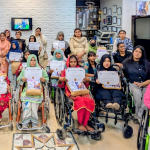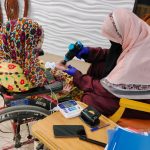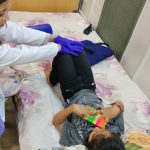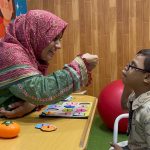


In Pakistan, conversations around inclusion are slowly gaining ground, yet many individuals still face barriers that limit their participation in everyday life. At the center of this discussion lies a crucial concept disability rights. These rights ensure that every individual, regardless of ability, is treated with dignity, fairness, and equal opportunity.
At the same time, there is growing awareness that empowerment is not only about laws and access; it is also about emotional well-being and self-expression. This is where art therapy PWD plays an important role. It offers individuals a way to communicate, process emotions, and reconnect with their sense of self through creative expression.
Organizations like Pakistan Independent Living Centre (PILC) combine advocacy with therapeutic programs, helping individuals not only understand their rights but also build confidence and emotional strength.
What are Disability Rights (Pakistan context)?
Disability rights refer to the basic freedoms and protections that allow people with disabilities to live independently and participate fully in society. In Pakistan, these rights are increasingly recognized through policies, awareness campaigns, and NGO efforts, although practical implementation still requires consistent attention.
These rights include:
- Access to Education: Equal opportunities in schools, colleges, and training institutions
- Employment Opportunities: Fair hiring practices and accessible workplaces
- Mobility and Accessibility: Public spaces, transport, and infrastructure that accommodate different needs
- Healthcare Services: Access to appropriate medical and rehabilitation support
- Social Inclusion: Freedom from discrimination and equal participation in community life
The idea behind disability rights is simple yet powerful: barriers should be removed so individuals can live life on their own terms. Rather than focusing on limitations, this approach emphasizes equal access and opportunity.
In Pakistan, NGOs play a major role in spreading awareness about these rights and helping individuals understand how to claim them in practical ways.
Challenges Faced by Persons with Disabilities
Despite progress, many individuals continue to face challenges that affect their daily lives and long-term opportunities. Understanding these challenges is essential to strengthening disability rights and creating meaningful solutions.
1. Social Barriers
Negative perceptions and lack of awareness often lead to exclusion. Individuals may feel isolated or underestimated in social and professional settings.
2. Limited Access to Education
Many institutions still lack the resources or infrastructure needed to support inclusive learning, making it difficult for students with disabilities to continue their education.
3. Employment Gaps
Access to disability rights includes fair employment opportunities, yet many individuals struggle to find jobs that match their abilities due to workplace barriers or lack of awareness among employers.
4. Emotional and Psychological Impact
Facing constant barriers can affect confidence, self-worth, and emotional well-being. Without proper support, individuals may hesitate to engage socially or professionally.
5. Inaccessible Environments
Physical infrastructure such as buildings, transportation, and public spaces often does not accommodate diverse needs, limiting mobility and independence.
These challenges highlight the need for both structural changes and supportive programs that address emotional well-being alongside practical needs.
Introduction to Art Therapy
While policies and services address external barriers, emotional well-being requires a different approach. Art therapy for PWD provides a creative and supportive way for individuals to express themselves and process their experiences.
Art therapy involves activities such as:
- Drawing and painting
- Clay work and crafts
- Music and movement
- Storytelling and visual expression
The purpose is not artistic perfection; it is about expression, reflection, and healing. For many individuals, especially those who find verbal communication difficult, art becomes a powerful way to share thoughts and emotions.
Through art therapy, PWD individuals explore their inner world in a safe and supportive environment. This helps them better understand their feelings and develop a stronger sense of identity.
Benefits of Art Therapy
The impact of art therapy on PWD extends beyond creative expression. It supports emotional, mental, and even physical well-being in meaningful ways.
1. Emotional Release
Art provides a space to express emotions that may be difficult to put into words. This helps reduce stress and emotional pressure.
2. Improved Mental Health
Regular participation in art-based activities can help manage anxiety, improve mood, and promote a sense of calm.
3. Confidence Building
Completing creative work gives individuals a sense of achievement. It reinforces self-worth and encourages further participation.
4. Enhanced Communication
For individuals who struggle with verbal communication, art becomes an alternative form of expression, allowing them to share ideas and feelings.
5. Focus and Cognitive Development
Art activities improve concentration, planning, and problem-solving skills, which are useful in everyday life.
6. Social Interaction
Group sessions create opportunities for connection, collaboration, and shared experiences, reducing feelings of isolation.
When combined with awareness of disability rights, art therapy becomes even more impactful; it supports both inner growth and external participation.
NGO Programs Offering Art Therapy
In Pakistan, several NGOs are incorporating art therapy PWD into their programs as part of a broader approach to empowerment. These initiatives are designed to support both emotional well-being and social inclusion.
Pakistan Independent Living Centre (PILC) offers programs that integrate creative expression with community support and personal development. These sessions are structured yet flexible, allowing individuals to explore creativity at their own pace.
Key features of NGO-led art therapy programs include:
- Guided Sessions: Facilitated by trained professionals who create a supportive environment
- Group Activities: Encouraging interaction and shared learning
- Exhibitions and Showcases: Providing opportunities to present creative work to the community
- Integration with Other Programs: Combining art therapy with skill development and peer support
These programs are not limited to therapy; they also open doors to new interests, talents, and even potential career paths in creative fields.
By combining disability rights awareness with therapeutic activities, NGOs create a balanced approach that supports both external opportunities and internal well-being.
A Path Toward Expression and Independence
For many individuals, understanding their rights is only the first step. The next step is building the confidence and emotional strength needed to use those rights effectively.
This is where art therapy PWD becomes especially valuable. It helps individuals:
- Reconnect with their sense of identity
- Build confidence through creative expression
- Develop communication skills
- Engage more actively in social and professional environments
When individuals feel emotionally supported, they are more likely to pursue education, employment, and community participation. This creates a positive cycle where both personal growth and social inclusion reinforce each other.
Join Therapy Sessions
If you or someone you know could benefit from creative expression and emotional support, joining an art therapy program can be a meaningful step forward.
The Pakistan Independent Living Centre (PILC) offers structured art therapy PWD sessions designed to support confidence, creativity, and well-being.
Take the opportunity to explore expression in a safe and welcoming space where your voice can be seen, felt, and understood beyond words.