

A society is often measured by how well it includes those who are most likely to be left out. For persons with disabilities, inclusion is not just about access; it is about belonging, participation, and the freedom to live life on their own terms. This is the foundation of community inclusion disability, where individuals are not separated or sidelined but actively engaged in everyday social, educational, and professional spaces.
In Pakistan, this vision is gradually taking shape, though many challenges still remain. One of the most practical ways to support inclusion is through assistive devices, which enable individuals to navigate their environment, communicate effectively, and participate with confidence.
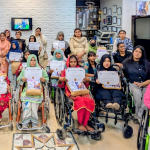
Organizations like Pakistan Independent Living Centre (PILC) are working at the intersection of inclusion and accessibility, ensuring that individuals receive both the tools and the support they need to become active members of their communities.
What is Community Inclusion?
Community inclusion for disability refers to creating environments where people with disabilities are able to participate fully in all aspects of life, education, employment, social activities, and decision-making. It is not limited to physical access; it also includes social acceptance, equal opportunities, and respect.
In an inclusive community:
- Individuals attend schools alongside their peers
- Workplaces welcome diverse abilities
- Public spaces are accessible to all
- Social activities are open and welcoming
- Voices of persons with disabilities are heard and valued
The goal of community inclusion for disability is to remove the barriers that prevent participation, allowing individuals to live independently and contribute meaningfully to society.
Barriers in Pakistan
Despite growing awareness, several barriers still limit inclusion for persons with disabilities in Pakistan. These challenges affect not only mobility but also confidence, opportunity, and overall quality of life.
1. Physical Barriers
Many buildings, public transport systems, and community spaces are not designed with accessibility in mind. Lack of ramps, lifts, and accessible pathways restricts movement.
2. Social Attitudes
Misconceptions and lack of awareness often lead to exclusion. Individuals may be underestimated or not given equal opportunities in education and employment.
3. Limited Access to Resources
Access to assistive devices such as wheelchairs or hearing aids is often limited due to cost, availability, or lack of information.
4. Educational Challenges
Inclusive education is still developing, and many institutions lack the facilities or training required to support students with disabilities.
5. Employment Gaps
Even when individuals are qualified, workplaces may not be prepared to accommodate their needs, limiting job opportunities.
These barriers highlight the importance of combining awareness, infrastructure, and practical tools like assistive devices to support true inclusion.
Role of Assistive Devices
Assistive devices play a central role in enabling independence and participation. They are not simply tools; they are gateways to mobility, communication, and confidence.
Common types of assistive devices include:
1. Mobility Aids
- Wheelchairs
- Walking frames
- Crutches
These devices help individuals move independently, access public spaces, and engage in daily activities.
2. Hearing and Communication Aids
- Hearing aids
- Communication boards
- Speech-support devices
These tools support interaction, learning, and social engagement.
3. Visual Support Tools
- Screen readers
- Magnification devices
- Braille resources
These technologies make information accessible, supporting education and employment.
4. Adaptive Equipment for Daily Living
- Modified furniture
- Specialized utensils
- Supportive seating
Such tools help individuals perform everyday tasks with greater ease and independence.
When integrated into daily life, assistive devices significantly enhance participation in education, work, and community activities, making community inclusion a practical reality rather than just an idea.
NGO Initiatives
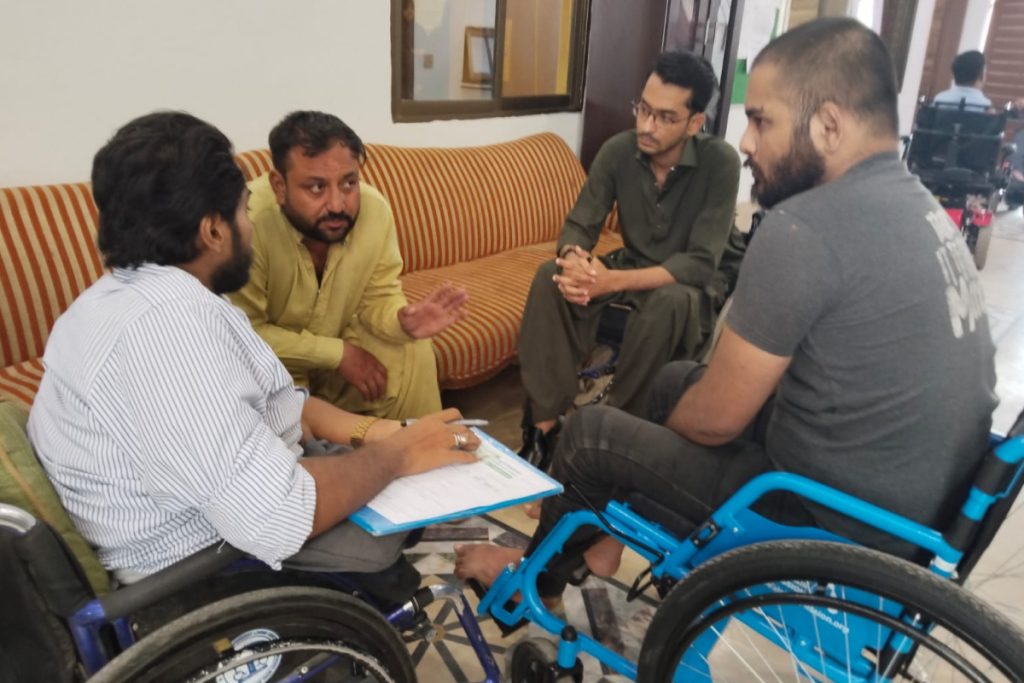
NGOs play a key role in bridging the gap between need and access. Through structured programs, they ensure that individuals not only receive assistive devices but also understand how to use them effectively.
The Pakistan Independent Living Centre (PILC) focuses on a comprehensive approach that combines accessibility with empowerment. Their initiatives include:
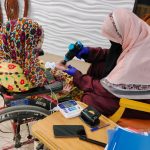
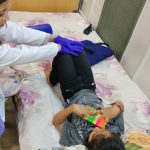
- Assessment and Support: Identifying the most suitable devices based on individual needs
- Training Programs: Teaching users and families how to use devices safely and confidently
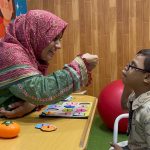
- Community Integration: Encouraging participation through workshops and inclusive activities
- Awareness Campaigns: Promoting understanding of disability and inclusion within society
- Linking Services: Connecting individuals with education, employment, and social programs
These initiatives ensure that community inclusion for disability is not limited to providing tools; it is about building confidence, independence, and long-term participation.
Government + NGO Collaboration
For sustainable impact, collaboration between government bodies and NGOs is essential. While NGOs provide on-ground support and community engagement, government institutions play a role in policy-making, funding, and large-scale implementation.
Effective collaboration can lead to:
- Subsidized Assistive Devices: Making essential tools more affordable and accessible
- Inclusive Infrastructure Development: Designing public spaces that accommodate all abilities
- Policy Implementation: Ensuring disability rights are applied in education, employment, and healthcare
- Training Programs: Expanding skill development initiatives across regions
- Awareness Campaigns: Promoting inclusive attitudes at a national level
When government efforts align with NGO expertise, community inclusion for disability becomes more structured, consistent, and impactful.
Organizations like PILC often act as a bridge bringing real community needs into policy discussions while ensuring that government programs reach the people who need them most.
Moving Toward Inclusive Communities
Creating inclusive communities requires more than policies or devices; it requires a shift in mindset. Inclusion becomes meaningful when individuals are welcomed, respected, and given opportunities to participate fully.
Through the use of assistive devices, individuals can:
- Travel independently
- Attend school or work
- Engage in social activities
- Communicate effectively
- Build confidence and self-reliance
At the same time, communities benefit by becoming more diverse, understanding, and connected.
The journey toward community inclusion for disability is ongoing, but with the combined efforts of NGOs, government institutions, and society, progress is not only possible, it is already happening.
Get Assistive Support
If you or someone you know could benefit from assistive devices, taking the first step can open new possibilities for independence and participation.
Pakistan Independent Living Centre (PILC) provides guidance, support, and access to resources that help individuals become active members of their communities.
Reach out today to explore the support available and move toward a life where inclusion is not a challenge but a reality.