Access to meaningful employment remains one of the most significant challenges for people with disabilities in Pakistan. While policies and awareness are gradually improving, there is still a gap between potential and opportunity. Disability NGOs play a crucial role in bridging this gap, offering training, guidance, and pathways to professional engagement.
By combining advocacy, skill development, and job placement, these organizations ensure that jobs for disabled persons in Pakistan are not just aspirational but achievable. They demonstrate that people with disabilities can contribute meaningfully to the workforce when given proper support and opportunity.
Role of Disability NGOs
Disability NGOs are more than service providers; they are catalysts for independence, inclusion, and empowerment. Their work spans personal support, community programs, skill development, and employment facilitation.
Key roles include:
- Advocacy: Promoting awareness of disability rights and inclusion in society.
- Education support: Facilitating access to inclusive education and resources.
- Skill development: Offering vocational and technical training aligned with market needs.
- Employment facilitation: Connecting trained individuals to professional opportunities.
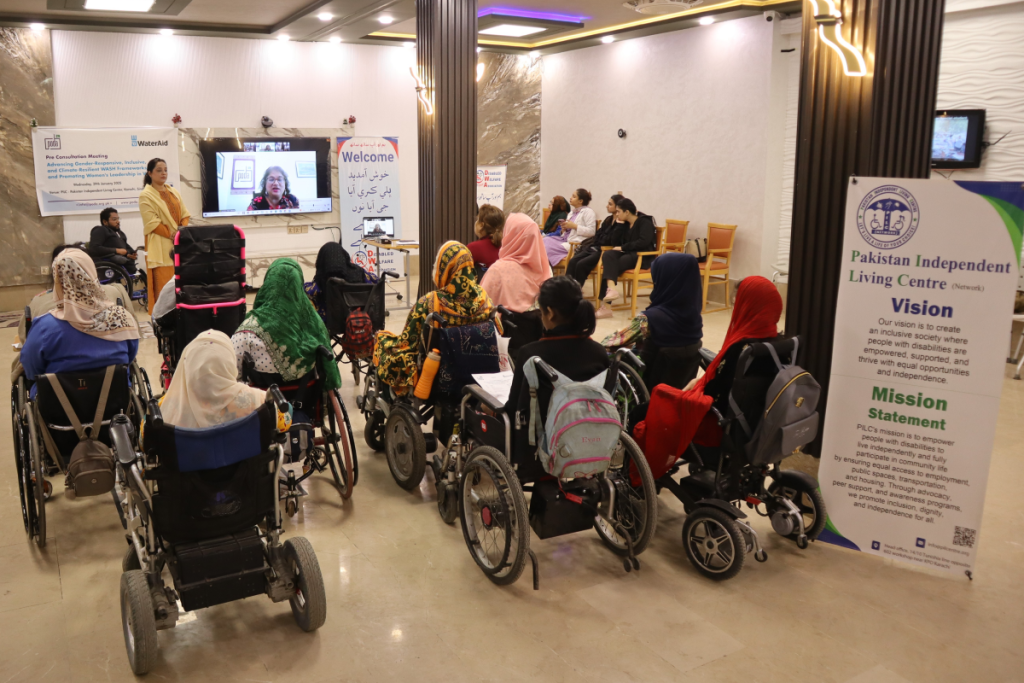
Leading organizations, such as the Pakistan Independent Living Centre (PILC) and the Disabled Welfare Association (DWA), set benchmarks in this sector. They focus on practical empowerment, equipping individuals with the skills, confidence, and networks needed to participate fully in social, academic, and professional life.
By addressing both systemic barriers and personal development, disability NGOs ensure that individuals are supported comprehensively, creating pathways toward autonomy and meaningful employment.
Jobs for Disabled Persons in Pakistan
Employment is a cornerstone of independence. Access to jobs for disabled persons in Pakistan provides financial stability, social engagement, and a sense of purpose.
Despite existing challenges such as limited accessible workplaces, societal misconceptions, and inadequate awareness, top NGOs facilitate connections to inclusive roles. Employment opportunities often span:
- IT and digital services
- Administrative and clerical roles
- Creative industries such as arts and design
- Remote work and freelancing opportunities
Programs designed by NGOs also focus on bridging gaps between ability and opportunity. By assessing individual skills, providing training, and facilitating employer engagement, they ensure that PWD are prepared for professional challenges.
Inclusive employment models also help reshape societal attitudes. When companies hire people with disabilities, it challenges stereotypes, demonstrates capability, and encourages broader inclusion.
Skills Training for PWD
A major focus of disability NGOs is skills training for PWD. Training programs are tailored to the abilities, interests, and goals of participants, preparing them for sustainable employment.
Common training initiatives include:
- Digital literacy and IT skills
- Communication and interpersonal skills
- Vocational skills for industry-specific roles
- Creative and technical arts programs
The training is often supplemented by mentorship, practical workshops, and simulated work environments. This ensures that participants not only gain theoretical knowledge but also the confidence and hands-on experience required in the workplace.
NGOs such as PILC and DWA often collaborate with employers to design training that aligns with market needs. This alignment enhances the chances of successful job placement and long-term retention.
By equipping individuals with relevant skills, NGOs help transform potential into opportunity, ensuring that PWD can access a range of professional roles with confidence.
Inclusive Workplace Opportunities
Creating inclusive workplace opportunities is critical to sustaining employment for people with disabilities. NGOs work with companies to develop accessible environments, inclusive policies, and adaptive practices.
Key strategies include:
- Workplace modifications to accommodate mobility or sensory needs
- Flexible work arrangements, including remote work
- Awareness programs for colleagues and managers
- Continuous support and mentorship for employees
Through these measures, organizations ensure that people with disabilities are able to perform effectively and confidently. Inclusive workplaces not only benefit employees but also enhance organizational culture, diversity, and innovation.
Programs offered by PILC and DWA also focus on matching individual abilities to appropriate roles, ensuring that employment is not only accessible but also meaningful and productive.
Benefits of Disability Employment
The benefits of employment for PWD extend across individual, family, organizational, and societal levels.
For individuals:
- Financial independence and security
- Enhanced self-confidence and autonomy
- Opportunities for skill development and career progression
- Greater social integration and community participation
For families:
- Reduced dependence and caregiver stress
- Increased opportunities for long-term planning
- Pride in seeing loved ones contribute meaningfully to society
For organizations:
- Diverse perspectives and problem-solving approaches
- Increased employee engagement and loyalty
- Positive reputation as socially responsible employers
For society:
- Improved awareness and inclusion of people with disabilities
- Economic contributions from previously underrepresented individuals
- Promotion of social equity and fairness
NGOs facilitating jobs for disabled persons in Pakistan create a ripple effect. They empower individuals, strengthen families, enrich workplaces, and contribute to a more inclusive society.
By combining skill development, mentorship, employment facilitation, and advocacy, disability NGOs transform the lives of individuals with disabilities. Leading organizations such as the Pakistan Independent Living Centre (PILC) and the Disabled Welfare Association (DWA) demonstrate that with proper support, employment becomes a vehicle for independence, confidence, and meaningful participation.
The holistic approach ensures that people with disabilities are not only prepared for work but are also supported throughout their professional journey. In doing so, disability NGOs create pathways toward sustainable livelihoods, personal growth, and a more inclusive society for all.