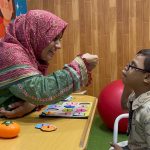
Persons with disabilities often face social, emotional, and psychological challenges that can make daily life isolating or overwhelming. Peer support provides a lifeline, allowing individuals to share experiences, gain guidance, and build confidence within a supportive environment. A disability NGO plays a crucial role in establishing structured peer support disability programs that facilitate mentoring, group interactions, and community participation. By connecting participants with peers who understand their experiences, these programs create a space for empowerment, personal growth, and meaningful social engagement.
Peer support is not merely about conversation; it is about fostering resilience, independence, and a shared sense of belonging that extends into broader community life.
Understanding Peer Support
Peer Support Disability programs are designed to enable persons with disabilities to support each other through shared experiences and practical guidance. Unlike professional counseling, peer support emphasizes mutual understanding, lived experience, and empathy. Participants learn from one another, exchange coping strategies, and build skills to navigate challenges in daily life.
A disability NGO implementing these programs ensures that interactions are structured, safe, and guided, with the goal of promoting both personal and collective growth.
Key features of peer support include:
- Sharing experiences of overcoming obstacles in education, work, or personal life
- Providing emotional reassurance and encouragement during difficult situations
- Developing practical strategies for independent living and problem-solving
- Creating opportunities for self-advocacy and informed decision-making
- Building long-term social networks that extend beyond the program
These elements allow participants to learn actively from one another while gaining confidence in their abilities to face life’s challenges independently.
Emotional and Psychological Benefits
The emotional and psychological impact of peer support disability programs is profound. Many persons with disabilities experience feelings of isolation, low self-esteem, and anxiety due to societal barriers and misconceptions about disability. Peer support provides a safe space to address these issues while promoting personal growth.
Benefits include:
- Reduced loneliness and social isolation by connecting with like-minded individuals
- Increased self-confidence and a sense of self-worth
- Development of resilience and coping skills for daily challenges
- Opportunities to share experiences that validate feelings and struggles
- Strengthened emotional well-being through supportive peer interactions
A disability NGO ensures that programs are inclusive, culturally sensitive, and designed to address diverse psychological and social needs, helping participants manage challenges more effectively.
Mentorship and Group Activities
Mentorship and structured group activities form the foundation of effective peer support initiatives. A disability NGO often pairs participants with trained peer mentors who provide guidance, encouragement, and skill-building opportunities. Group sessions allow participants to collaborate, share knowledge, and participate in exercises that promote both professional and personal development.
Key approaches include:
- Small group discussions: Participants share challenges, successes, and coping strategies, learning collectively from each other’s experiences.
- One-on-one mentorship: Experienced peers guide newer participants, offering personalized advice and support.
- Collaborative workshops: Practical exercises focused on problem-solving, communication, or adaptive skills.
- Skill-sharing sessions: Participants teach each other specific abilities, such as using assistive technologies or managing daily tasks.
- Social events and networking: Informal gatherings encourage interpersonal relationships, trust-building, and long-term support.
These activities make Peer Support Disability programs dynamic, engaging, and highly effective in nurturing independence and empowerment.
Building Community Belonging
A critical goal of Peer Support Disability initiatives is fostering a sense of community and belonging. Persons with disabilities often experience social exclusion, which can limit opportunities for personal development and participation in society. Peer support programs encourage inclusion and social engagement through:
- Connecting participants with broader community networks
- Encouraging shared projects that contribute to local social initiatives
- Promoting awareness and advocacy for disability inclusion in schools, workplaces, and public spaces
- Facilitating participation in recreational, educational, and cultural activities
- Providing platforms for individuals to share their voices and experiences publicly
By creating a supportive environment, a disability NGO enables participants to develop social capital, strengthen interpersonal relationships, and feel more integrated within their communities.
Long-Term Personal and Social Impact
The long-term benefits of structured peer support disability programs extend beyond immediate emotional relief. Participants often report increased independence, enhanced life skills, and improved social engagement.
Some measurable outcomes include:
- Greater self-confidence to pursue education, employment, or personal goals
- Strengthened coping mechanisms for emotional and psychological challenges
- Development of leadership and advocacy skills for broader societal impact
- Expanded networks and mentorship opportunities that last beyond program participation
- Contribution to creating a more inclusive and understanding society
Such outcomes highlight the critical role that peer support plays in holistic development, combining emotional resilience with practical life skills and social empowerment.
Integrating Technology and Peer Support
Modern disability NGOs also leverage technology to enhance peer support disability programs. Online platforms and digital communication tools enable:
- Virtual peer meetings and group workshops
- Social networking for sharing experiences and resources
- Access to online training modules, webinars, and educational content
- Continuous support and follow-up regardless of location
This approach ensures that peer support is scalable, accessible, and inclusive, particularly for participants in remote or underserved areas.
Encouraging Participation
Participation in peer support programs requires encouragement and outreach. Disability NGOs actively inform communities about opportunities, emphasizing the benefits of peer support disability for personal and professional growth. Individuals are invited to:
- Join group sessions and mentorship programs
- Participate in skill-building workshops
- Engage in community and advocacy projects
- Contribute to awareness campaigns that promote inclusion
Active involvement reinforces a sense of belonging, builds trust among participants, and strengthens the overall impact of the programs.
Conclusion
Peer support disability programs facilitated by a disability NGO offer far-reaching benefits. From emotional and psychological resilience to practical skills development and community integration, these initiatives empower participants to lead more independent and fulfilling lives. By connecting individuals through shared experiences, mentorship, and structured group activities, the programs create a foundation for personal growth, social inclusion, and long-term empowerment.
Joining such programs enables persons with disabilities to cultivate confidence, establish supportive networks, and participate actively in their communities, demonstrating that shared experiences are powerful catalysts for transformation and inclusion.