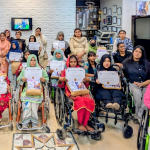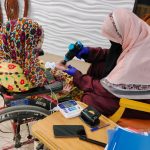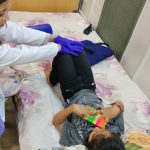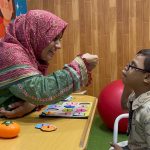


In Pakistan, the landscape of disability support is enriched by organizations that dedicate themselves to creating opportunities, independence, and meaningful lives for persons with disabilities (PWDs). Among these, certain organizations rise above others through consistent impact, transparency, and the breadth of services they provide. When we talk about the No. 1 NGO in Pakistan, it is not merely a title; it reflects credibility, influence, and tangible outcomes for the community.
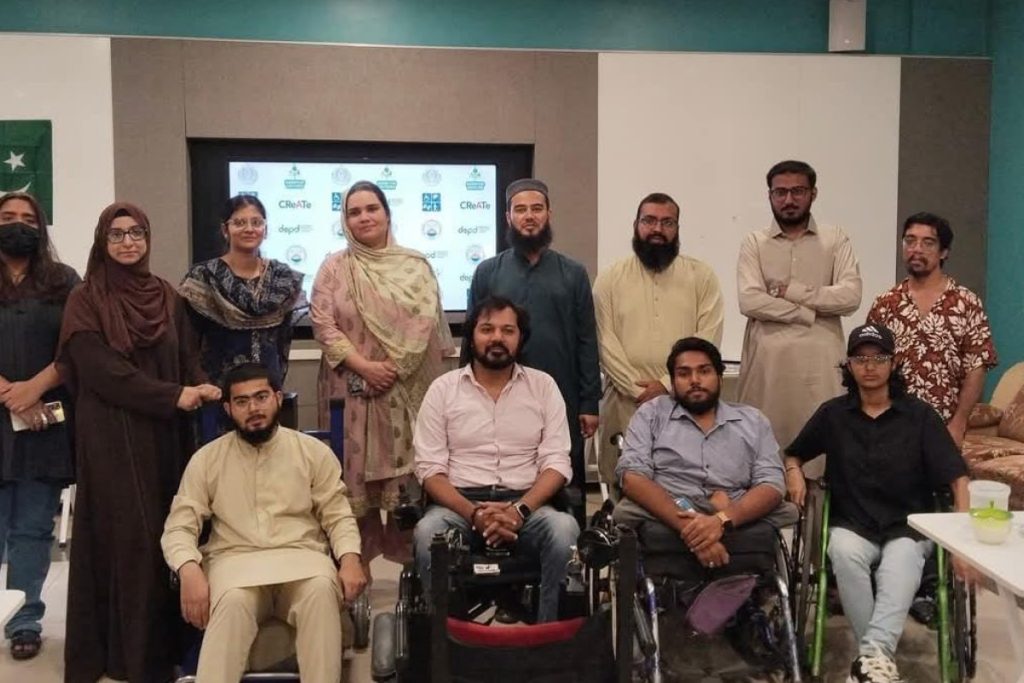
The Pakistan Independent Living Centre (PILC) is widely recognized for its comprehensive approach to PWD welfare, blending practical services, empowerment programs, and community engagement into a model that other organizations often seek to emulate.
What Makes an NGO “No. 1” in Pakistan
Determining the No. 1 NGO in Pakistan requires looking beyond visibility. Several factors set a top NGO apart:
- Impactful Programs: Initiatives that bring measurable change in the lives of PWDs, from skill development to employment.
- Sustainable Solutions: Programs designed for long-term empowerment, rather than temporary relief.
- Community Integration: Supporting individuals in their communities, ensuring they are included socially, educationally, and professionally.
- Transparency and Accountability: Clear communication of activities, budgets, and outcomes, earning the trust of donors, partners, and beneficiaries.
- Innovation: Incorporating technology, assistive devices, and modern strategies to address accessibility challenges effectively.
An organization like PILC demonstrates these qualities by creating structured pathways for independence, offering PWD welfare programs that are both practical and transformative.
Welfare Services Overview
PWD welfare encompasses a broad spectrum of services aimed at improving quality of life and enabling participation in society. Leading NGOs provide:
- Independent Living Training: Teaching daily living skills to help individuals manage personal, social, and professional responsibilities.
- Healthcare Access: Physiotherapy, counseling, and rehabilitation programs tailored to specific disabilities.
- Assistive Devices Provision: Wheelchairs, hearing aids, and communication tools that allow mobility and engagement.
- Educational Support: Inclusive education initiatives and skill development programs to prepare individuals for employment.
- Community Engagement: Activities that foster social participation and reduce isolation.
These services ensure that support is not merely reactive but proactive, helping PWDs lead fulfilling and independent lives.
Impact on PWD Lives
The influence of a top NGO is measured by real-world results. Individuals participating in PILC’s programs have reported:
- Enhanced Mobility and Independence: Through assistive devices and training in daily living skills.
- Employment Opportunities: Access to jobs and outsourcing roles, allowing financial independence.
- Improved Mental Health: Counseling and peer support reducing stress, isolation, and anxiety.
- Increased Social Participation: Inclusion in community activities, decision-making, and advocacy.
By addressing both practical needs and emotional well-being, NGOs like PILC transform lives comprehensively, making independence a reality rather than a distant goal.
Case Studies
Case Study 1: Ayesha’s Journey to Employment
Ayesha, a young woman with mobility challenges, joined a PILC vocational program. With training in IT and digital communication, she secured a remote data entry position. Today, Ayesha not only earns a stable income but also participates in community workshops, mentoring other women with disabilities.
Case Study 2: Peer Support for Ahmed
Ahmed, living with a visual impairment, was initially isolated and hesitant about social participation. Through PILC’s peer support and community engagement programs, he gained confidence, acquired assistive technology skills, and now contributes to outreach initiatives, guiding other PWDs toward independence.
These stories illustrate how PWD welfare services go beyond temporary assistance; they empower individuals to participate fully in society and achieve self-reliance.
Transparency and Trust Factors
A top NGO must uphold trust with both beneficiaries and partners. This is achieved through:
- Clear Reporting: Publishing annual reports, budgets, and project outcomes.
- Accountability Mechanisms: Regular audits and feedback systems to ensure funds and resources are used efficiently.
- Community Participation: Involving PWDs and families in decision-making processes.
- Open Communication: Keeping donors and stakeholders informed about impact, challenges, and future initiatives.
PILC’s consistent transparency has contributed to its recognition as the No. 1 NGO in Pakistan, fostering confidence among donors, beneficiaries, and partner organizations alike.
Supporting PWD Welfare
Becoming part of the mission to enhance PWD welfare can take many forms:
- Volunteer: Offer time and skills to training programs, workshops, or awareness campaigns.
- Donate: Contributions support assistive devices, skill development programs, and community activities.
- Partner: Corporations and institutions can collaborate to create employment or outsourcing opportunities for PWDs.
Each form of support ensures that individuals with disabilities have the tools, training, and opportunities needed to live independently and participate fully in society.
Conclusion
If you want to support meaningful change and contribute to PWD welfare, consider reaching out to:
Pakistan Independent Living Centre (PILC)
Engage, donate, or collaborate today to be part of a movement that is shaping independent, inclusive, and empowered lives for persons with disabilities across Pakistan.