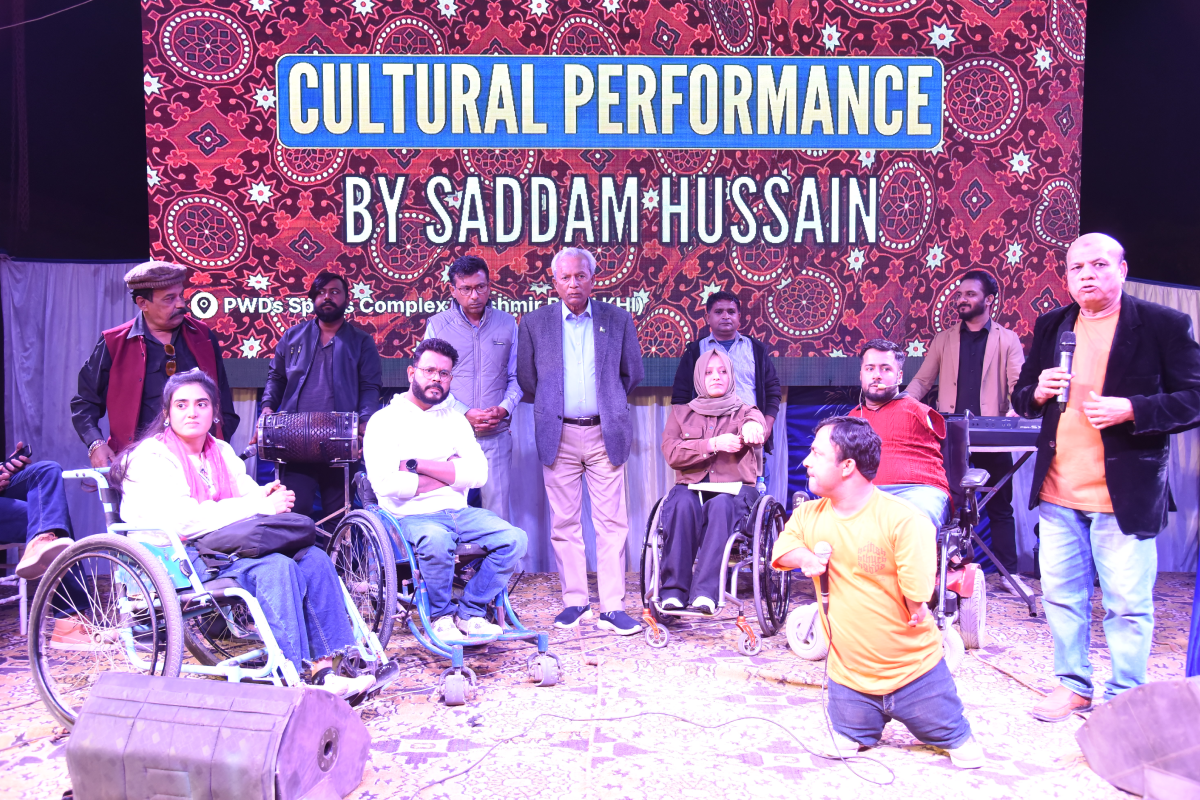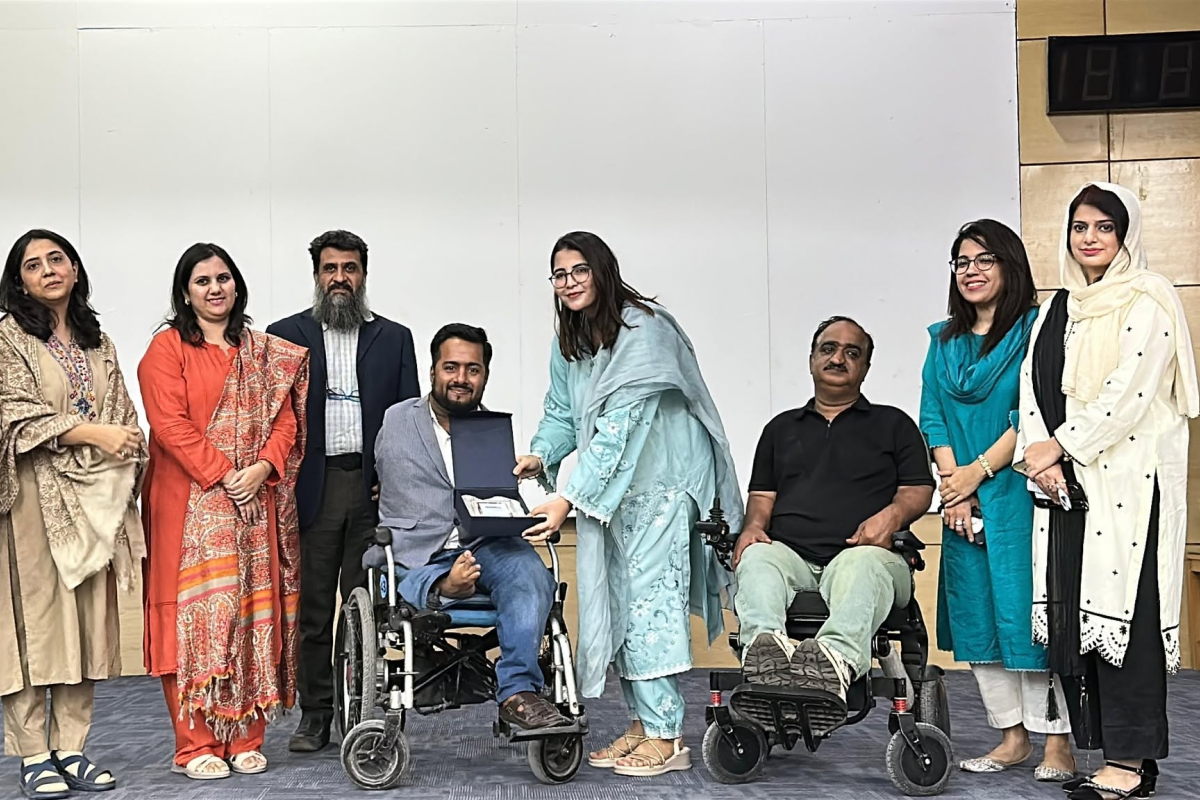
Non-Profit Organization in Pakistan Supporting Communities With Purpose
Introduction
A non-profit organization in Pakistan is essential to tackling the nation’s social, economic, and humanitarian issues. These organizations prioritize public good over profit in everything they do, from assisting disadvantaged communities to expanding access to health, education, and disability services. For those who are frequently disregarded in Pakistan’s diverse and expanding population, a trustworthy NGO in Pakistan can provide stability, support, and hope.
Consistent service, moral behavior, and observable results foster trust in a nonprofit. The significance of non-profit organizations in Pakistan, their recognition, the services they offer, and how people might join this group endeavor are all covered in this blog.
Importance of NGOs in Pakistan
Poverty, unemployment, marginalization of people with disabilities, restricted access to healthcare, and emergency circumstances brought on by natural catastrophes are just a few of the many socioeconomic issues Pakistan faces. NGOs fill the gap left by government systems’ inability to meet every need.
NGOs are crucial in Pakistan for the following reasons:
- Reaching underrepresented and underprivileged populations.
- Helping low-income families and those with disabilities.
- Enhancing chances for learning and skill development.
- Provide assistance with rehabilitation and emergency relief.
- Encouraging respect, consciousness, and civic duty.
Working at the local level, a dedicated social welfare organization comprehends local reality and responds with workable solutions. Rather than providing short-term aid, this intimate relationship with communities helps guarantee long-term benefits.
Why This NGO Is Recognized
A well-regarded non-profit organization in Pakistan earns recognition through transparency, accountability, and people-centered work. Recognition does not come from size or publicity but from the consistency and honesty of its efforts.
Key factors that lead to recognition include:
- Clear mission aligned with community needs.
- Ethical governance and responsible use of resources.
- Open communication with donors, partners, and beneficiaries.
- Skilled staff and volunteers guided by strong values.
- Measurable outcomes that improve everyday lives.
A responsible charity organization Pakistan maintains trust by remaining accessible, listening to feedback, and adapting its programs without compromising its principles.
Services & Programs
In Pakistan, a reputable non-profit organization provides organized programs aimed at enhancing life quality and promoting self-reliance. Usually, these programs are created with thorough community consultation.
In Pakistan, typical non-profit services consist of:
- Support for independent life and disability rehabilitation.
- Programs for inclusive education and support for education.
- Livelihood development and vocational training.
- Counseling, health education, and basic care services.
- Programs for social inclusion and community outreach.
Instead of encouraging dependence, each service seeks to promote dignity and independence. A Trusted NGO in Pakistan evaluates its initiatives on a regular basis to guarantee their applicability, excellence, and equity.
Impact & Community Support
The true value of a nonprofit organization in Pakistan is reflected in its impact on individuals and communities. Impact is not only measured in numbers but also in improved confidence, stability, and participation.
Positive community outcomes often include:
- Increased independence for persons with disabilities.
- Better access to education and employment pathways.
- Reduced isolation through inclusion-focused programs.
- Stronger local networks and shared responsibility.
- Greater awareness of social and human values.
Community support grows when people see genuine effort and respectful engagement. This mutual trust allows a social welfare organization to continue its work with credibility and long-term commitment.
How to Support or Get Involved
To continue operating, nonprofit organizations rely on group involvement. Everyone is able to participate to the extent that they are able.
In Pakistan, there are several ways to help a nonprofit:
- Giving of one’s time, abilities, or experience.
- Donating according to one’s own means.
- Supporting campaigns for education and awareness.
- Collaborating through ethical business practices.
- Disseminating accurate information on NGO initiatives.
A transparent charity organization in Pakistan ensures supporters understand how their contributions are used, strengthening confidence and ongoing involvement.
Conclusion
A non-profit organization in Pakistan stands as a pillar of care, responsibility, and community support. Through ethical practices, meaningful programs, and lasting relationships, these organizations help address gaps that affect everyday lives.
By supporting a trusted NGO in Pakistan that delivers reliable non-profit services to Pakistan, individuals and institutions contribute to a more inclusive, fair, and supportive society. Sustainable change grows when people work together with honesty, respect, and shared purpose.