
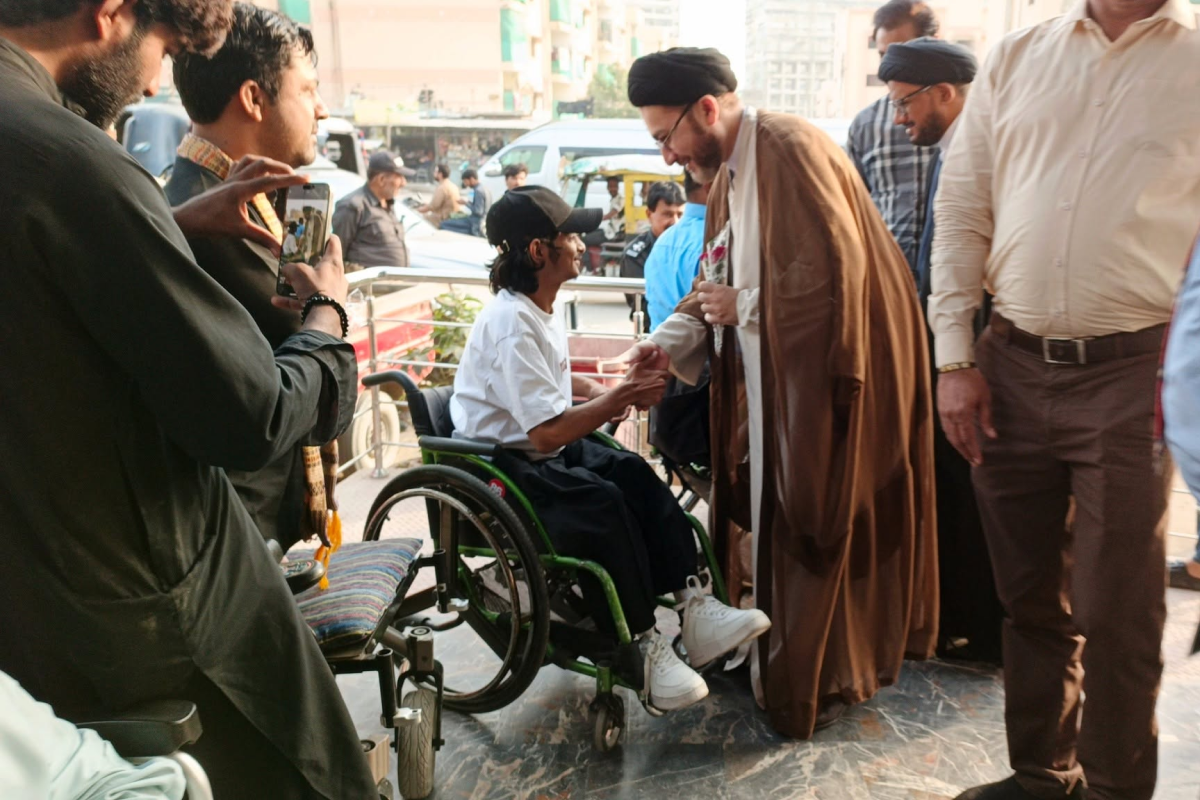
Best NGO in Pakistan Supporting Independent Living Activities for Persons with Disabilities
Introduction
The phrase best NGO in Pakistan carries responsibility, not promotion. In the disability sector, being “best” is not about visibility or funding alone. It reflects ethical practice, long-term impact, and respect for the dignity of persons with disabilities. NGOs working in independent living understand that real change begins with daily life, not slogans.
Across Pakistan, persons with disabilities face barriers that affect confidence, routine, and participation. Independent living activities help bridge this gap by supporting everyday tasks that build self-reliance. When NGOs focus on these activities, they move closer to what truly defines the best NGO in Pakistan one that improves lives in meaningful and measurable ways.
Ethical Meaning of “Best NGO in Pakistan”
In the context of disability inclusion, the best NGO in Pakistan is defined by values rather than claims. Ethical NGOs place people before programs and long-term growth before short-term visibility.
Key ethical principles include:
- Respect for autonomy and personal choice
- Inclusion of persons with disabilities in decision-making
- Transparency in services and resource use
- Equal access regardless of background or income
- Focus on independence rather than dependency
An NGO earns trust by supporting individuals in ways that strengthen their ability to live with confidence and self-direction.
Understanding Independent Living Activities
Independent living activities are everyday actions that allow a person to manage their own life with minimal assistance. These activities form the foundation of independence and are essential for dignity and self-worth.
Common independent living activities include:
- Personal care and hygiene
- Managing daily schedules
- Household responsibilities
- Social interaction and communication
- Community participation
For persons with disabilities, these activities may require adaptive methods, structured training, and ongoing support. NGOs play a central role in making these skills accessible.
Daily Routines That Build Confidence
Confidence grows through repetition and success in everyday tasks. NGOs design routines that allow individuals to practice independence in safe and supportive environments.
Daily routines often focus on:
- Waking up and managing time
- Dressing and grooming independently
- Preparing simple meals
- Organizing personal belongings
- Planning daily activities
When individuals complete these routines on their own, even small achievements contribute to stronger self-belief. Over time, these routines become habits that support independent living.
Self-Care Activities and Personal Responsibility
Self-care is a core part of independent living activities. It goes beyond hygiene and includes awareness of personal needs, health, and emotional well-being.
NGO-supported self-care training includes:
- Bathing and grooming techniques
- Medication awareness and reminders
- Understanding nutrition and hydration
- Managing rest and physical comfort
- Asking for help when necessary
Learning self-care reduces reliance on caregivers and increases personal responsibility. This shift often changes how individuals see themselves and how families support them.
Social Activities That Encourage Participation
Social connection is essential for mental health and inclusion. NGOs organize social activities that help persons with disabilities engage with others in meaningful ways.
These activities may include:
- Group discussions and peer meetups
- Community events and outings
- Communication skill sessions
- Recreational clubs and hobby groups
- Team-based learning activities
Through social interaction, individuals gain confidence, improve communication, and reduce isolation. Social participation is a key outcome of effective independent living activities.
Recreational Activities and Emotional Well-Being
Recreation is often overlooked, yet it plays a strong role in emotional balance and motivation. NGOs include recreational activities as part of independent living programs to support overall well-being.
Examples include:
- Art and creative expression
- Music and movement sessions
- Indoor and outdoor games
- Storytelling and group reading
- Relaxation and mindfulness exercises
These activities provide enjoyment while helping individuals express emotions, manage stress, and connect with others.
Community-Based Independent Living Programs
The best NGO in Pakistan understands that independence does not develop in isolation. Community-based programs allow individuals to practice skills in real-life settings.
Such programs include:
- Practicing shopping at local markets
- Using public transport with guidance
- Visiting community centers
- Participating in neighborhood events
- Learning community safety awareness
By engaging with their surroundings, persons with disabilities gain confidence in navigating daily life beyond controlled environments.
Role of NGOs in Supporting Independent Living Activities
NGOs provide structured support that adapts to individual needs. Rather than applying one method to everyone, programs are adjusted based on ability, age, and personal goals.
NGO support includes:
- Individual skill assessments
- Customized activity plans
- Trained support staff and therapists
- Family guidance and involvement
- Regular progress monitoring
This personalized approach is what separates meaningful programs from surface-level interventions.
Measuring Impact Beyond Numbers
Impact in disability work is not always visible through statistics alone. NGOs measure success through changes in daily life and personal growth.
Indicators of impact include:
- Increased task completion without assistance
- Improved confidence in public settings
- Greater participation in family decisions
- Reduced caregiver dependency
- Positive feedback from participants
These outcomes reflect real progress toward independence and dignity.
Long-Term Value of Independent Living Activities
Independent living activities create lasting change. When individuals gain practical skills, the benefits extend to families, communities, and society.
Long-term outcomes include:
- Better readiness for education or employment
- Stronger social relationships
- Improved mental and emotional health
- Increased self-respect and confidence
- Greater inclusion in community life
This is why NGOs committed to independence are often recognized as leaders in the disability sector.
Conclusion
Being the best NGO in Pakistan is not about claiming status; it is about earning trust through consistent, ethical, and people-centered work. Independent living activities lie at the heart of this mission, helping persons with disabilities manage daily life with confidence and choice.
By supporting self-care, social participation, recreation, and community engagement, NGOs create pathways toward independence that last. When individuals are supported in everyday routines, independence becomes possible, meaningful, and sustainable.