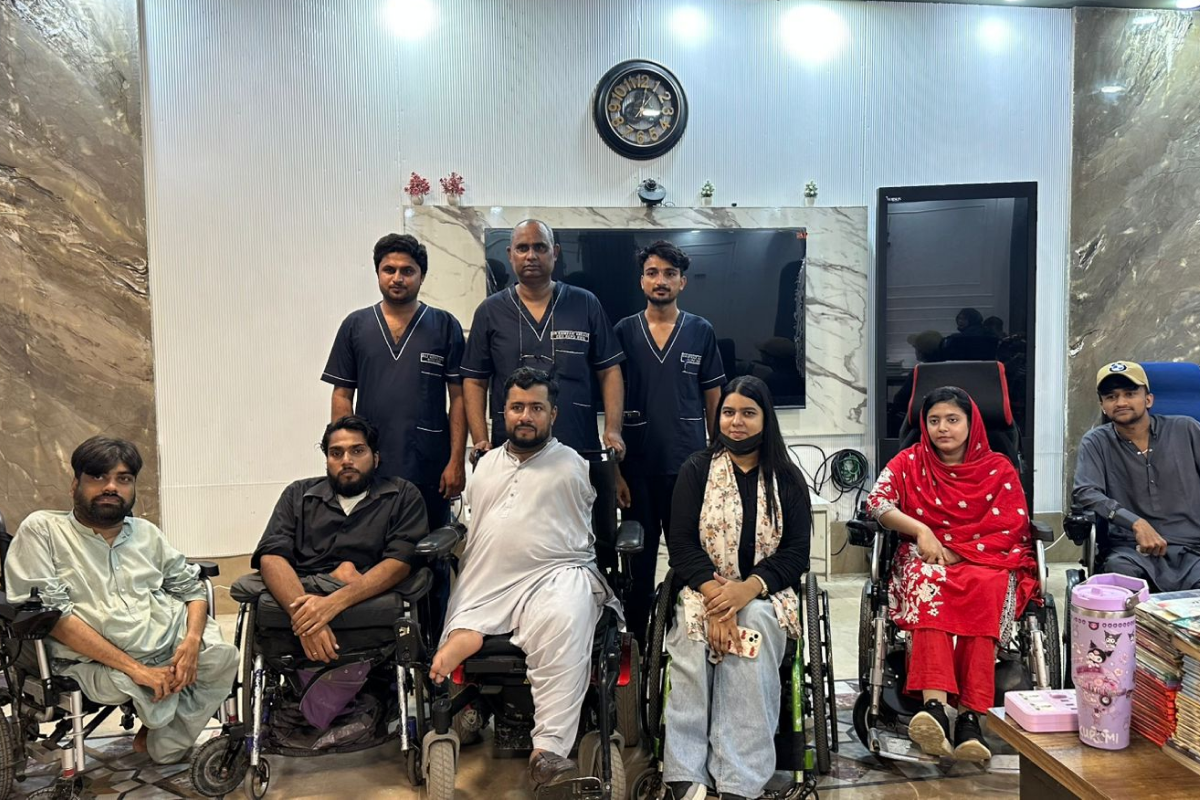
PWD Empowerment: Building Skills, Confidence, and Community Connection

Empowerment is not a gift; it is cultivated through opportunity, skill development, and meaningful participation. For persons with disabilities, PWD empowerment is about being recognized as capable decision-makers, able to shape their own lives while participating fully in family, work, and community.

Independent Living (IL) Centres play a vital role in turning this principle into reality. They provide training, support, and advocacy that strengthens both practical ability and self-confidence. Through structured programs and personalized assistance, individuals learn to navigate daily life with dignity and control.

Understanding PWD Empowerment

At its core, PWD empowerment means giving individuals authority over their own choices, routines, and aspirations. It is more than providing services; it is about creating conditions where persons with disabilities are active participants rather than passive recipients.

Empowerment fosters independence, self-respect, and social inclusion. When individuals feel capable, they are more willing to engage in education, employment, and civic life. This shift has ripple effects, benefiting families, communities, and society at large.

The Role of Independent Living Centres

IL Centres act as hubs for skill-building, guidance, and advocacy. They focus on equipping individuals with the knowledge and support needed to manage daily tasks, access services, and advocate for themselves.

Key contributions of IL Centres include:

  • Offering structured training programs on personal care, mobility, and communication
  • Providing professional assistance that supports autonomy
  • Facilitating connections with community services and peer networks

By centering the individual in planning and service delivery, IL Centres translate the philosophy of PWD empowerment into measurable outcomes.

IL Centre Outreach: Reaching Underserved Communities

Not all persons with disabilities have equal access to services. IL centre outreach programs aim to bridge this gap by bringing resources to underserved or remote areas. Outreach initiatives ensure that training, guidance, and assistance reach those who might otherwise be excluded.

Activities often include:

  • Mobile training units and visits to villages
  • Awareness campaigns about rights and available services
  • Coordination with local organizations and community leaders

Through IL centre outreach, support extends beyond the physical walls of the centre, ensuring that empowerment is accessible to all.

Awareness Sessions and Home-Based Support

Empowerment is reinforced through education. Awareness sessions inform individuals and families about disability rights, daily living skills, and practical strategies for inclusion. These sessions complement hands-on training and create an informed community that values participation.

Home-based support is another critical component. By providing guidance in familiar environments, individuals can apply skills directly to their daily routines. IL centre outreach ensures that home visits are conducted respectfully, addressing both personal and environmental needs.

Impact on Participation and Inclusion

Empowered individuals are more likely to engage in social, educational, and economic activities. PWD empowerment increases confidence, allowing people to contribute meaningfully to family decision-making, workplace productivity, and community initiatives.

Inclusion grows when individuals demonstrate capability. Families, peers, and local communities begin to adjust expectations and recognize abilities rather than limitations. This shift is central to creating a culture of respect and opportunity.

Long-Term Outcomes of Empowerment

The long-term impact of PWD empowerment extends beyond immediate skills. Individuals develop sustained independence, better problem-solving abilities, and a sense of purpose. Over time, these outcomes foster self-reliance and reduce dependence on reactive or crisis-based support.

IL Centres, through both in-center programs and IL Centre outreach, create the structures that allow empowerment to be consistent and ongoing. The result is a generation of persons with disabilities who are confident, capable, and integrated into society as equal contributors.

Building a Future Rooted in Dignity

Empowerment is a continuous process that requires access, opportunity, and support. By combining skill development, awareness, home-based assistance, and community engagement, PWD empowerment becomes tangible and transformative.

Through thoughtful programs, professional guidance, and targeted IL centre outreach, Pakistan Independent Living Centre (PILC) works to ensure that persons with disabilities are not only supported but also fully equipped to lead lives of dignity, choice, and inclusion.

When individuals are empowered, families are strengthened, communities become inclusive, and society benefits as a whole. True empowerment transforms not only the person but also the environment in which they live.
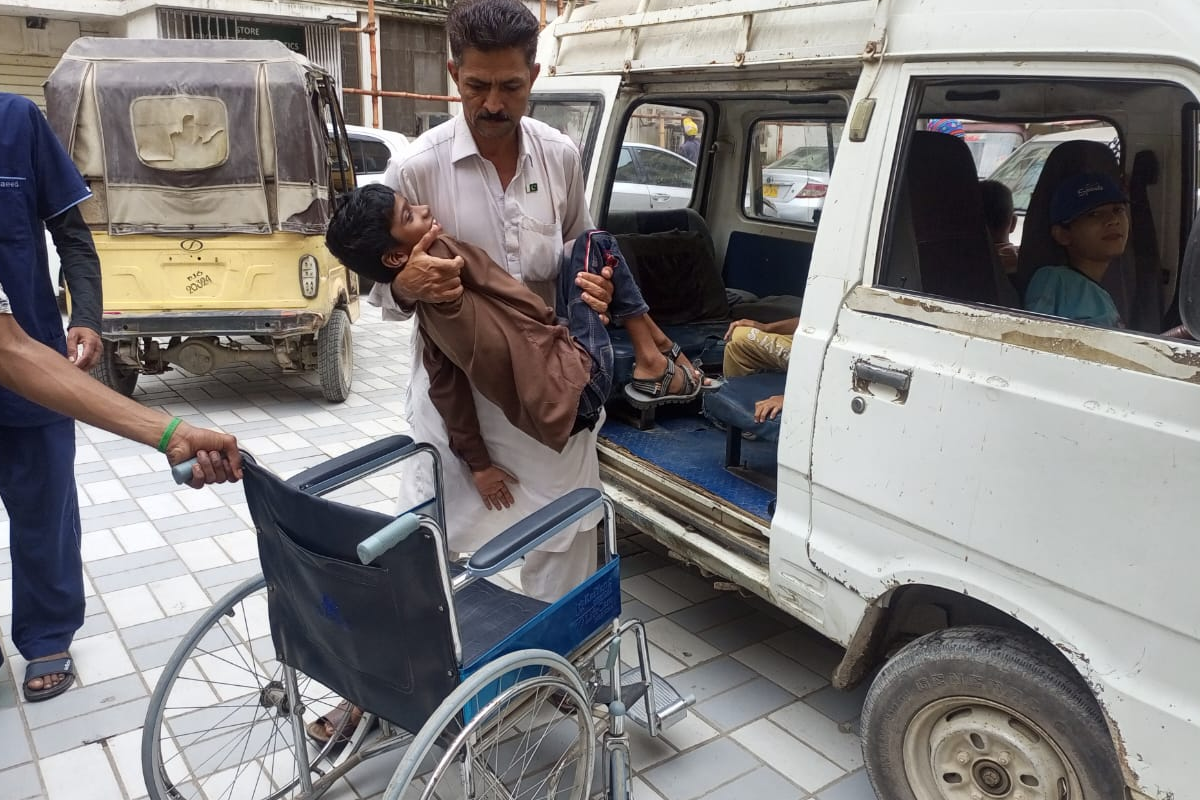
Physiotherapy for Disabled Persons

Introduction

People with disabilities frequently face everyday difficulties due to physical constraints, which impact their comfort, mobility, and ability to engage in regular activities. However, these difficulties do not indicate incapacity. Many people regain confidence and effective movement with regular instruction and planned rehabilitation.

Physiotherapy for disabled people is seen as a cornerstone of rehabilitation rather than a short-term solution at Pakistan Independent Living Center. Physiotherapy increases physical strength, lessens discomfort, and enhances coordination, enabling people to participate more fully in their personal, familial, and communal lives. Physiotherapy becomes a means of achieving independence and dignity when combined with programs that emphasize inclusiveness and emotional support.

Importance of Physiotherapy

For those with disabilities, physiotherapy is essential to enhancing their quality of life. It tackles physical obstacles that restrict endurance, balance, posture, and mobility. Even little physical changes can lead to increased comfort and independence for many people.

For those with disabilities, regular physical therapy helps manage joint discomfort, ease muscle stiffness, and avoid secondary issues brought on by restricted movement. Additionally, it aids in the healing process following illness, surgery, or injuries that may have impaired physical function.

Physiotherapy enhances mental resilience in addition to physical results. Confidence increases when people have more control over their body. This self-assurance supports more general inclusion objectives by promoting involvement in social, professional, and educational endeavors.

Restoring Functional Movement

The primary goal of physiotherapy is to improve function. Instead of focusing just on exercises, therapists assess a person’s movement during daily activities such as standing, walking, sitting, and transferring.

Programs for physiotherapy for the disabled have a strong emphasis on useful outcomes for individuals with disabilities. These could include decreased need for assistance, better posture when working or studying, or safer movement at home.

When their functional movement improves, people become more self-sufficient in managing everyday tasks and experience less weariness. This independence has a direct effect on social interaction and self-esteem.

Physiotherapy Service Types

Depending on the kind and severity of disability, different physiotherapy services are provided. Every program is created with each person’s needs, objectives, and physical capabilities in mind.

Physiotherapy for the Musculoskeletal System

This kind concentrates on posture, joints, and muscles. It helps people who have limited joint movement, discomfort, or stiffness. Strength and flexibility can be increased with exercises and manual methods.

Physiotherapy for the nervous system

Specialized methods that target balance, coordination, and motor control are beneficial for those with nervous system disorders. These programs assist people in changing their movement patterns so they can resume their regular activities.

Physiotherapy for Children

Early intervention is necessary for children with developmental impairments. Children can engage in play and school more comfortably thanks to pediatric physical therapy, which promotes motor development, posture, and coordination.

Physiotherapy in the Community

Physiotherapy for people with disabilities in community settings emphasizes real-world mobility. Instead of focusing solely on clinical improvement, this strategy promotes independence at work, school, or home.

Empowerment Through Rehabilitation

Physical results are not the only goal of rehabilitation. By giving PWDs back control over their own mobility and decision-making, it significantly contributes to their PWD empowerment.

People become participants in their own treatment when they are aware of their bodies and actively engage in therapy. Participation fosters confidence, drive, and trust.

By lowering dependency, physiotherapy for people with disabilities also promotes PWD empowerment. People become less dependent on others for everyday chores as their strength and coordination improve. Both how they see themselves and how others see them are altered by this change.

Education and jobs are two areas where rehabilitation empowers people. Increased physical capacity enables people to engage in community activities, work comfortably, and attend classes on a regular basis without experiencing ongoing physical strain.

Psychological and Social Impact

Emotional health is frequently impacted by physical discomfort. Frustration and disengagement may result from persistent pain, exhaustion, or limited mobility. By enhancing bodily comfort and reestablishing hope, physiotherapy tackles these issues.

People interact more confidently with friends, family, and coworkers as their mobility improves. Effective management of physical limits facilitates social connection.

Physiotherapy PWD empowerment people with disabilities to speak out for their needs, communicate honestly, and engage more confidently in communal life.

Role of Families and Caregivers

Families are crucial to rehabilitation. Progress is more reliable when caregivers are aware of the objectives and methods of physical therapy.

Physiotherapists frequently advise families on daily exercises, posture support, and safe mobility. This advice guarantees continuity outside of therapy sessions and improves long-term results.

Families are viewed as collaborators in the rehabilitation process at Pakistan Independent Living Center, guaranteeing the continued viability and practicality of physiotherapy for people with disabilities.

Long-Term Benefits

Physiotherapy has advantages that go far beyond short-term physical gains. Over time, people who practice consistently report increased endurance, decreased pain, and greater balance.

For people with disabilities, long-term physical treatment promotes aging with dignity. People lower their chance of developing secondary health problems later in life by keeping their joint mobility and muscular strength.

Additionally, ongoing engagement in employment, education, and social activities is supported by sustained rehabilitation. People continue to be active members of their communities when their physical health is properly managed.

Building Independence Through Consistency

In physiotherapy, consistency is essential. Daily workouts and regular sessions result in slow but significant improvement. Even though it could take some time to see benefits, consistent work leads in long-lasting transformation.

The Pakistan Independent Living Center’s physiotherapy programs prioritize attainable objectives over rapid outcomes. This strategy encourages long-term dedication and motivation.

People gain more control over their bodies and decisions through regular rehabilitation, enhancing their general independence.

Conclusion

Physiotherapy for disabled persons is a vital component of rehabilitation that supports movement, confidence, and inclusion. It addresses physical challenges while contributing to emotional strength and social participation.

Through structured rehabilitation and PWD empowerment, individuals gain greater control over daily life and long-term goals. Pakistan Independent Living Centre, physiotherapy is part of a broader commitment to dignity, access, and meaningful participation.

When physical support is combined with understanding and opportunity, rehabilitation becomes a pathway toward independence rather than limitation.